








A massive rock layer unlike anything else found on the planet has been discovered beneath the island of Bermuda, and scientists have been left bemused.
The layer measures 12.4 miles thick and sits just below the oceanic crust.
Dr William Frazer, a seismologist at Carnegie Science in Washington DC, and Yale University Professor Jeffrey Park made the discovery by analysing seismic waves from distant earthquakes recorded at a station on Bermuda.
By tracking how these waves changed as they passed through rock, up to 31 miles beneath the island, the pair identified this new layer, one that's roughly twice as thick as anything seen under other islands.
TRENDING
Stories
Videos
Your Say
Bermuda sits on what's called an oceanic swell, where the ocean floor rises higher than its surroundings.
Normally, these swells form because of volcanic activity, for example in Hawaii where hot material from deep in the Earth pushes up through the crust, creating islands and lifting the seabed.
But when tectonic plates drift away from these volcanic hotspots, the swelling usually settles back down over time.
That doesn't seem to be the case in Bermuda, though. The island hasn't seen a volcanic eruption for 31 million years, yet its swell is yet to die down.
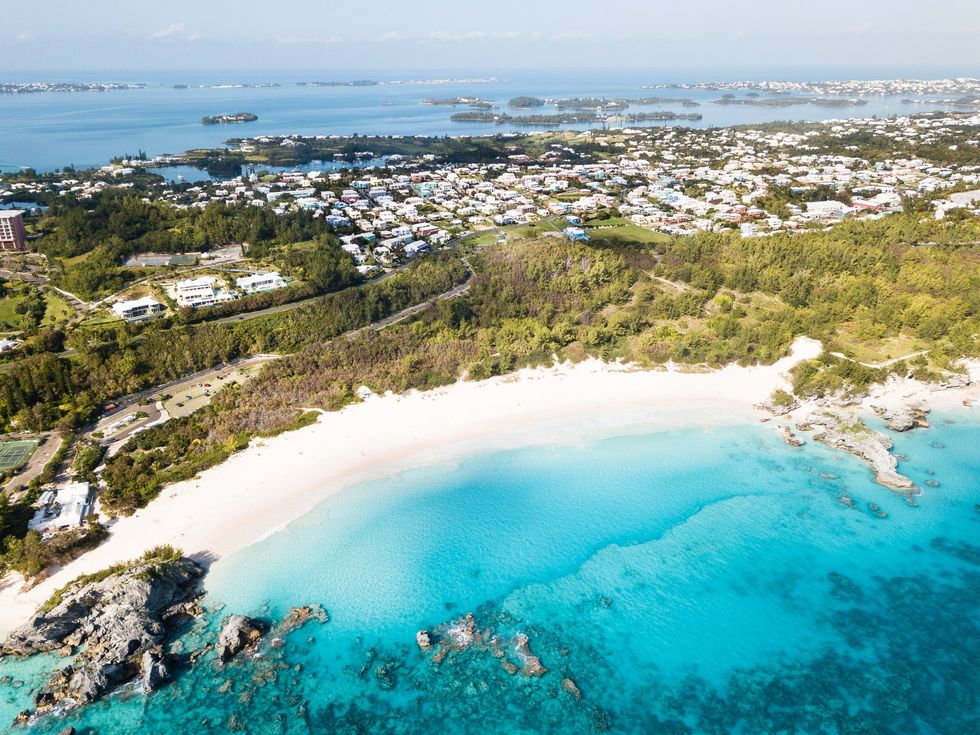
Scientists have stumbled upon something rather extraordinary lurking beneath Bermuda – a massive rock layer unlike anything else found on the planet, and scientists have been left bemused
|GETTY
There's no sign of the mantle plume typically expected beneath a volcanic island, and no evidence of any ongoing activity that could explain why it's still sitting so high above the surrounding ocean floor.
The newly discovered layer appears to be around 1.5 per cent less dense than the surrounding upper mantle rock, which is key because it essentially floats within the mantle and pushes upward on the crust above.
"Typically, you have the bottom of the oceanic crust and then it would be expected to be the mantle," Frazer explained. "But in Bermuda, there is this other layer that is emplaced beneath the crust, within the tectonic plate that Bermuda sits on."
LATEST DEVELOPMENTS
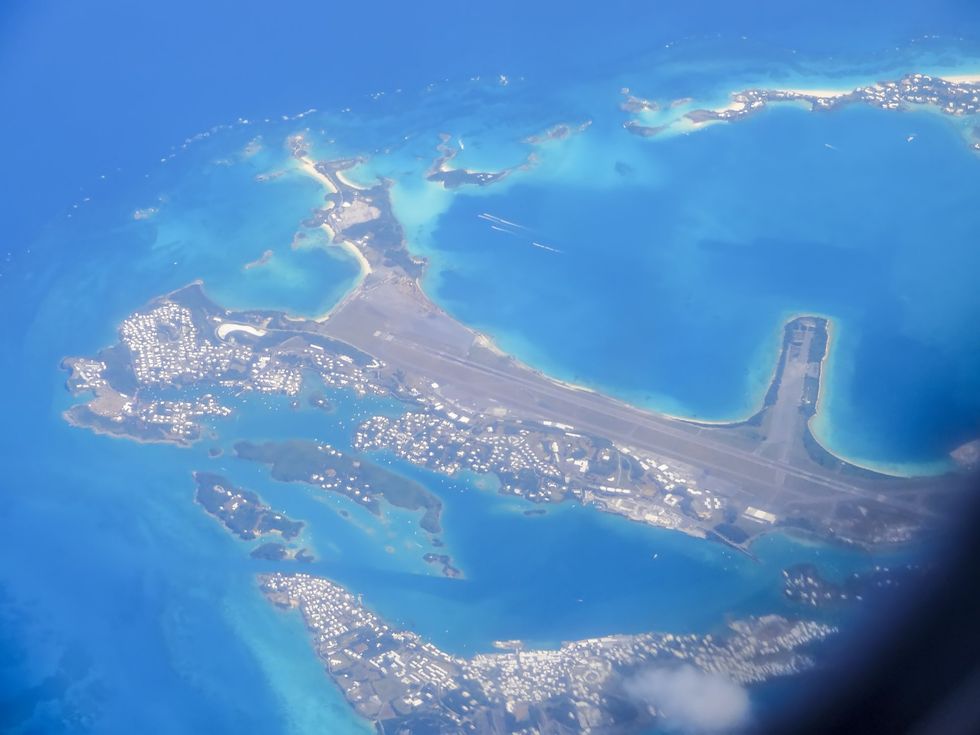
The swells around the island typically occur due to volcanic activity, but there hasn't been an eruption in the area for 31 million years
|GETTY
The researchers believe the final volcanic eruption 31 million years ago may have injected molten rock into the crust, where it froze in place. This frozen material now raises the ocean floor by roughly 500 metres.
Sarah Mazza, a geologist at Smith College who wasn't involved in the study, has been researching Bermuda's volcanic past.
The island's ancient lavas are unusually low in silica, suggesting they originated from carbon-rich rock deep in the mantle.
"There is still this material that is left over from the days of active volcanism under Bermuda that is helping to potentially hold it up as this area of high relief in the Atlantic Ocean," she told Live Science.
Ms Mazza reckons this carbon was pushed deep into the Earth when the supercontinent Pangea formed between 900 million and 300 million years ago.
"The fact that we are in an area that was previously the heart of the last supercontinent is, I think, part of the story of why this is unique," she said.
Our Standards: The GB News Editorial Charter