






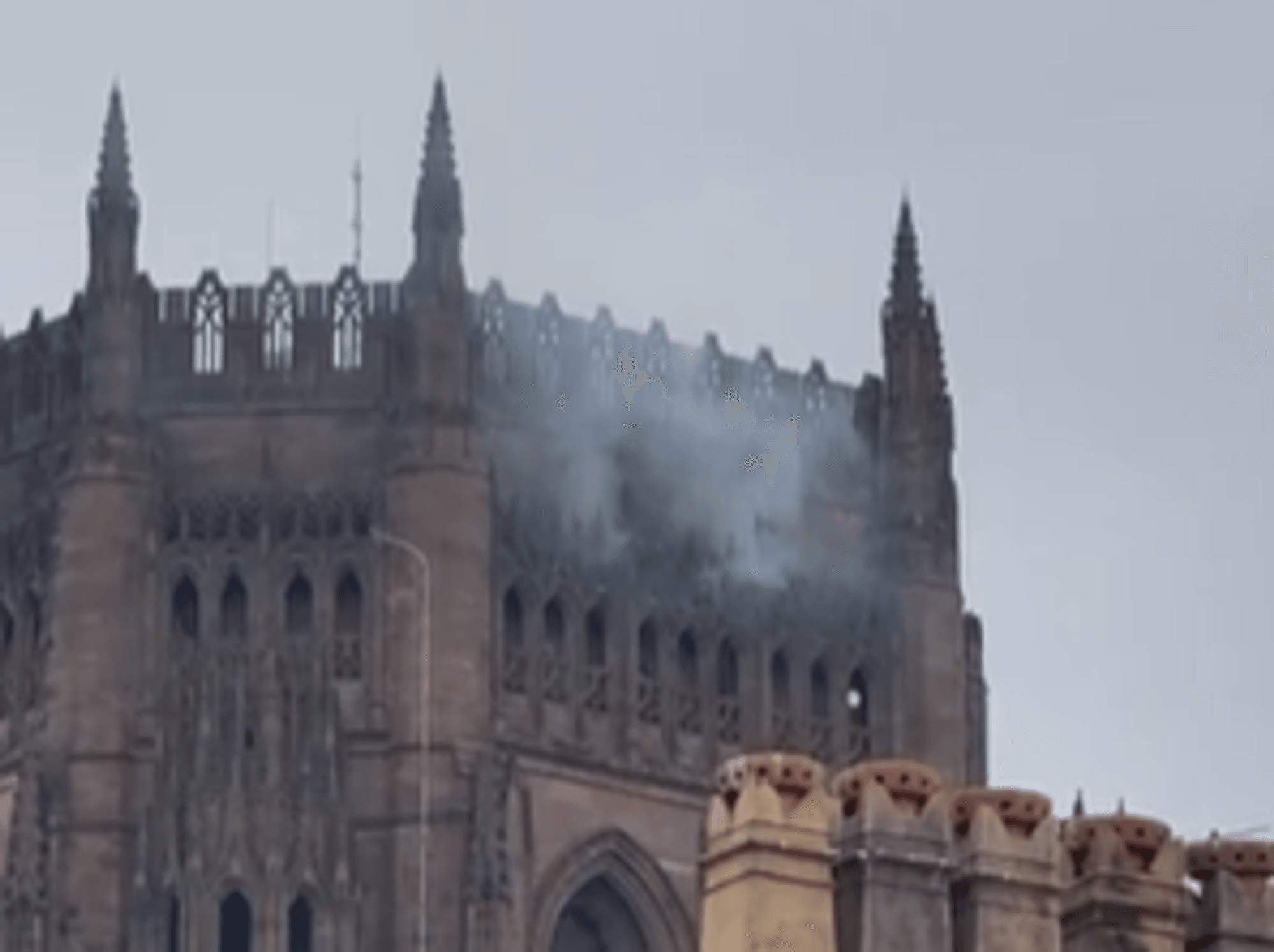



Archaeologists in Mexico have unearthed an extraordinary 1,400-year-old skull with a distinctive cube-like shape, a find that researchers describe as unprecedented.
The remains, belonging to a male aged over 40, were recovered from the Balcón de Montezuma archaeological site situated in the mountainous northern Huasteca area of Tamaulipas state.
According to experts from Mexico's National Institute of Anthropology and History (INAH), the individual lived during the Classic period, spanning approximately 400 to 900 AD.
Never before has a skull deliberately shaped into this boxy form been discovered anywhere near the Huasteca region, making this find particularly significant for researchers studying ancient Mesoamerican cultures.
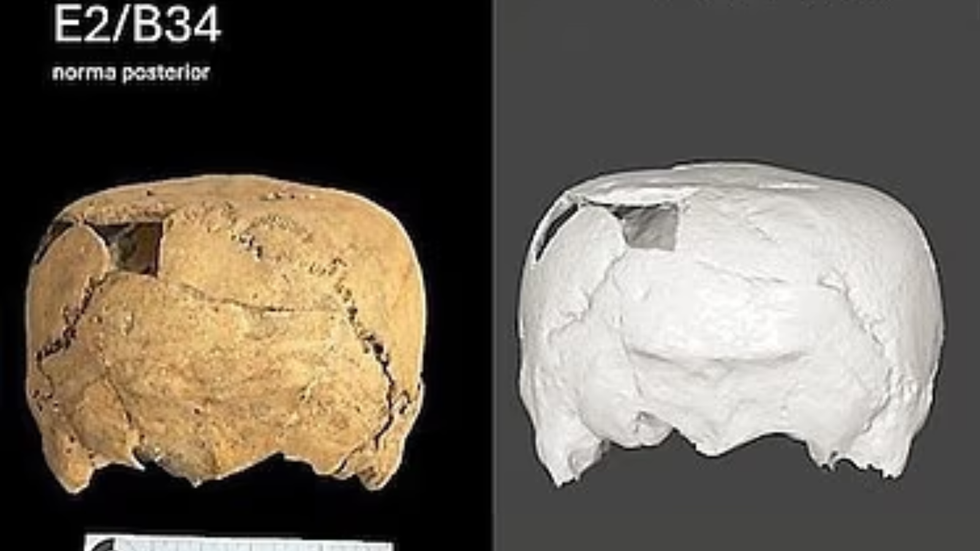
Archaeologists in Mexico have unearthed an extraordinary 1,400-year-old skull with a distinctive cube-like shape
|INAH
The skull's unusual square appearance resulted from deliberate cranial modification, an ancient practice involving the application of flat boards and bandages to an infant's pliable head over several years.
Because a baby's skull bones remain soft and malleable, this reshaping could be achieved gradually without inflicting pain, becoming a family tradition passed down through generations.
Throughout ancient Mesoamerican societies, such modifications served various purposes depending on the civilisation performing them.
Experts believe these rituals typically signified concepts of beauty, elevated social standing, or connections to the spiritual realm.
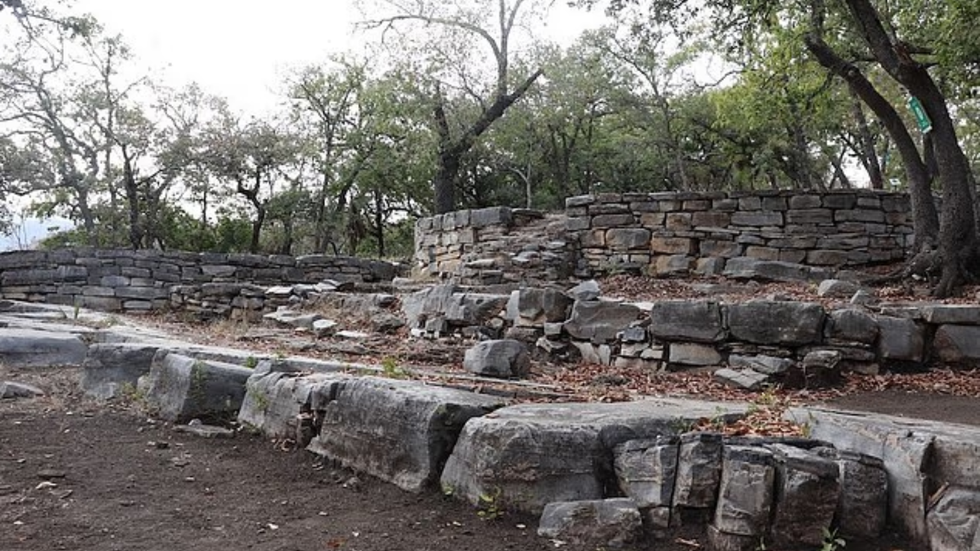
The remains were recovered from the Balcón de Montezuma archaeological site situated in northern Huasteca
|INAH
The Olmec and Maya peoples commonly produced elongated, cone-shaped skulls through similar binding techniques using cloth and bandages during infancy.
To determine whether this individual had migrated from regions where cube-shaped skulls were more common, scientists examined stable oxygen isotopes preserved in his bones and teeth.
These isotopic signatures, derived from water consumed throughout a person's lifetime, act as geographical fingerprints.
Analysis of tooth enamel, which forms during childhood, and bone collagen, which regenerates throughout adulthood, revealed identical patterns consistent with local mountain water sources.
ARCHAEOLOGY - READ THE LATEST:
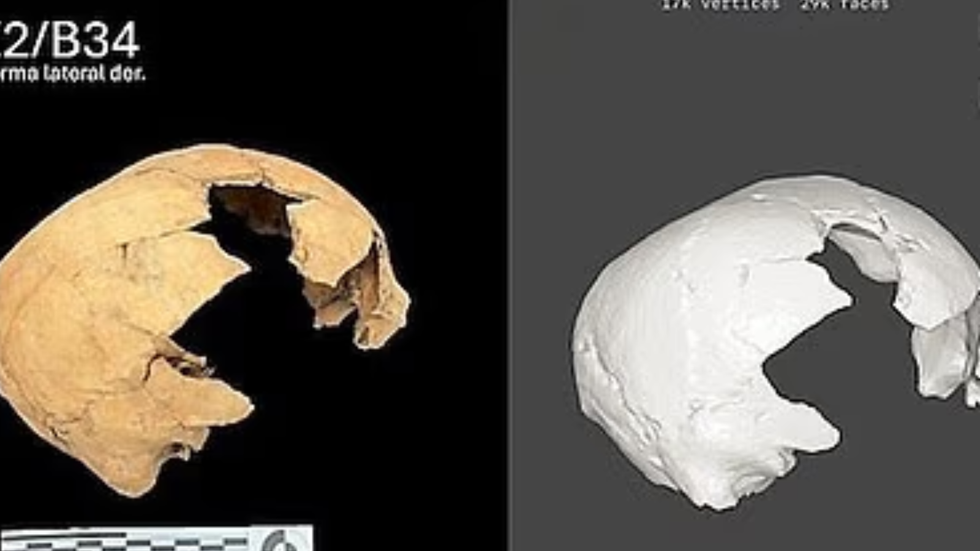
Skulls featuring flattened tops and boxy profiles have previously been discovered only at distant locations
|INAH
Physical anthropologist Jesús Ernesto Velasco González stated: "Stable oxygen isotope studies in collagen and bioapatite samples from bone and teeth, a technique used to infer the geographic origin of the second individual's skeletal remains, indicate that he was born, lived, and died in this part of the mountains."
Mr González added: "Therefore, the results rule out a direct mobility relationship with the groups of El Zapotal or those further south."
This finding deepens the puzzle, as cube-shaped skulls featuring flattened tops and boxy profiles have previously been discovered only at distant locations such as El Zapotal in Veracruz and various Maya settlements in southeastern Mexico, hundreds of miles from these northern mountains.
The INAH team remains unable to explain why this solitary individual underwent a procedure entirely foreign to Tamaulipas.
However, researchers suggest the modification may have represented membership in a broader cultural network extending along vast stretches of the Mexican coastline.
The ancient Maya used body modification as a sacred practice, including piercings, tattoos, and cranial shaping.
These alterations were seen as offerings to the gods and a way to mark status, bravery or spiritual transformation.
Through these rituals, the Maya hoped to connect their physical bodies to divine power and the cycles of life and death.
Our Standards: The GB News Editorial Charter