







Children buried in a 2,500-year-old grave site in Italy have been discovered wearing oversized belts typically reserved for adult male warriors.
Archaeologists uncovered 34 burials in the town of Pontecagnano Faiano, including 15 skeletons of children believed to be between the ages of two and 10.
Two of the graves have drawn particular attention after researchers found large bronze belts placed over the children.
According to a translated statement from the Superintendency of Archaeology, Fine Arts and Landscape of Salerno and Avellino, such belts were usually exclusive to adult male burials among the pre-Roman Samnite people.
TRENDING
Stories
Videos
Your Say
The Samnites lived in the mountainous central Apennines and were a major rival of the early Roman Republic.
The two powers fought a series of wars between 343 BC and 290 BC.
It remains unclear why the children were buried with adult belts, but several theories have been put forward.
One suggestion is the belts symbolised the men the boys might have become.
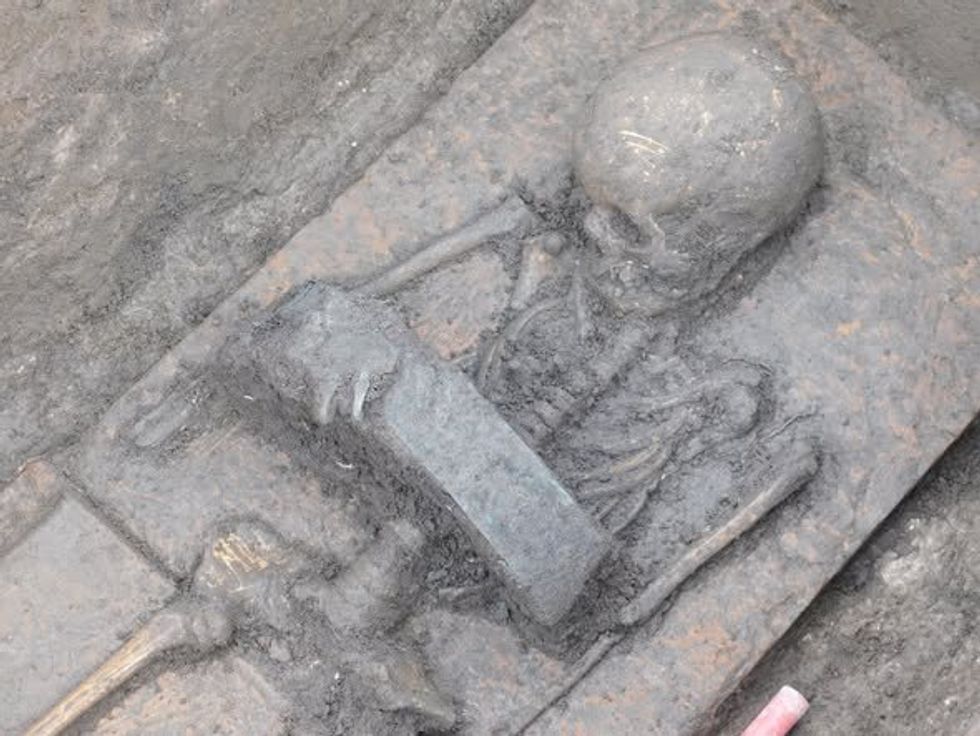
Skeleton of a child seen wearing a large bronze belt, traditionally buried on adult warrior men
|FACEBOOK/SUPERINTENDENCY OF ARCHAEOLOGY
Others believe they may indicate the children came from high-status warrior families.
Elsewhere in the site, burials included banquet tools and containers for ointments - objects typically associated with Samnite culture.
Some graves also contained weapons or jewellery, thought to reflect gender.
Lead archaeologist Gina Tomay told Italian media the discovery was a "find of great significance".
LATEST ARCHAEOLGY NEWS:
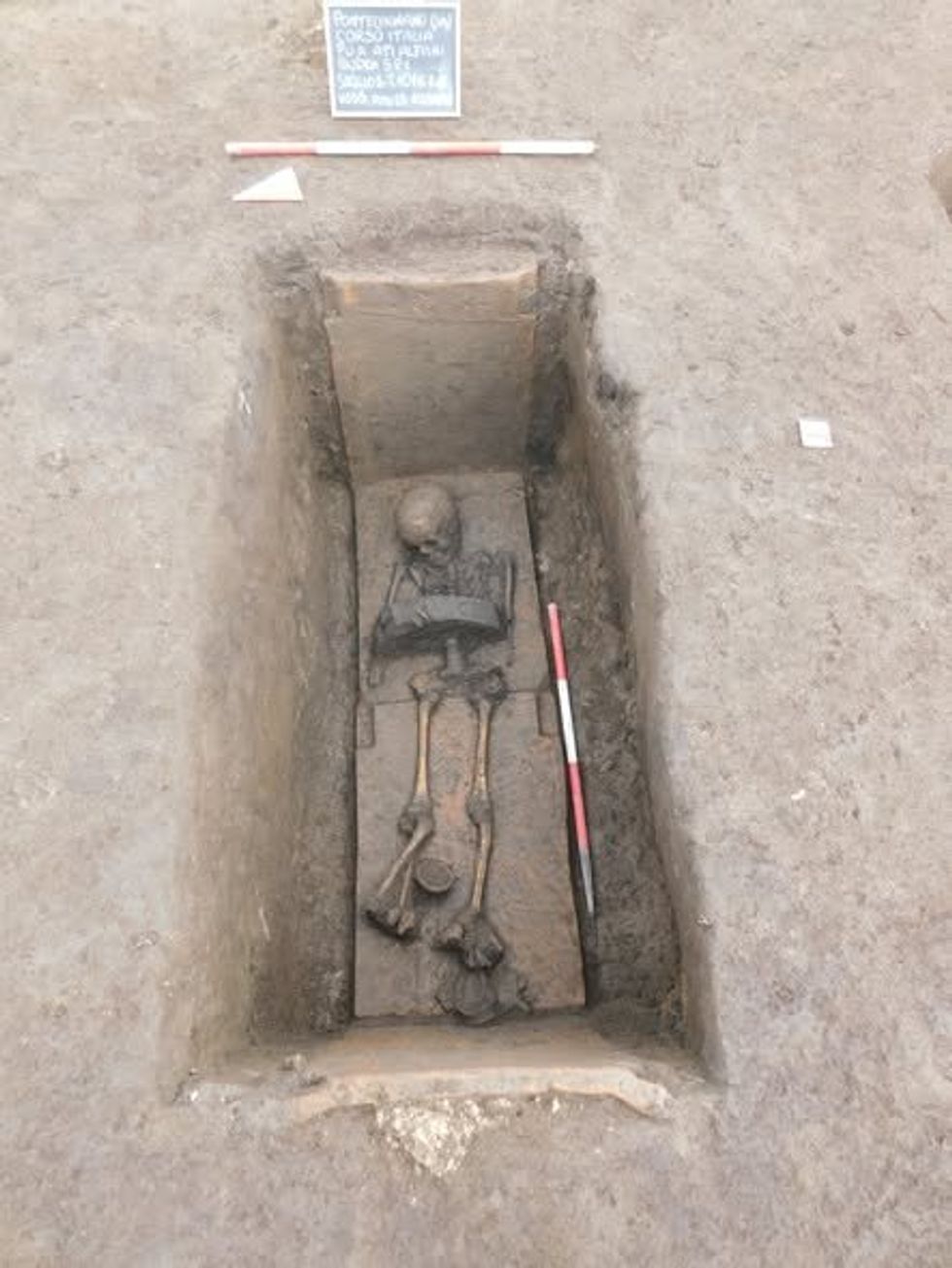
A full view of the child's burial
|FACEBOOK/SUPERINTENDENCY OF ARCHAEOLOGY
She said one of the boys lived in the fourth century BC and was buried with ceramic cups to ensure he had food and wine in the afterlife.
The graves were uncovered on land that once housed a tobacco shop.
Excavations are ongoing across Pontecagnano as part of wider public and private construction projects.
Officials say the full findings will be revealed once research is complete.
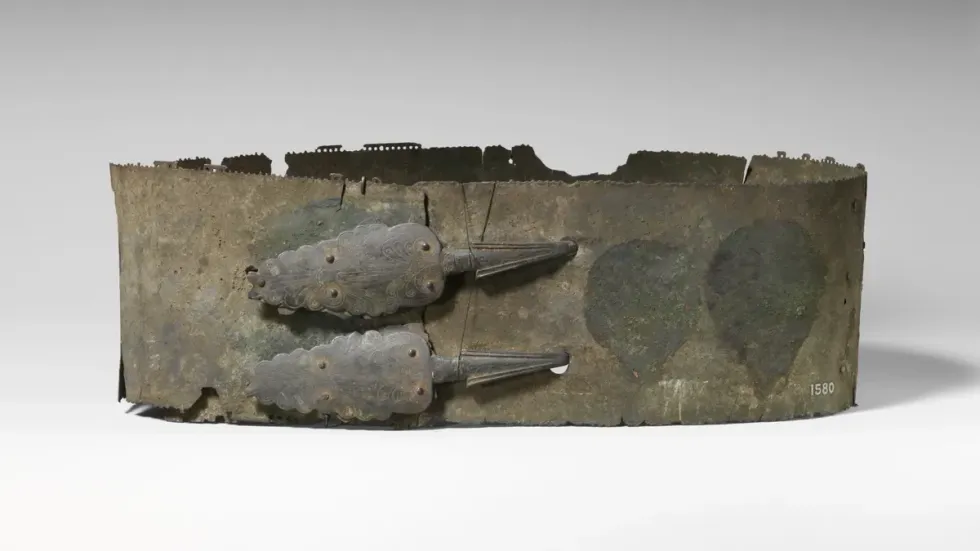
Example of a bronze Samnite belt with clasps
|THE MET/PUBLIC DOMAIN
The superintendency added it aims to return the artefacts for public use within the community.
The Samnites later fought alongside and against the Romans in conflicts including the Pyrrhic and Second Punic Wars, despite being significantly weakened.
Their economy was largely based on livestock and agriculture, which was considered advanced for its time.
Our Standards: The GB News Editorial Charter