









A rise in state pension payments could unintentionally push more retirees into paying inheritance tax, experts have warned.
While the increase boosts weekly income, frozen tax thresholds mean more pensioners may end up with larger estates that fall above the inheritance tax limit over time.
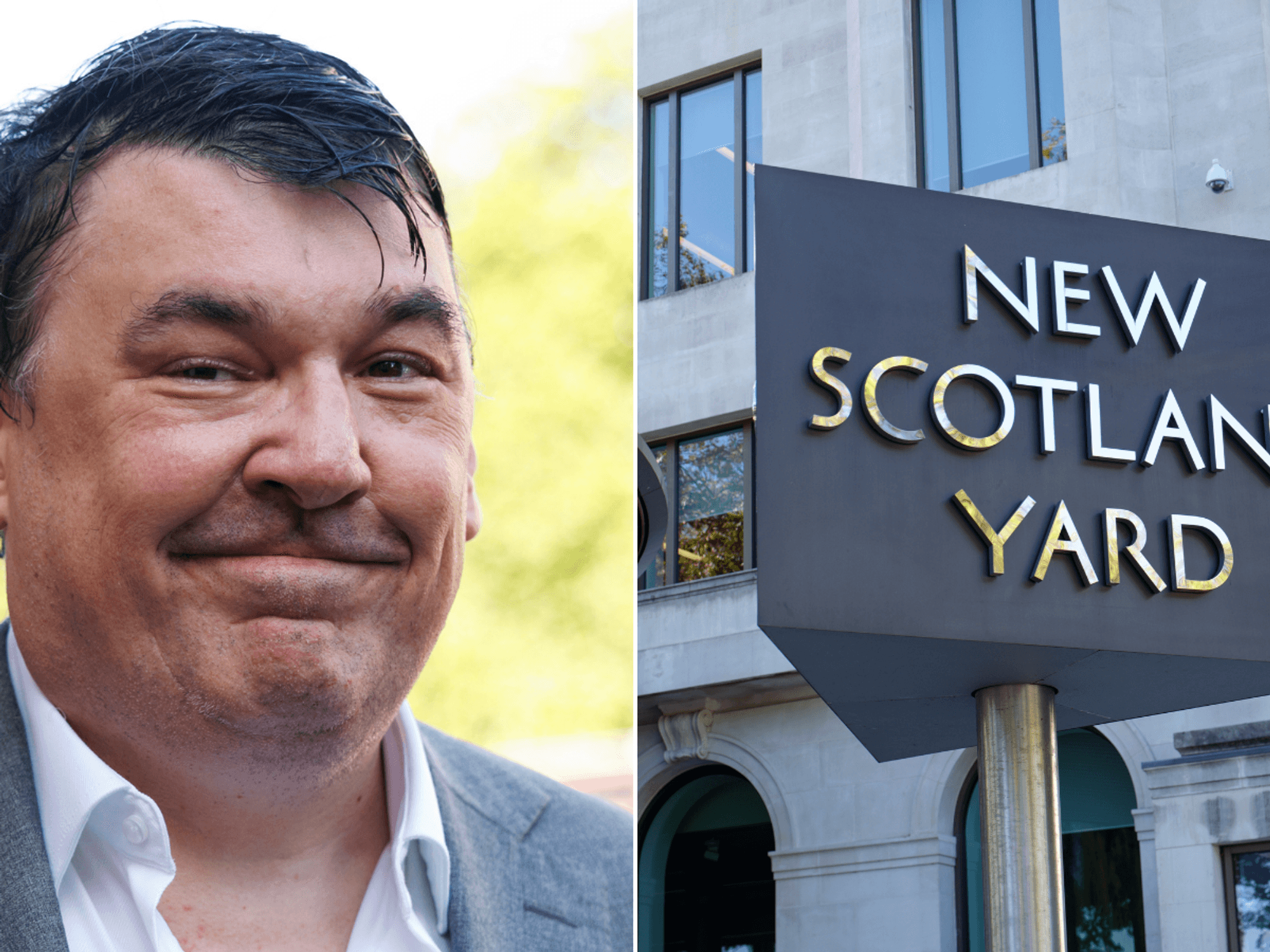
George Williamson, Estate Planning expert at Level Group, explained: "The state pension rise announced in the 2025 Autumn Budget doesn't add to your estate itself, as payment stops when you die, but it does highlight a fiscal drag problem and have an indirect impact on Inheritance Tax (IHT), as more people are dragged into higher tax bands and thus have a higher estate value."
With both income tax and inheritance tax thresholds remaining frozen until 2030, pensioners receiving higher payments will increasingly find themselves liable for income tax.
Those who save rather than spend this additional income risk growing their estates beyond the £325,000 IHT threshold, potentially reducing what beneficiaries ultimately receive.
The situation becomes more pressing with significant rule changes on the horizon. From April 2027, pensions will become subject to inheritance tax for the first time, marking one of four major IHT alterations expected between 2025 and 2030.
These reforms mean a growing number of estates will exceed the taxable threshold when their owners die.
The stakes are considerable for millions of families across the country.

These reforms mean a growing number of estates will exceed the taxable threshold when their owners die
| GETTYResearch from the UK inheritance expectations report reveals that approximately 18.4 million adults—roughly one in three—rely financially on receiving an inheritance to some degree.
Perhaps most concerning, 27 per cent of those individuals, equivalent to around five million people, indicate they would fall into debt without their expected inheritance.
LATEST DEVELOPMENTS:
- 'HMRC does not mess about': Thousands file tax returns on Christmas Day to avoid £100 fine
- Inheritance tax threshold to rise for farmers after Rachel Reeves caves to months of pressure
- Inheritance tax U-turn 'early Christmas present' for farmers but Labour accused of 'not going far enough'
Family disputes over estates are becoming increasingly common, with court-contested probate cases rising by 37 per cent over the past decade, according to Ministry of Justice figures comparing 2023 data with 2014.
The problem extends beyond the sheer volume of disagreements.

The state pension rise highlights a fiscal drag problem and has an indirect impact on Inheritance Tax
| GETTYMinistry of Justice statistics also show that cases lasting longer than twelve months have surged by 518 per cent between 2019 and 2024, indicating that resolution times are stretching considerably.
A Level Group study found that nearly four in ten people—38 per cent—would be prepared to challenge a will through legal action if their share fell short of expectations.
With millions depending on inherited funds for essential purposes such as mortgage clearance and debt repayment, inadequate estate planning is expected to fuel further increases in contested cases.
Proactive measures can help protect assets for loved ones and minimise the inheritance tax burden.
 Freezing the thresholds is effectively a way for the government to raise more money | GETTY
Strategies include directing funds to charitable causes, establishing trusts, or making gifts during one's lifetime, though professional advice is strongly recommended when exploring these options.
Mr Williamson emphasised the critical nature of taking action: "Estate planning matters and it is absolutely essential to not only ensure your wishes are honoured but that your loved ones are protected too."
He warned that postponing such decisions carries significant risks: "It is a topic that many put off and avoid, but delaying estate planning can come at a high cost and sometimes it can be too late, leading to probate, family disputes, confusion and assets being divided by law and not the wishes of those who pass."