





An Army veteran who spent years behind bars before becoming a renowned painter has revealed his service for his country “counted against him” in the justice system.
Kevin Devonport, 53, who discovered his passion for painting while undertaking a 13-year prison sentence for drug offences, was reflecting on his journey from the First Royal Tank Regiment to art galleries in Florence.
The former Chieftain tank gunner credited charities like Care After Combat for helping channel his interests after years of struggling with post-service life led him down a path of criminality.
Mr Devonport joined the armed forces at 17, serving in Germany, Canada and Northern Ireland during the Troubles before leaving at 21.
TRENDING
Stories
Videos
Your Say
He compared the “culture shock” and alienation of adjusting to civilian life was “very similar” to what he experienced upon leaving prison years later.
“You're leaving one world behind. It's a completely different value system, and then try to enter a new world,” he told GB News.
“The military, it's got its own culture and its own value systems. You find that people will really struggle when they move from one world to another.
“When you leave the service, you don't necessarily lose your identity, but you do need help rebuilding it.”
 Veteran turned award-winning artist says Army service ‘counted against’ him in court |
 CARE AFTER COMBAT
“It's not an event in itself. It's a process. It takes time to create a completely new identity and to settle into new surroundings. And it can be a struggle.
“If you don't build pathways from service into civilian life, we'll end up just paying for it later on through homelessness, addiction, mental health, or even suicide.”
It was in this limbo Mr Devonport fell into a pattern of substance abuse that then led to a life in crime.
While the veteran insists his choices and mistakes were his own, Care After Combat estimated the armed forces are the single highest occupation group represented behind bars.
LATEST DEVELOPMENTS
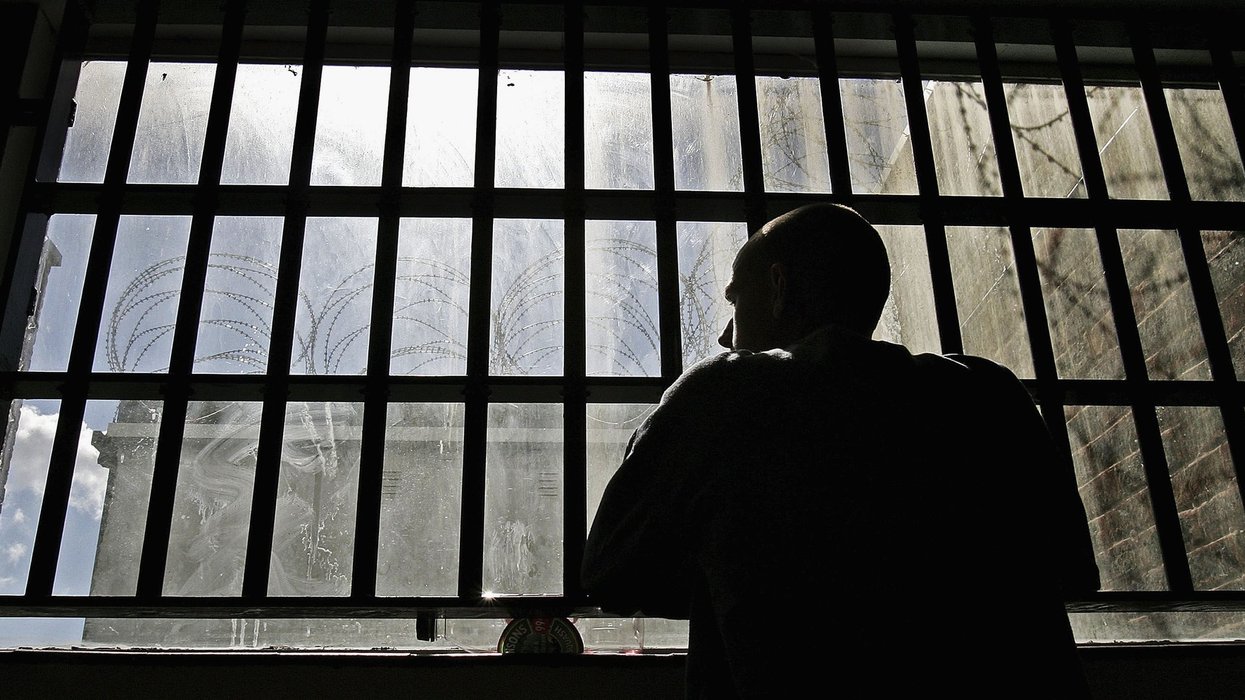
Care After Combat estimated the armed forces are the single highest occupation group represented behind bars
|GETTY
“All that time through the first prison sentences I'd served, then there was nothing, really, for veterans,” he explained.
The only time his service was mentioned, Mr Devonport believed it “counted against” him.
“Rather than a mitigating factor, people looked at it more as a fall from grace. A ‘you should have known better’ type of thing, rather than somebody that didn't know at all," he said.
“I’ve spoken to lots of veterans since in the justice system, on veterans groups with similar experiences, they always thought the veteran status went against them.
“I never used my veteran status again in court.”
In 2007, at age 35, Mr Devonport was caught selling heroin and sent to prison after serving three previous terms. While there, he enrolled at the Open University and obtained a first-class honours degree in sociology
It was also where he connected with Care After Combat’s veteran network through his passion for art.
“I first learned to paint in prison. Just fell in love with it, but it was just a hobby for me.”
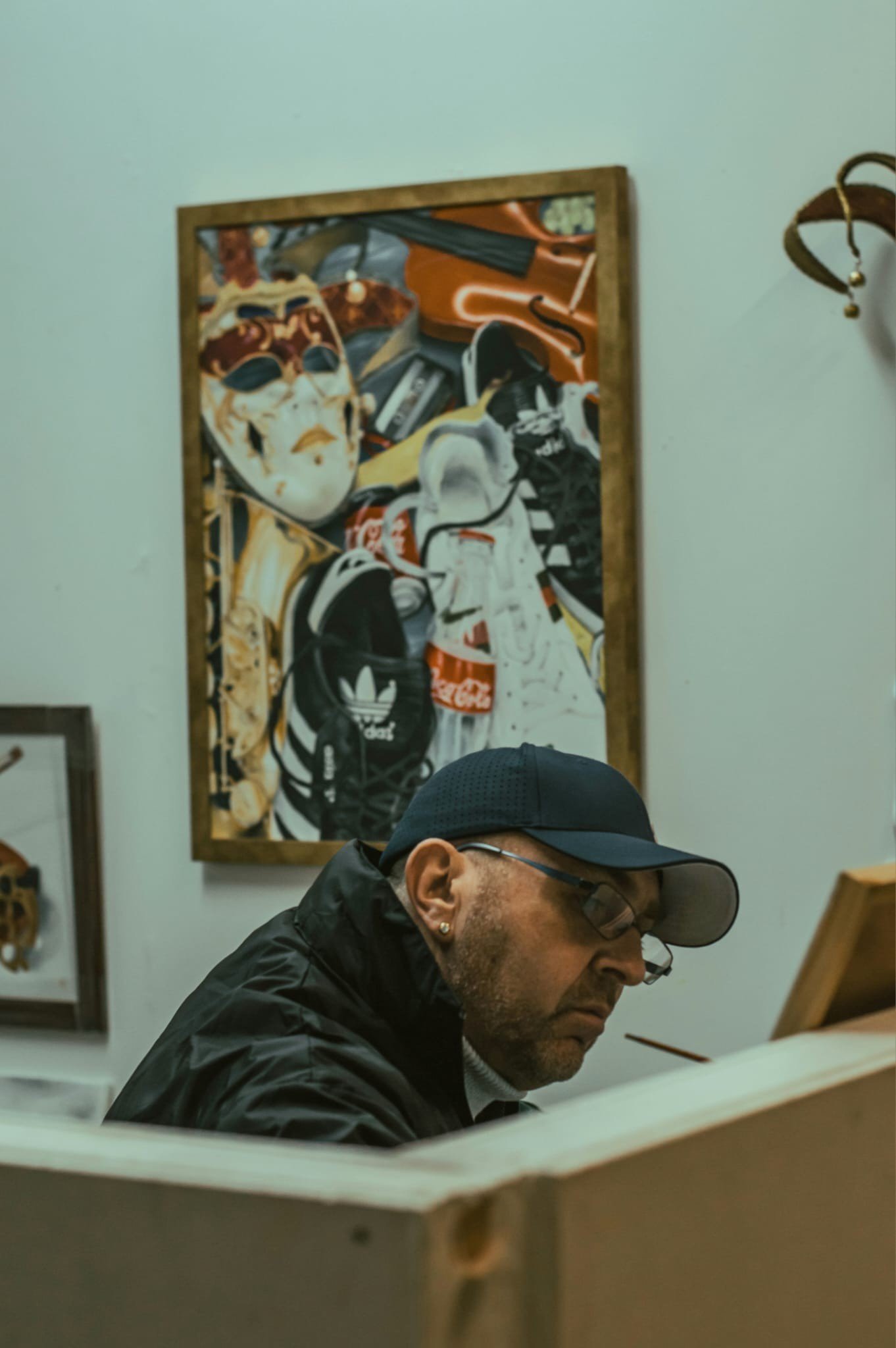
Kevin Devonport learned to paint in prison, and it quickly became a passion
|CARE AFTER COMBAT
Describing what drew him to his craft, Mr Devonport said: “It’s an outlet. A lot of it will be autobiographical. They'll have some meaning. Personally, I don't just paint something for the sake of it.”
“But I always credit a lot of the veterans network for how I progressed as an artist, though they never seem to take credit for it.
“It first came about during a forum when Care After Combat used to come into the prison. They asked me, ‘What do you do in prison all day?’ I spent all day painting.”
Upon seeing Mr Devonport’s work, the organisation was impressed and asked if he would be interested in selling the for charity, which the veteran said was an immense “confidence boost”.
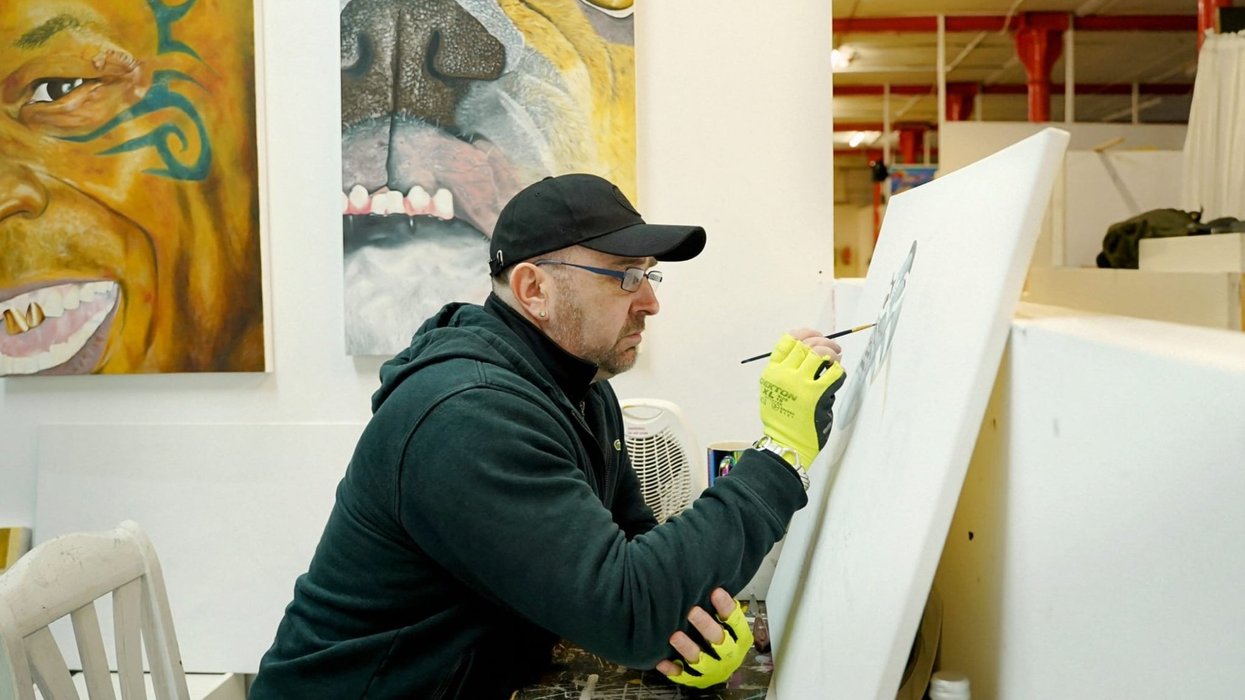
The veteran turned 'career criminal' is now an award-winning artist based in Leeds
|CARE AFTER COMBAT
“That's one of the things I think a lot of the justice system could learn from our support network. I had been quite lucky.“
Mr Devonport would then go on to win a Koestler award for arts in prison.
After leaving prison, he would exhibit his work at some of the most prestigious events.
He said: “I finished my prison license, that's when I won my first international award. The Leonardo da Vinci International Award in Florence. It was 10 days after my license finished."
Now, the veteran turned “career criminal” turned renowned artist operates from his studio in Leeds, where he continues to raise money through his work.
Mr Devonport stressed networks between former servicemen were the key to a successful life outside the armed forces and called on the Government to do more to support such groups.
“If somebody's been willing to make a sacrifice for the nation, the very least the nation can do is, when people have a difficult time, to be there to help them help themselves," he said.
“That's not charity, to me. That's responsibility.”
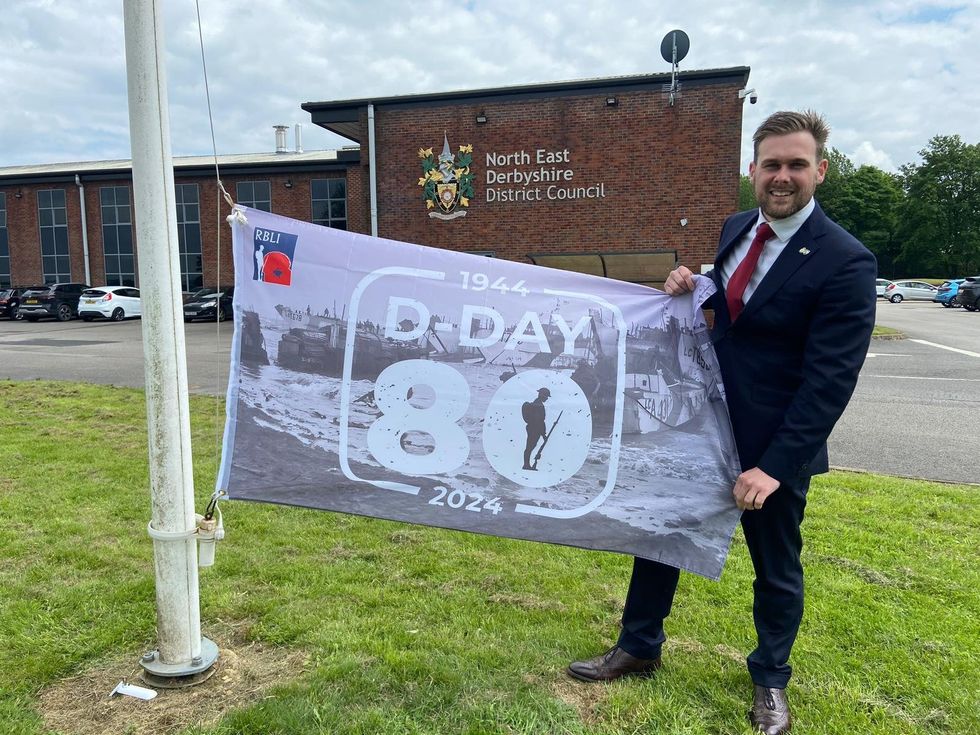
Fellow veteran Stuart Fawcett is campaigning to have veteran status recognised as a protected characteristic
|STUART FAWCETT
Reacting to Mr Devonport’s story, fellow veteran and Care After Combat supporter Stuart Fawcett said: “Stories like Kevin’s are an all too familiar occurrence when I hear the life stories of veterans with experience of the justice system.”
Around 4 per cent of prisoners and those under probation supervision in England and Wales are veterans, generally representing a lower overall crime rate than the general population.
In a bid to help those in their post-service life, Mr Fawcett is campaigning to have veteran status recognised as a protected characteristic within the Equality Act 2010.
“It would legally mandate intervention upon identification, which is actually widely available.
“It’s not just (in the justice system) but also in scenarios like access to mental health, social services and even social housing that this would prevent disadvantage for veterans by creating a legally binding mandate to monitor and act upon the aims and objectives of the Armed Forces Covenant.”
The former Royal Navy officer has launched a petition in an effort to convince the Government to consider the change.
Our Standards: The GB News Editorial Charter
More From GB News