

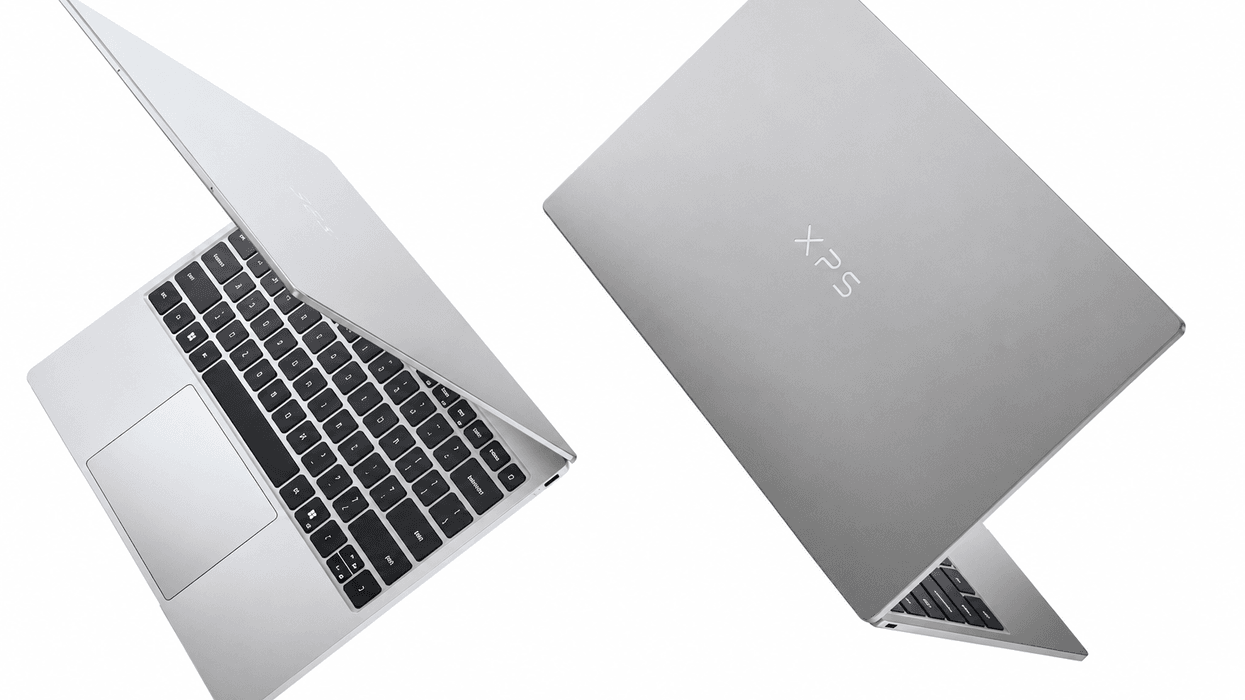








Dell is gunning for the MacBook Neo's crown with a budget-friendly XPS 13.
The XPS 13 is a premier laptop running Windows 11 with price tags that can go upwards of £2,000. It often competes with the likes of the MacBook Pro. But the latest addition to the lineup targets a very different Mac.
The new XPS 13 costs just £599 for students, while everyone else will pay £699.
Dell's COO Jeff Clarke said, "We didn't change a single feature when the Neo was launched. We stayed true to the XPS' identity... And I think we've achieved it with the $599 price point."
What makes this particularly appealing is that Dell's kept some of the premium touches you can find on more expensive models. You're getting a touchscreen display and a backlit keyboard – something the MacBook Neo doesn't offer.
But the upgrades don't end there. On paper, Dell has added a slew of other noteworthy features that aren't available on Apple's budget darling.

Dell's kept some of the premium touches you can find on more expensive models
|DELL PRESS OFFICE
For instance, the XPS 13 tips the scales at just 997 grams, making it noticeably lighter than the Neo's 1.2 kilograms. It may not seem like a major difference, but you'll likely feel it if you're lugging it around in your bag all day.
Dell's also squeezed in a slightly bigger screen at 13.4 inches compared to the Neo's 13-inch display.
In terms of connectivity, both devices have two USB-C ports built into the side of the chassis to refuel.
Under the bonnet, Dell's gone with Intel's new Wildcat Lake processors – specifically the Core 5 or Core 7 chips from the Series 3 range. These aren't the most powerful chips Intel makes, but they're designed to help keep costs down while still delivering decent performance for your everyday tasks.
Higher-end versions of the laptop with Intel Core Ultra processors are expected to arrive later this fall.
LATEST DEVELOPMENTS
Dell says you can get up to 17 hours of battery life, which is similar to the Neo's 16-hour runtime.
The display is genuinely impressive for this price bracket. You're looking at a 2.5K resolution touchscreen with a 120Hz variable refresh rate and 500 nits of brightness.
Memory options range from 8GB to 32GB of RAM, with storage starting at 256GB and going up to 1TB. However, if you opt for 1TB of storage, this will likely push the price well over £699. The entry-level model arrives with just 8GB of RAM, although this may not be enough after you consider how you'll use the device from day to day.
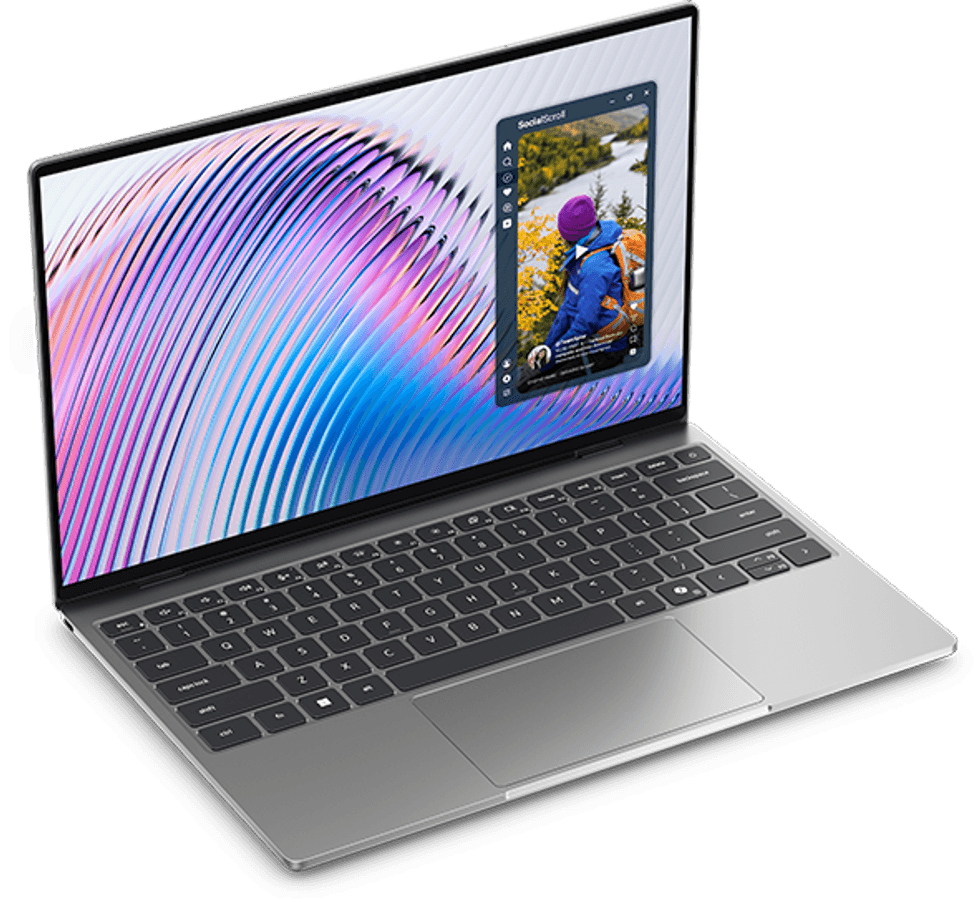
There's been a massive demand from Artificial Intelligence (AI) data centres, which are gobbling up huge quantities of available memory chips found in devices like the XPS 13 laptop
|DELL PRESS OFFICE
Lenovo, which is responsible for manufacturing several Windows 11-powered devices, said in a blog post: "A laptop with 8 GB RAM is commonly used for basic productivity tasks such as document editing, email, and moderate web browsing. It can also support light multitasking, especially when the number of simultaneously active applications is limited.
"Memory pressure can appear sooner with heavier browser usage, multiple communication apps, or large spreadsheets. If integrated graphics share system memory, available RAM for applications may be lower than expected during graphics activity."
The good news is you can opt for 16GB or 32GB configurations, though that'll push the price well above the headline-grabbing £699 figure.
And given the price rise of tech gadgets due to RAM shortage across the industry, this could make an upgrade even more expensive.
There's been a massive demand from Artificial Intelligence (AI) data centres, which are gobbling up huge quantities of available memory chips. This leaves less supply for various devices like laptops, tablets, mobiles, and more. Microsoft is already feeling the brunt of it, increasing the prices of its Surface laptops in the US.
Sony recently responded to the shortage by raising the prices of its PlayStation 5 consoles by £90. The founder of British start-up Nothing has confirmed that smartphone prices will rise this year too.
Dell has only just announced the XPS 13, so an official release date isn't available yet, but stay tuned to GBN Tech for updates.