








Your next phone upgrade will be more expensive. That's according to Carl Pei, founder of award-winning British tech startup Nothing, who issued a stark warning that 2026 will be "an unprecedented year" for the industry.
Prices are set to skyrocket due to the shortage of specific components used inside these handsets, forcing manufacturers like Nothing to increase price tags to offset costs. For instance, the clever artificial intelligence (AI) centres that have been cropping up everywhere require the same memory chips that go into your phone.
Mr Pei explained in a blog post on X, formerly known as Twitter, "AI has fundamentally reshaped demand." For the first time, your next handset is essentially competing with massive tech infrastructure for components.
With the smartphone industry reacting to the increased demand, memory costs have already shot up by as much as three times in some cases, and they're expected to climb even higher. The mobile industry isn't the only one to feel the effects of the rise either. The first-of-its-kind Freely box was hit with a price increase just two months after its release.
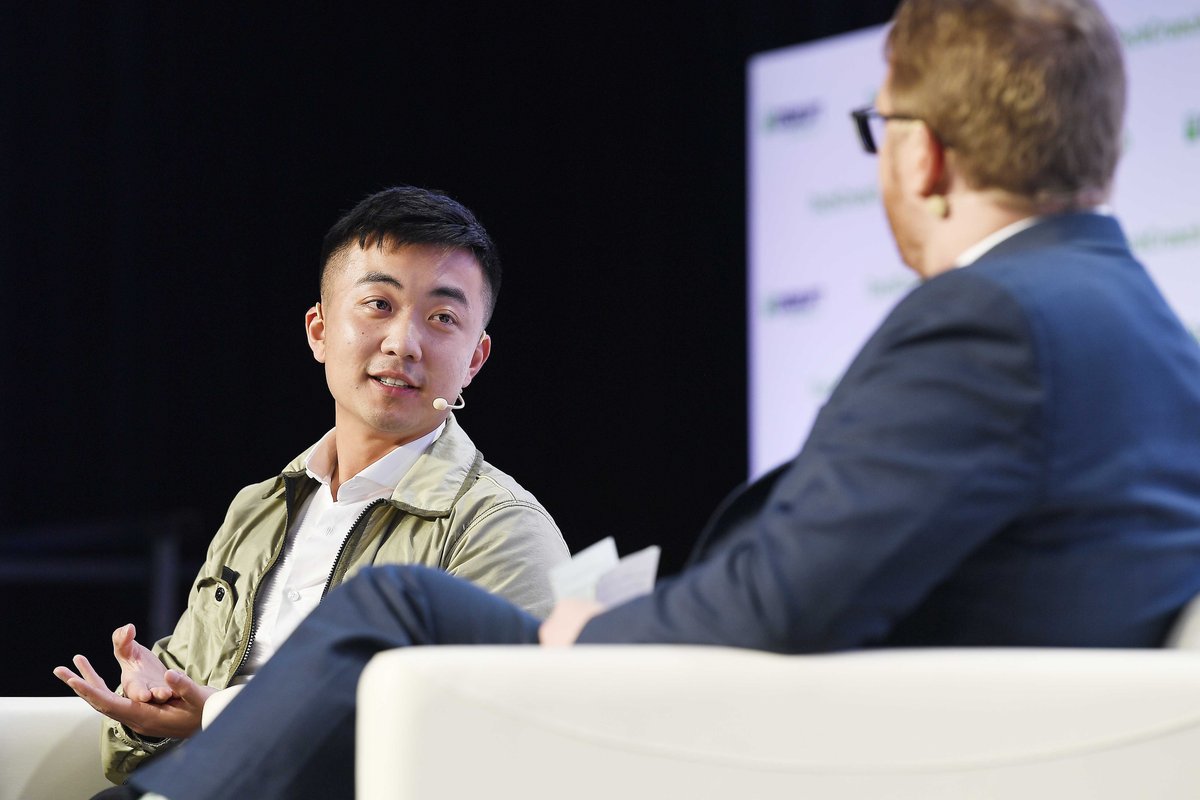
Nothing founder Carl Pei says the price of smartphones is expected to rise this year due to increasing costs of specific hardware
| GETTY IMAGESIn the same blog post, Mr Pei wrote, "For fifteen years, the smartphone industry relied on a single, reliable assumption: components would inevitably get cheaper. While short-term volatility existed, the long-term downward trend in memory and display costs allowed for annual spec bumps without price hikes. In 2026, that model finally broken, driven by a sharp and unprecedented surge in memory costs.
"AI has fundamentally reshaped demand. The same memory used in smartphones is now critical for AI data centres, as hyperscalers lock in silicon wafer capacity years in advance to fuel the AI boom. For the first time, smartphones are competing directly with AI infrastructure and memory prices are rising sharply as a result."
@gbnews A £219 phone from a British startup wants to challenge the most affordable handsets from Samsung, Google and Honor. GBNews.com Tech Editor takes a look at the CMF Phone 2 Pro from Nothing. #Tech #Technology #Phone #GBNews #ad
As an example, a memory module may have cost less than £20 last year. By the end of 2026, that same component could set manufacturers back more than £80 for premium devices.
Mr Pei warned that as a result, "Brands now face a simple choice: raise prices by 30% or more in some cases, or downgrade specs."
LATEST DEVELOPMENTS
This isn't issue isn't just affecting the British tech startup – it's hitting everyone.
Whether you're eyeing up a Samsung Galaxy, the latest iPhone, a Google Pixel, or a budget-friendly handset, the same pressures apply across the board. For instance, the latest Samsung Galaxy S26 rumours indicate that you could see a price hike due to the rising cost of materials. The iPhone 17 now costs £100 more than its iPhone 16 predecessor.
Mr Pei suggests that budget and mid-range segments could shrink by a fifth or more this year, too, with brands that have built their reputation on value-for-money deals facing the toughest challenges.
Specialised updates found in brands' latest models, like higher RAM configurations, which directly impact performance, stability, and speed, and larger storage options, may simply disappear from many product ranges as manufacturers try to keep costs manageable.
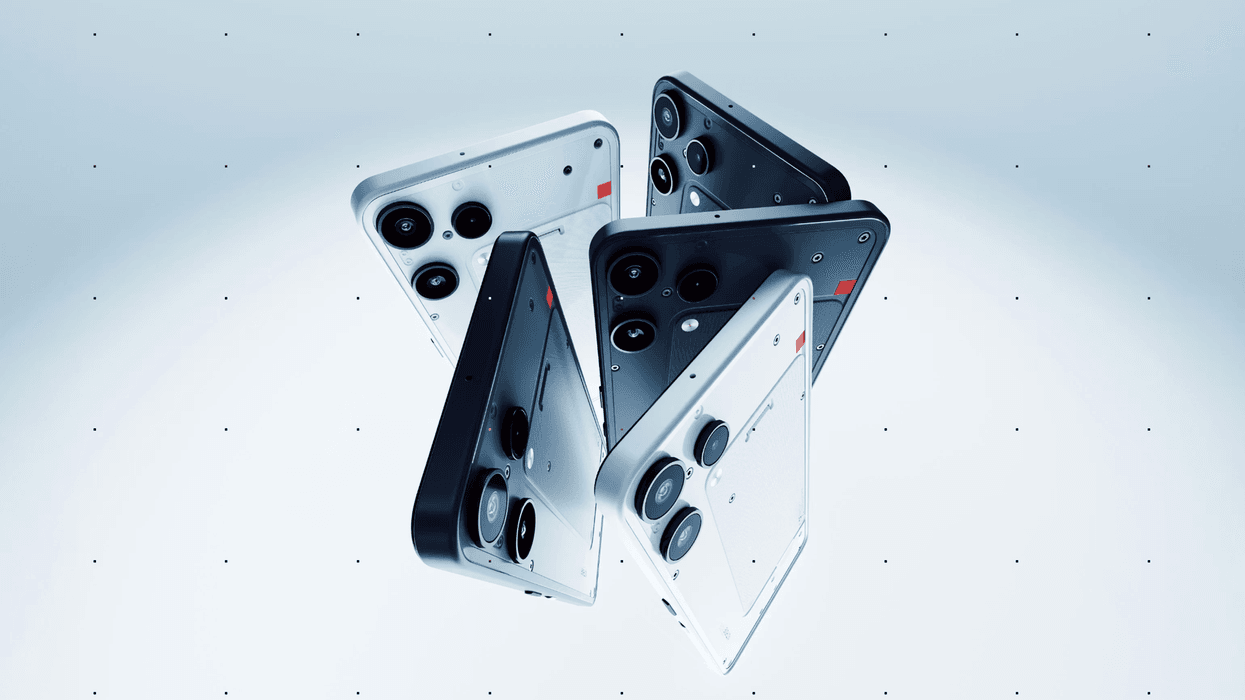
 Nothing, launched in the UK five years ago, designs its award-winning products in London | NOTHING PRESS OFFICE
 However, Mr Pei is trying to find a silver lining in the midst of the price hike.
The company plans to upgrade some devices launching this year to UFS 3.1 storage, which would mean faster performance, even if that means you could be paying more for it.
Mr Pei also alludes to this moment playing to Nothing's strengths: "2026 is the year the 'specs race' ends. As the industry resets, experience becomes the only real differentiator. That is exactly what Nothing was built for."
Nothing, which is headquartered in London, launched in October 2020 and has launched a string of award-winning smartphones, wireless earbuds, and wearables. It recently unveiled its most expensive Android smartphone yet last year.
More From GB News