










New MOT test rules are coming into force today as drivers could benefit from new rules with lower costs and more flexibility.
The Department for Transport announced last month that landmark changes would be made to MOT testing procedures for zero emission vans.
Electric vans weighing between 3.5 and 4.25 tonnes will be moved from heavy vehicle testing requirements to Class 7 MOT rules.
Vehicles in this weight class will only need their first MOT three years after registration, rather than after 12 months.
Electric vans weighing between 3,501kg and 4,250kg have faced additional requirements until now because they are larger than equivalent petrol and diesel vehicles, given the weight of the battery.
The DfT said the new changes could save drivers and businesses up to 60 per cent on MOT tests, as well as giving them more flexibility.
Keir Mather, Aviation, Maritime and Decarbonisation Minister, praised the new measures, highlighting the benefits for drivers and companies.
The Labour MP for Selby said: "We're backing UK businesses to expand and decarbonise their fleets, and that's why we're investing over £1billion to support businesses to roll out e-vans, trucks and the charging needed to support them."
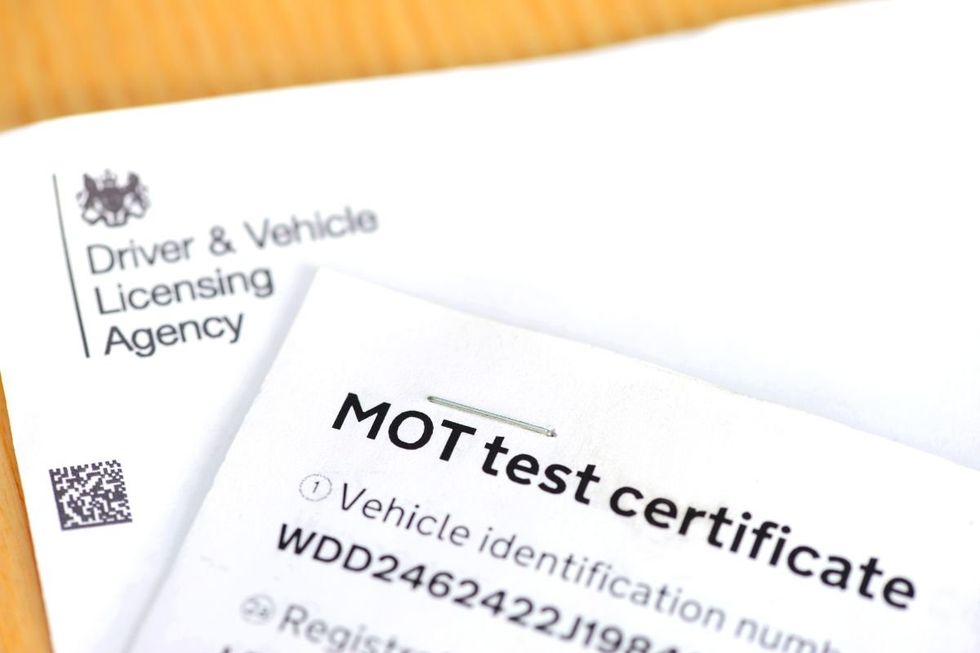
New MOT test rules are being introduced today to cut red tape for drivers of electric vans
|GETTY
Class 7 MOT tests for zero emission goods vehicles between 3,501kg and 4,250kg design gross weight cost £58.60.
This is the same price as petrol, diesel and hybrid goods vehicles weighing between 3,000kg and 3,500kg.
As a result of the new MOT changes, larger fleets with many electric vans will see modest savings for the cost of the MOT, as well as a reduction in the amount of time off the road.
The changes have been supported by experts from across the industry, including Toby Poston, chief executive of the British Vehicle Rental and Leasing Association (BVRLA).
LATEST DEVELOPMENTS
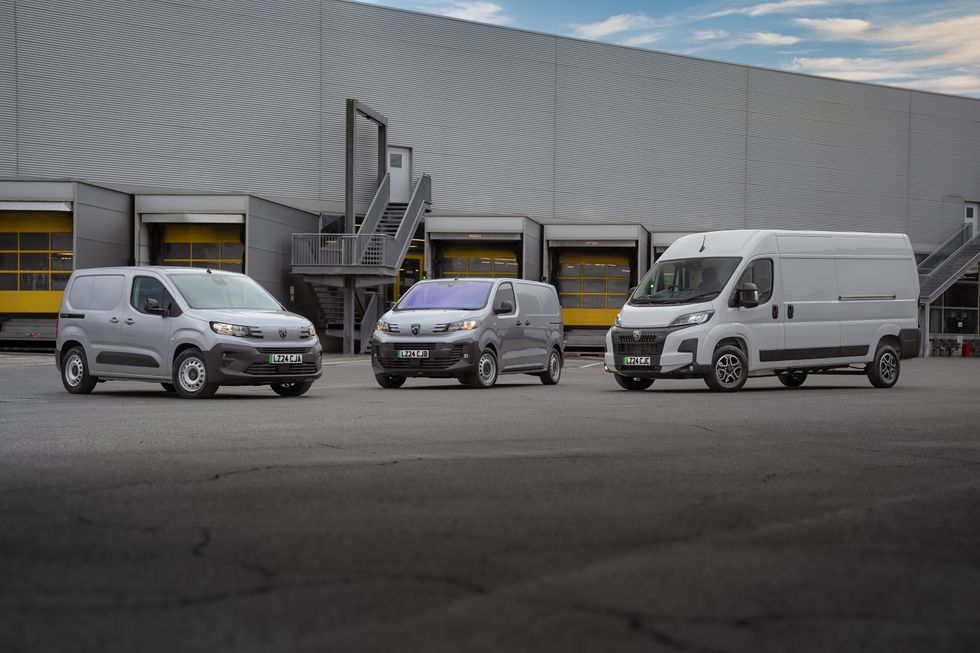 The Government recently announced new grants to help with the rollout of more electric vans | PEUGEOT
He highlighted how tackling costs was essential to help people make the transition to electric vans for the BVRLA and its members.
"Following extensive collaboration between government and industry, these changes remove major operational hurdles for fleets and unlock a critical part of the UK's transition to zero-emission road transport," Mr Poston said.
This was echoed by Lee O'Neill, operations director at Venson Automotive Solutions, who welcomed the move as a "significant and pragmatic step forward".
He suggested that reducing MOT costs and downtime will make electric vans a "more attractive proposition" for drivers and businesses across the country.
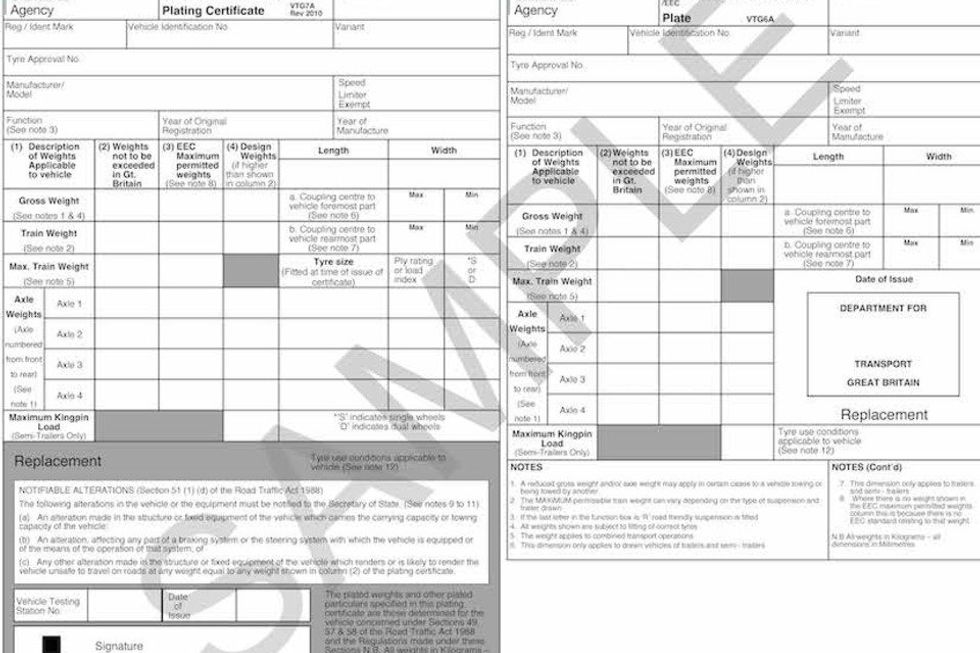
Zero emission vehicles weighing between 3,501kg and 4,250kg will no longer require a ministry plate
|DVSA
The Driver and Vehicle Standards Agency (DVSA) has also amended rules for HGV and trailer ministry plates following the MOT test change.
Ministry plates often refer to heavy goods vehicles and trailer plates and plating certificates that show information about the vehicle or trailer.
HGVs and trailers must have plates and plating certificates if they require an annual MOT, and feature several key categories.
A new amendment has removed the need for zero emission vehicles weighing between 3,501kg and 4,350kg from requiring a ministry plate.