




Watching terrestrial television over an aerial could be scrapped under new plans from the UK Government. Freeview, which is found in around 16 million homes — roughly 60% of all UK TV households, could be shuttered in under a decade as millions of Britons are pushed to watch live television via a broadband connection.
A Green Paper — a consultation document that sets out proposals for discussion before a final decision has been made — outlining the transition away from Freeview and Freesat, which offers access to free-to-air channels via a satellite dish, will be published in the coming weeks, according to the Daily Telegraph. Culture Secretary Lisa Nandy and Technology Secretary Liz Kendall have already signed off on the details of the paper, its sources claim.
Under current UK Government policy, traditional over-the-air broadcasts are only guaranteed until 2034. However, regulator Ofcom is reviewing whether this cut-off date should be extended.
Freeview relies on a rooftop or indoor aerial to unlock access to over 100 television channels and radio stations, with no monthly subscription requird. However, with the UK on track to enjoy 99% broadband coverage by 2030, it might seem reasonable to switch off traditional over-the-air broadcast services in the following decade.
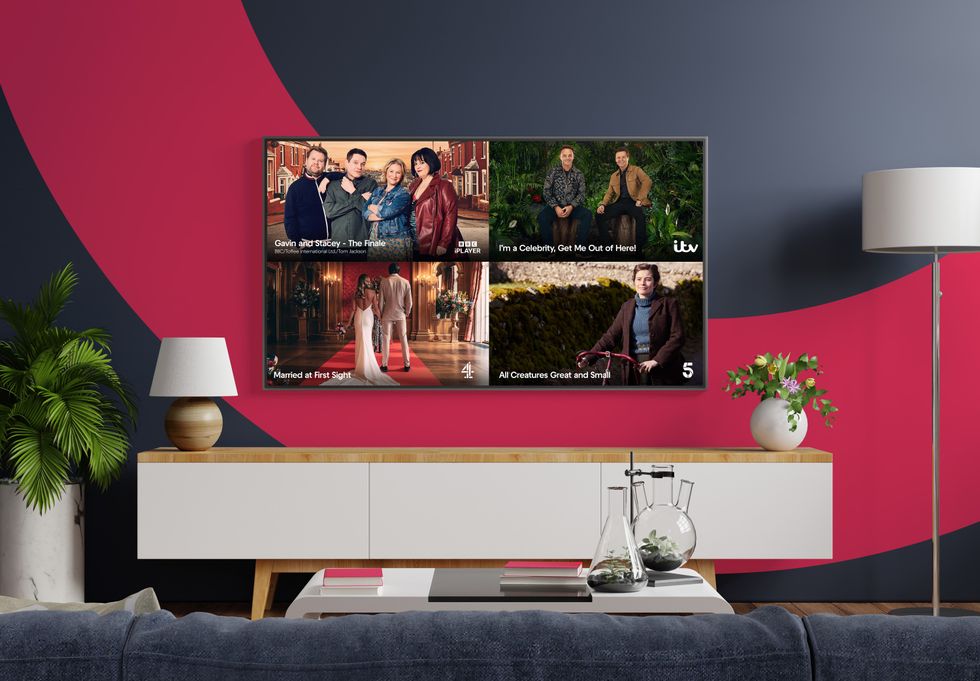
Freely is built by the same team behind Freeview and Freesat, but relies on a Wi-Fi or wired ethernet connection to deliver free-to-air channels to your flatscreen
| EVERYONE TV PRESS OFFICEAfter all, millions of Britons have already flocked to broadband-based broadcasts, a trend that only looks set to continue until it supersedes Freeview by the end of the decade. Streaming can be more convenient, since you're not restricted to where the aerial is fitted so place your television anywhere at home.
Bad weather, including high pressure, regualrly disrupts Freeview... something that isn't the case with streaming-based solutions. It also means you'll enjoy Sky Glass-like features with free-to-air channels, like the ability to pause or restart live shows.
However, there are downsides.
Aside from the mandatory £180 annual TV licence fee, there is no cost to connecting to an aerial and watching linear television. Likewise, if you own a satellite dish, Freesat lets you watch dozens of free-to-air channels at no cost.
But this isn't the case for broadband-based television, which requires an internet connection into your home.
You'll need a minimum speed of 10Mbps to watch via Freely, the successor to Freeview and Freesat, developed by the same team, with most broadband companies charging at least £10 to £15 a month for the sorts of speed you'll need to watch at a decent picture quality. If streaming became the only way to watch free-to-air channels in the UK, millions of UK viewers could be "forced into paying for broadband".
While that might seem reasonable, these costs add up over time – adding a £120 bill via Direct Debit that might've otherwise been unnecessary for those who don't already require internet at home.
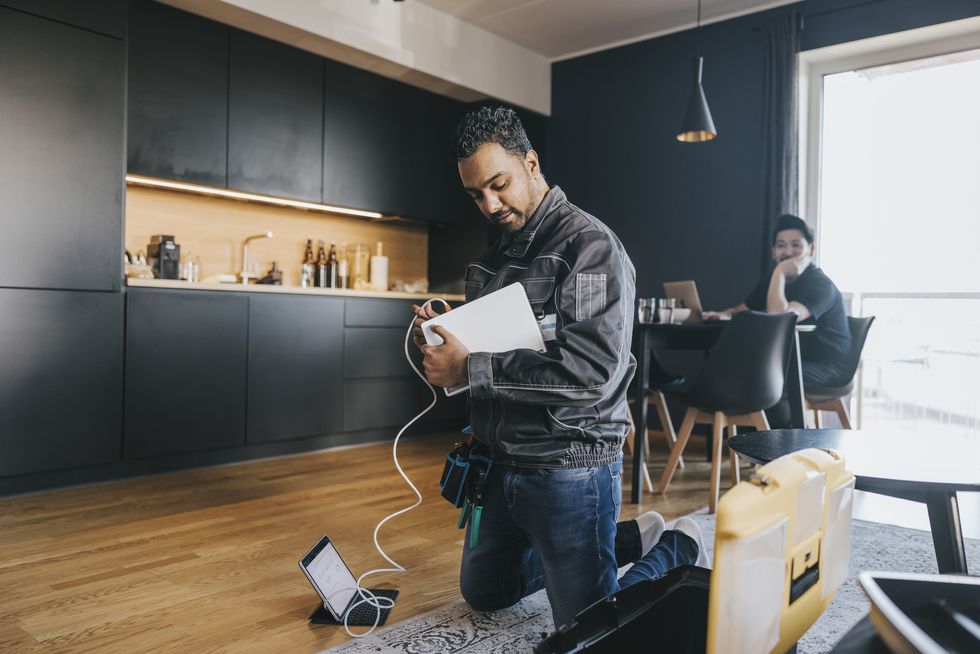
You'll need a broadband connection to continue watching terrestrial television under new plans purportedly in the works from the UK Government
| GETTY IMAGES – PICTURE POSED BY MODELSAccording to the House of Commons Library, 17% of UK households were completely reliant on digital terrestrial services to watch television back in 2023 – meaning these homes did not use satellite, cable, or streaming.
Broadcasters, including the BBC, ITV and Channel 4, have backed a transition to internet-based telly, statting that it costs them vast sums to maintain broadcast signals used by a declining number of people. The BBC has teased plans to build its own Roku or Fire TV Stick competitor to make streaming more accessible to UK households.
A spokesperson for the Broadcast 2040+ campaign, which brings together over 30 organisations, including the Digital Poverty Alliance and Rural Services Network, and hopes to safeguard broadcast TV and radio, told GB News: "Forcing households onto broadband simply to watch basic TV would impose new costs and create new exclusions. If the Government were to underwrite the cost for those who cannot pay, it could easily cost £1billion per year – an ongoing liability, with people losing their TV if it were ever withdrawn."
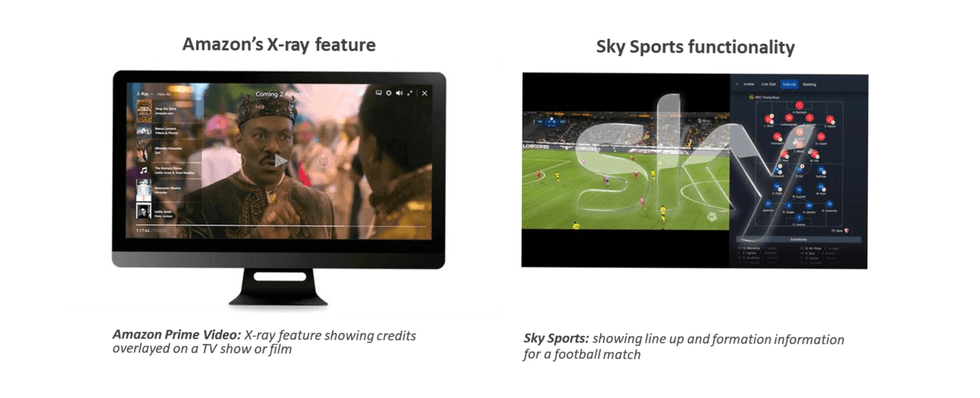
In the study, Oliver & Ohlbaum Associates highlighted features that are only available when watching via streaming, like the ability to pause on Prime Video and find out the names of actors on-screen and music playing in the background, not to mention team formation on Sky Sports
|OLIVER & OHLBAUM ASSOCIATES | SKY PRESS OFFICE
According to a recent study commissioned by Sky dubbed Stream On: The Future of UK TV – which reinforces the possibility of internet-delivered TV in the next few years — a vast number of us have already made the switch, with 94% of UK adults having access to the internet at home and 92% of us relying on one video-on-demand (VOD) service, like Netflix, Prime Video, BBC iPlayer, ITVX, and others.
Thousands don't want to see Freeview TV retired. There's an active online petition circulating across the UK to save Freeview TV, by the non-profit organisation Silver Voices.
For free-to-air broadcasts to continue beyond the current 2034 deadline, the UK Government will need to extend multiplex licences to allow television channels to leverage the Digital Terrestrial Television (DTT) platform, more commonly known as Freeview, to broadcast over the airwaves nationwide.
LATEST DEVELOPMENTS
- Sold-out Freely TV box returns to Amazon with a cheaper price tag
- You'll never Google in the same way again! 'Biggest upgrade in 25 years' comes to search
- HBO Max confirms UK price for all-new shows, films, and TNT Sports
- Now traditional landlines will be 'switched off' for extra 1.23m in UK
- Roku unveils largest-ever cinema-style experience, and Fire TV can't match it
There's no set deadline for the latest UK Government review, but the last time the DTT licences were up for renewal, the consultation ended in February 2021 ahead of an early 2022 deadline. In other words — we're unlikely to find out the outcome for a few years.
Ofcom published a report called Future of TV Distribution back in May 2024. One the findings was that Britons now spend less time watching broadcast television via DTT, leading to broadcatsers voicing concerns that "declining viewership on broadcast platforms over the next 10-15 year will create a tipping point at which the cost of distributing via DTT and satellite will exceed the benefits generated from being on those platforms."
The UK regulator highlighted that investment in a more efficient DTT service would be needed to continue broadcasts via Freeview alongside a gradual transition to streaming for free-to-air channels in the 2030s.
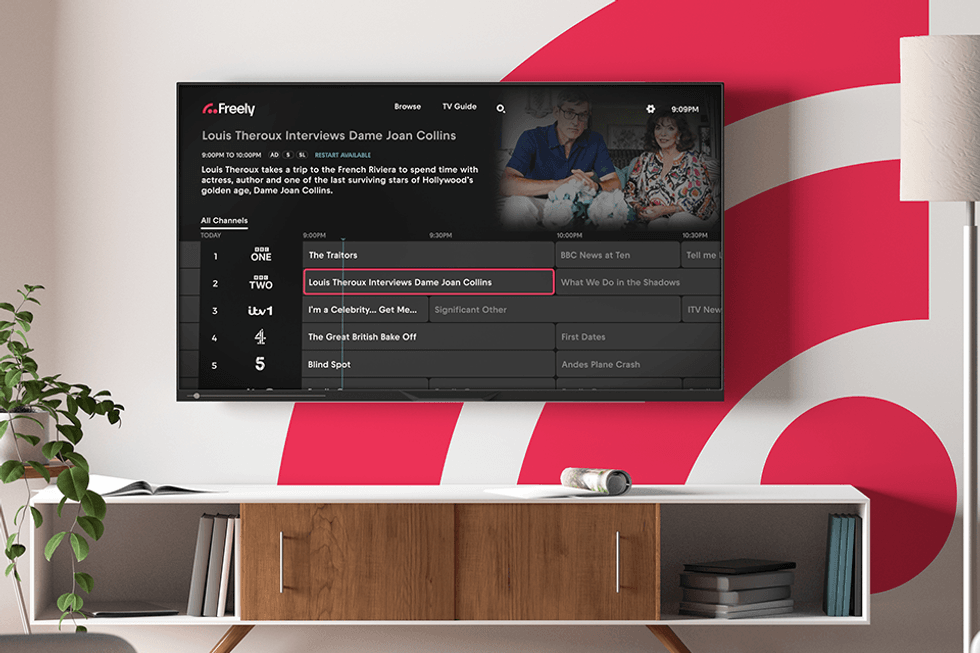
Everyone TV, the organisation that developed Freely and Freeview, has struck deals with a variety of manufacturers to use Freely as the default way to watch on newer flatscreen models
| EVERYONE TV PRESS OFFICEThe industry is already pivoting towards a streaming-only future in the UK.
As well as major changes to BBC iPlayer, rival Channel 4 has shuttered five of its Freeview channels and told staff consider streaming before approving any new commissions.
ITV has overhauled its broadcast business in a race to meet its target of 2.5 million ITVX Premium subscribers by 2026. The Netflix rival offers exclusive boxsets, early access to some of its biggest dramas, downloads for offline viewing on flights or abroad, and the ability to skip adverts for £5.99 per month.
But the biggest push towards an internet-only television arrived from Everyone TV back in 2024. Dubbed Freely, this is a joint effort between the UK's biggest broadcasters ― the BBC, ITV, Channel 4, and Channel 5 ― to replicate the experience of watching Freeview and Freesat with just a Wi-Fi connection. Live free-to-air channels are streamed over broadband, so there’s no need to connect your TV to an aerial, meaning it can positioned anywhere in the home.
GB News was added to the service as part of a major update last year.
If Downing Street decides to move ahead with the transition away from traditional broadcasts, it wouldn't be the first time the UK has seen a major shake-up to its television landscape.
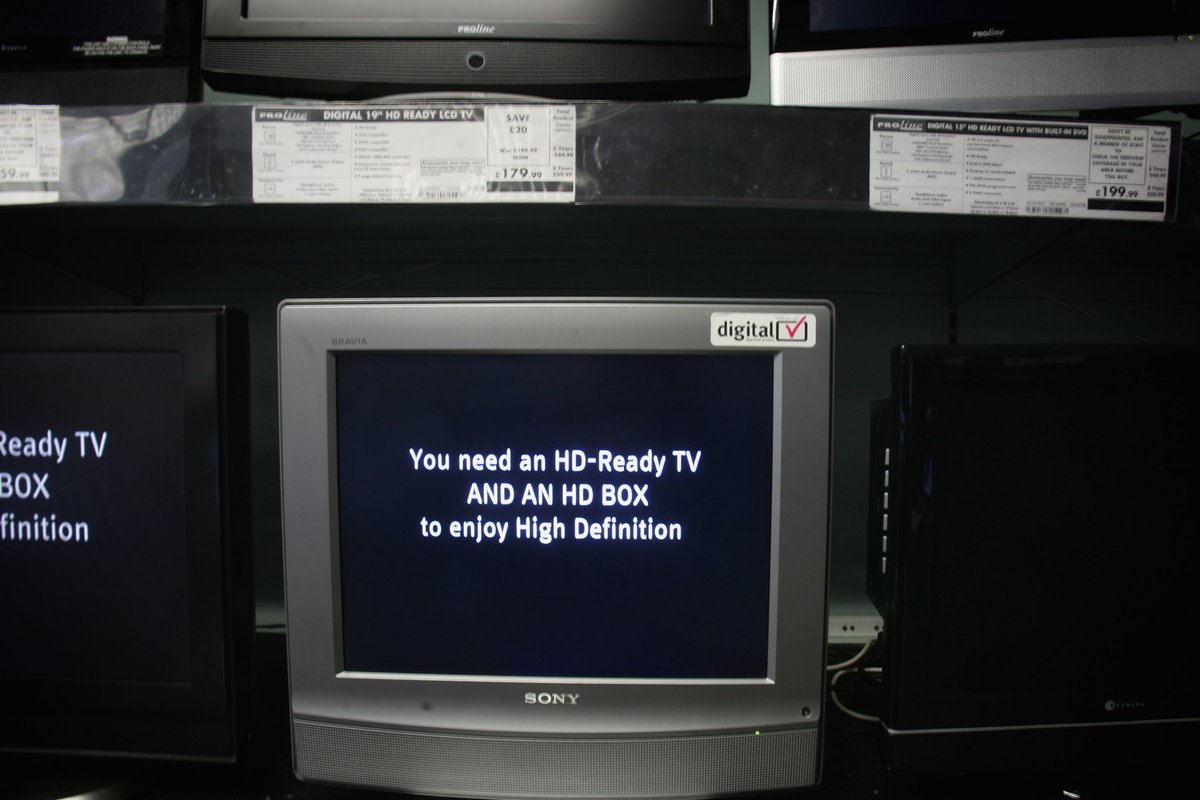
The UK switched from analogue broadcasts to digital, unlocking better picture quality, between 2007 and 2012. Households needed a compatible television to be able to tune-in to the new digital service, now more commonly referred to as Freeview
|GETTY IMAGES
The transition from analogue to digital broadcasts — more commonly known as Digital Switchover — took place nationwide between 2007 and 2012. It replaced analogue boradcasts with digital transmissions, improving picture and sound quality, while bolstering channel choice and freeing up spectrum to be repurposed for 5G mobile data.
The staggered roll-out took place region by region, kickstarting in Whitehaven, in Cumbria, and finishing up in Northern Ireland and London. Households had to switch to Digital TVs — marketed as "HD Ready" — or set-top boxes to continue to receive broadcasts.
Satellite broadcasts are also slowly being phased out, with Sky no longer offering its Sky Q set-top box — the last to require a satellite dish affixed to the outside of your home — to new customers via its online store. Both of its flagship products, Sky Glass and Sky Stream, both rely on an internet connection to offer access to live channels.