

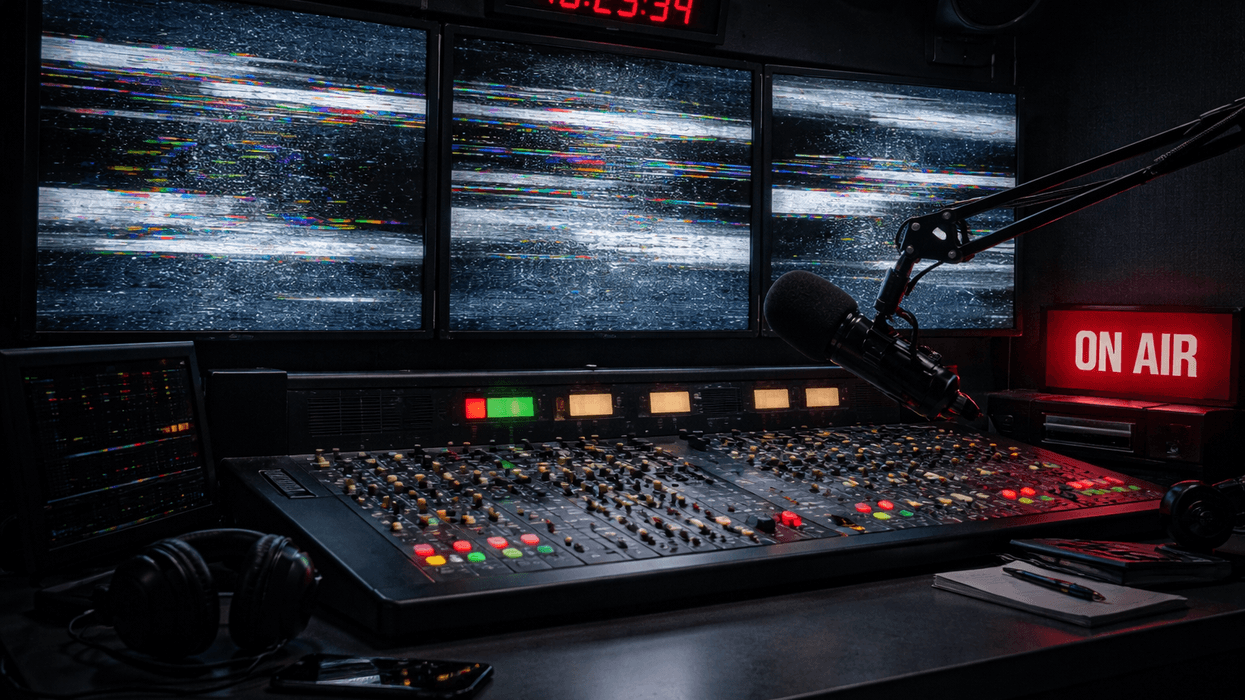





You might soon be saying goodbye to your trusty FM radio. The Government has kicked off a major review of the UK radio industry, and it's looking at whether analogue signals should be phased out entirely.
The decision arrives as nearly three-quarters (74.6%) of all radio listening in Britain now happens via digital or online platforms, like Spotify and Apple Music, according to statistics from the Department for Culture, Media and Sport. The upcoming review will explore whether a digital switchover makes sense over the next decade, and if so, how quickly it should happen.
Findings from the review are expected to be released later this year. Media minister Ian Murray called radio a "powerful and popular medium" but acknowledged that listening habits are shifting dramatically.
He said, "We know that listening habits are changing as even more people access radio via digital and online platforms, whether at home or in the car. The use of AI as a tool is only going to keep increasing in the coming years, and this will impact how radio is made and consumed. That is why it is so important that we carry out this review.
“We need to make sure that the UK radio industry has the right support to thrive long into the future.”
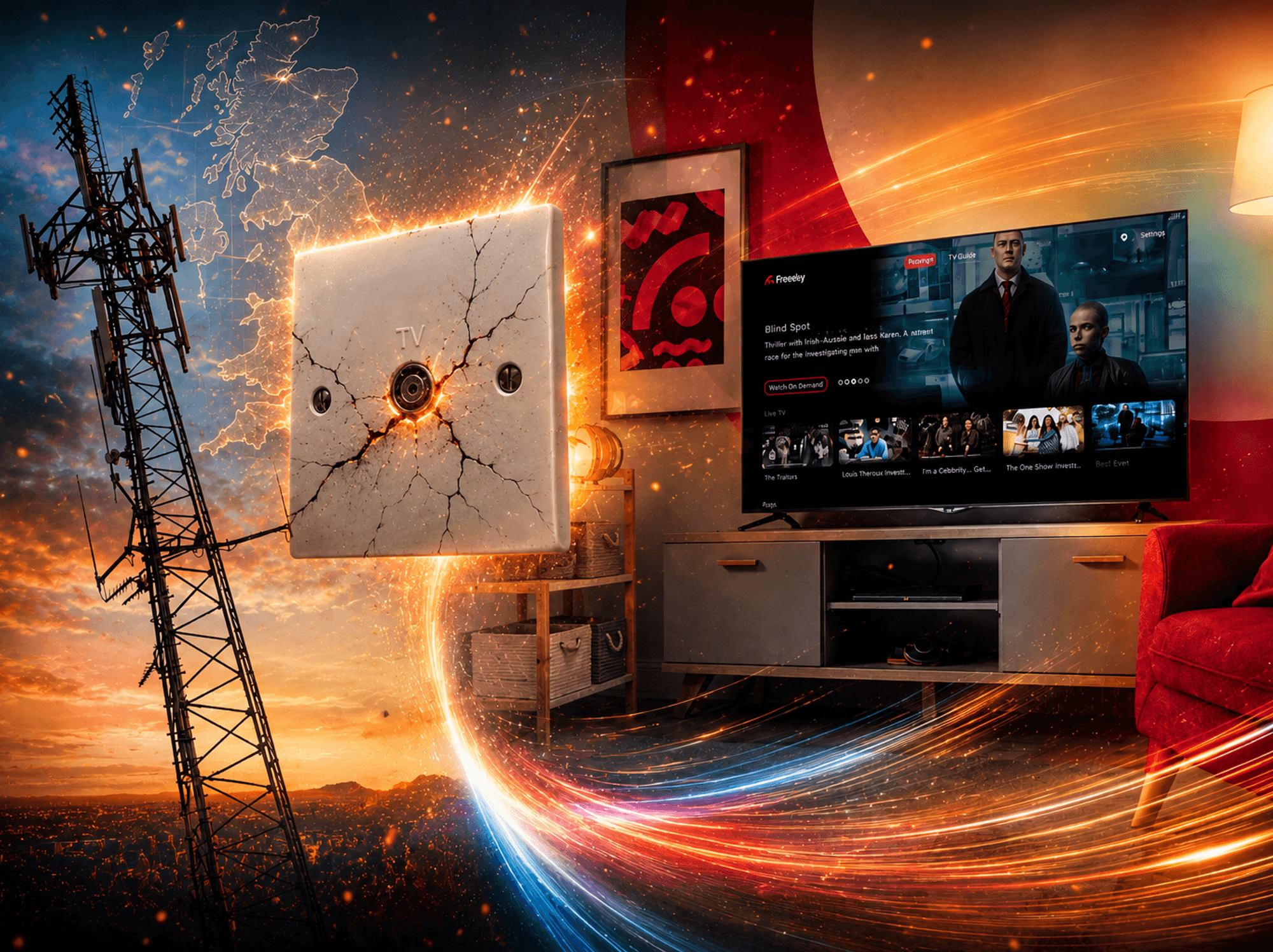
It's not just radio facing this shake-up, either. Freeview could also be switched off and replaced by broadband-powered TV from 2031 onwards.
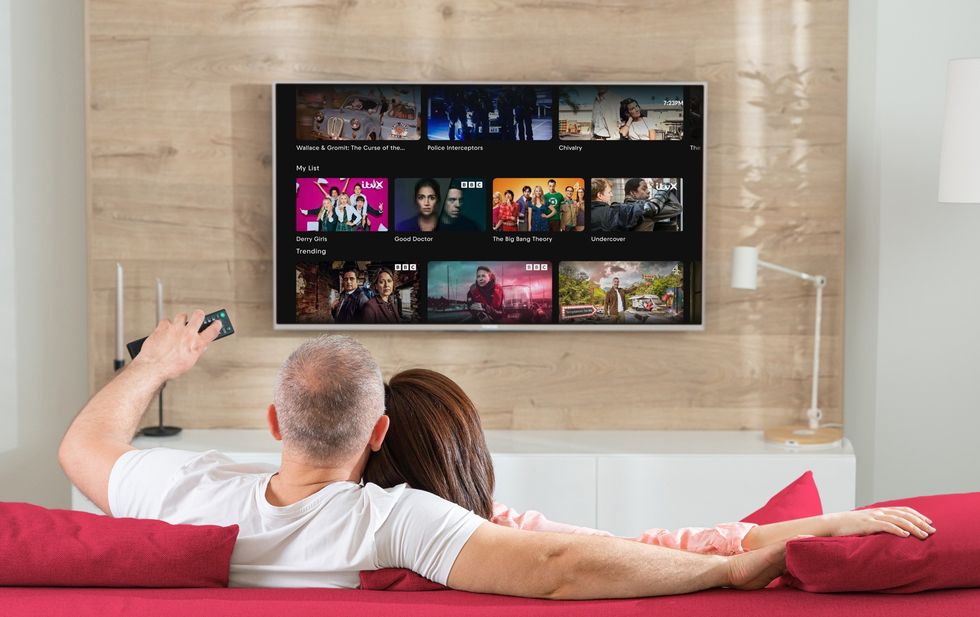
Freeview's broadcast licence runs out in 2034, meaning ministers will need to decide whether to extend the multiplex licences that allow channels to broadcast over the airwaves.
| EVERYONE TV PRESS OFFICEThe Government and Ofcom are currently examining whether the free-to-air digital terrestrial TV service should be wound down within the next decade. Under existing policy, traditional over-the-air television is only guaranteed until the early 2030s.
There's a hard deadline looming as well. Freeview's broadcast licence runs out in 2034, meaning ministers will need to decide whether to extend the multiplex licences that allow channels to broadcast over the airwaves.
Both potential switch-offs share a common worry, and it's about who might get left behind if they take place.
LATEST DEVELOPMENTS
- Millions of WhatsApp users placed on red alert
- Sold-out Freely TV box returns to Amazon with a cheaper price tag
- Best VPN deals
- HBO Max confirms UK price for all-new shows, films, and TNT Sports
- Now traditional landlines will be 'switched off' for extra 1.23m in UK
- Millions of UK viewers could be 'forced into paying for broadband'
For instance, elderly and disabled individuals, those living in rural areas, and low-income households are all more likely to struggle with the switch to digital. These groups often face barriers like cost, poor connectivity, or simply not being comfortable with newer technology.
For radio, a 2021 review specifically recommended holding off on any forced switch-off of analogue services until at least 2030 to protect these vulnerable listeners, and suggested revisiting the question in 2026, which is exactly what's happening now.
The television side faces similar concerns. Vulnerable members of society risk being cut off from essential programming like news, live sports, and entertainment if they can't make the digital leap.
The decision arrives as nearly three-quarters of all radio listening in Britain now happens through digital or online platforms like Spotify and Apple Music, hitting 74.6% according to the Department for Culture, Media and Sport
|GETTY IMAGES
The radio industry appears eager to play an active role in shaping what comes next.
Matt Payton, chief executive at Radiocentre, said: "Radio remains extremely popular, yet listening habits continue to change, driven by new technology and innovation. Whether audiences are listening on smart speakers, a radio set or in a connected car, it's vital to ensure that distribution and access to radio is secure for the future."
Jonathan Wall, director of BBC Sounds, echoed this, saying: "We all have a common objective to secure and protect the future of radio for our listeners and welcome the opportunity to work together with our colleagues in commercial radio and across the industry during the radio review."
More From GB News