





Traditional terrestrial channels could be ditched in favour of broadband-powered broadcasts in the 2030s, a new study has claimed. Under current UK Government policy, traditional over-the-air television is only guaranteed until the early 2030s, although regulator Ofcom is reviewing whether this cut-off date should be extended.
According to a new study, dubbed Stream On: The Future of UK TV, every UK household could have access to internet-delivered TV by the mid-2030s, allowing traditional terrestrial distribution to be retired. A vast number of us have already made the switch, with 94% of UK adults having access to internet at home and 92% of us relying on one video-on-demand (VOD) service, like Netflix, Prime Video, BBC iPlayer, ITVX, and others.
While streaming can be more convenient — and unlocks Sky Glass-like features, like the ability to pause or restart live television – there are downsides. Aside from the BBC licence fee, there’s no cost when tuning into linear TV channels using an aerial.
Likewise, if you have a satellite dish, Freesat lets you watch dozens of free-to-air channels at no cost. However, this isn't the case for broadband-based television, which requires an internet connection in your home.
You'll need a minimum connection speed of 10Mbps for Freely, with most broadband companies charging at least £10–£15 a month for the sort of speed you'll need to watch. Millions of UK viewers could be "forced into paying for broadband" as a result.
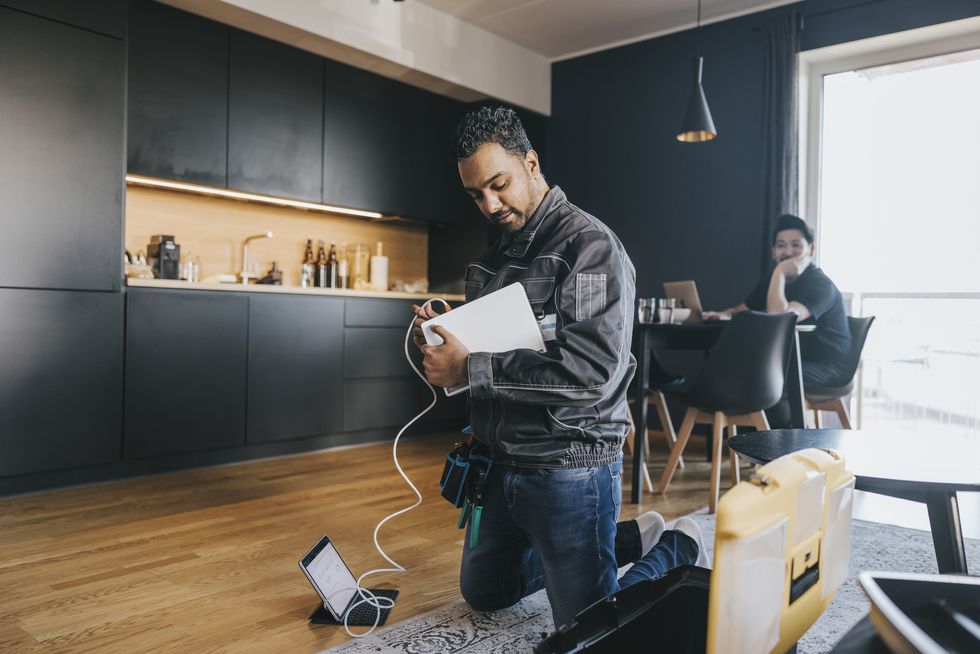
For many, a broadband connection provides a fast, stable, and always-on link to the internet. It supports bandwidth-heavy activities like streaming movies, gaming, video conferencing, and cloud storage without lag or dropouts.
| GETTY IMAGES – PICTURE POSED BY MODELSAnd there are the thousands of UK homes still without a broadband connection.
For those who aren't yet connected, the UK Government's target of 99% broadband coverage by 2030 should help plug the gap. The latest research was put together by Oliver & Ohlbaum Associates based on a representative survey of 1,000 UK TV viewers. It was published by Sky, which recently retired its own satellite solution in favour of internet-powered solutions like Sky Glass Gen 2 and Sky Stream.
Based on its figures, by the start of the 2030s, just 330,000 (2.2%) of UK households will still need help to make the switch to broadband-powered broadcasts. This would be quite the decrease from prior numbers. As recently as 2023, there were a total of 3.9 million households not using internet-delivered TV.
Despite the decrease in numbers, thousands don't want to see Freeview TV retired. There's an active online petition circulating across the UK to save Freeview TV, with nearly 100,000 signatures already recorded.
There have been additional concerns that they could consist of elderly or disabled individuals, rural communities, or low-income households.
That’s because vulnerable members of society are more likely to face barriers to uptake of newer technologies, like cost, location, or digital literacy ― dramatically increasing the risk that they’re excluded from essential TV programming like live sports coverage, news, and entertainment.
The report argues that helping these groups connect should be part of the UK’s wider digital inclusion agenda, not a TV-specific fix. However, the study also says that "audiences – including older viewers – are enthusiastic about connected TV, with 93% finding its features useful, rising to 99% among those aged 70+".
Nick Herm, Group Chief Operating Officer at Sky, said in a statement: “This research shows that modern TV and social inclusion can go hand in hand. A full move to internet-delivered TV in the 2030s is achievable – and it can help close the digital divide rather than deepen it.
"With most people already streaming, an investment from the Government in skills and affordable connectivity for the relatively small number of households who still need help to get online will have benefits far beyond TV, while saving hundreds of millions on maintaining legacy systems.”
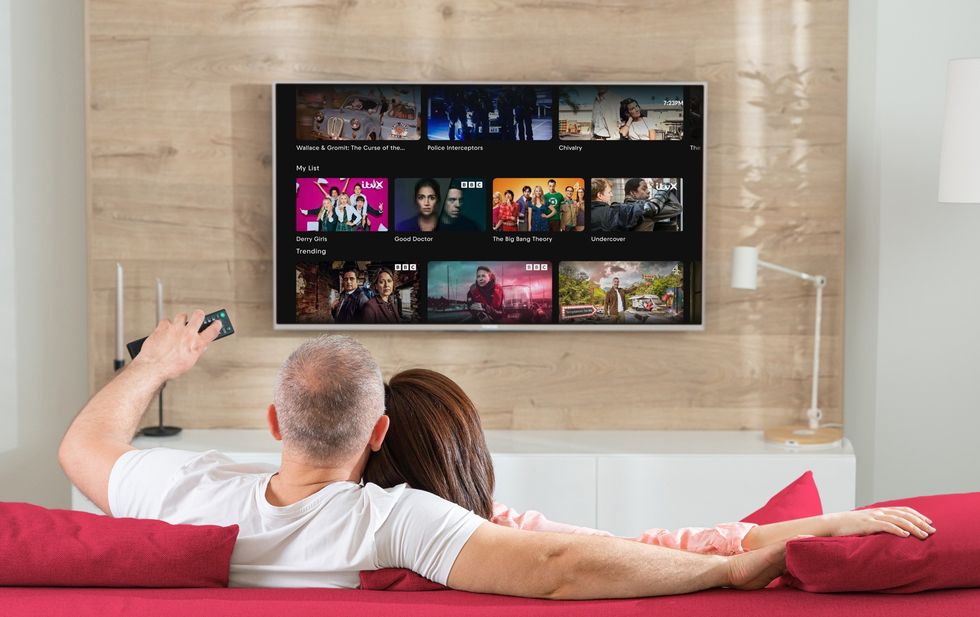 You don't need a TV license if you want to watch on-demand content on streaming services like Netflix, Amazon Prime Video, or Disney+ | EVERYONE TV PRESS OFFICE
 In addition to the concerns over the digital migration, Freeview TV's broadcast license is set to expire in 2034.
Downing Street is reviewing the future of television distribution in the UK. For free-to-air broadcasts to continue beyond the current deadline, the UK Government will need to extend multiplex licences to allow television channels to leverage the Digital Terrestrial Television (DTT) platform, more commonly known as Freeview, to broadcast over the airwaves nationwide.
There's no set deadline for the latest UK Government review, but the last time the DTT licences were up for renewal, the consultation ended in February 2021 ahead of an early 2022 deadline. In other words — we're unlikely to find out the outcome for a few years.
LATEST DEVELOPMENTS
Ofcom published a report called Future of TV Distribution back in May 2024.
One of the findings was that Britons now spend less time watching broadcast television via DTT, leading to broadcasters voicing concerns that "declining viewership on broadcast platforms over the next 10-15 year will create a tipping point at which the cost of distributing via DTT and satellite will exceed the benefits generated from being on those platforms."
The UK regulator highlighted that investment in a more efficient DTT service would be needed to continue broadcasts via Freeview alongside a gradual transition to streaming for free-to-air channels in the 2030s.
Similar to viewers pivoting to internet-based TV, the industry is also pivoting towards a streaming-only future in the UK.
As well as major changes to BBC iPlayer, rival Channel 4 has shuttered five of its Freeview channels and told staff to consider streaming before approving any new commissions.
But the biggest push towards an internet-only television has arrived from Everyone TV. A joint effort between the UK's biggest broadcasters ― the BBC, ITV, Channel 4, and Channel 5 ― to replicate the experience of watching Freeview and Freesat with only a Wi-Fi connection.
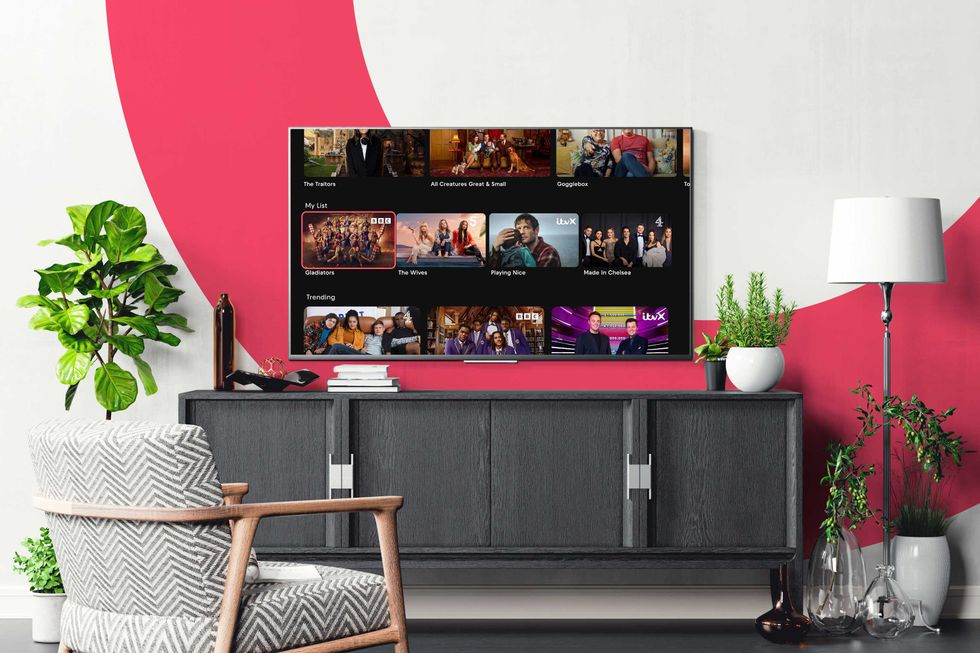
Freely is a newer platform developed by the team behind Freeview and Freesat to stream free-to-air channels over a Wi-Fi connection — no aerial needed
| EVERYONE TV PRESS OFFICELive free-to-air channels are streamed over broadband, so there’s no need to connect your TV to an aerial, meaning it can be positioned anywhere in the home.
At launch, Freely was only available on new Smart TVs built from the ground up to support the IP-based platform, there's no pathway to upgrade a Freeview-compatible television to the newer system. But late last year, French manufacturer Netgem launched the first dedicated set-top box to bring Freely to any television.
British brand Manhattan has followed up with its Aero 4K Streamer, which brings internet-based live television for a cheaper £69 price tag. Clearly, this is a winning formula, as the new box sold-out within hours.