


All products and promotions are independently selected by our experts. To help us provide free impartial advice, we will earn an affiliate commission if you buy something. Click here to learn more





Parents are urged to treat children's online privacy as "as natural as teaching a child to cross the road" or stranger danger campaigns, according to the Information Commissioner's Office (ICO). This comes as the ICO uncovered in a survey that three in four parents worry their child can't make safe choices when it comes to protecting their personal details online.
The ICO said online privacy includes children’s names, ages, and where they live, "but also less obvious information like their browsing history, purchases, photos, voice notes and social media or gaming activity."
Around 22% of children have handed over personal information like health details to Artificial Intelligence (AI) tools, while nearly a quarter have shared their real name or home address online. Younger children, including eight and nine-year-olds, appear to be most at risk.
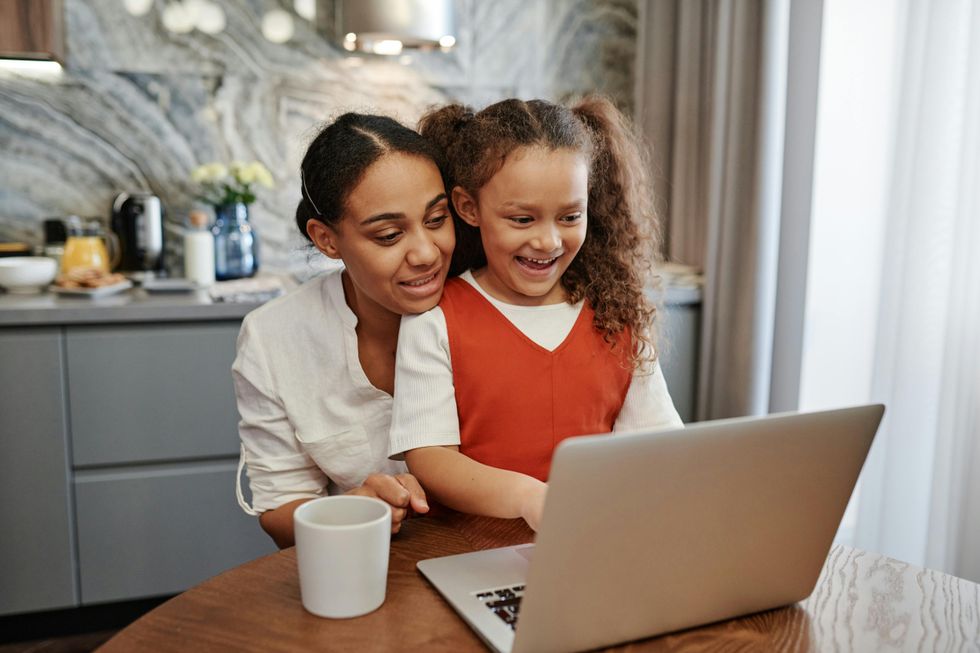
Nearly half of the parents surveyed admitted they don't feel confident protecting their children's privacy online
|PEXELS
The survey also found that 35% of parents think their child would happily hand over personal details in exchange for game tokens or rewards.
Nearly half of the parents surveyed admitted they don't feel confident protecting their children's privacy online. Another 44% said they're trying but aren't sure they're doing enough.
And if you're guilty of not checking your child's privacy settings often enough, you're not alone. About 42% of parents admitted they probably don't spend enough time on this.
Subscribe to ExpressVPN for just £1.99 – just 6 pence a day

Protect your personal information and encrypt everything you do online for just £1.99 with the latest ExpressVPN deal. That equates to just 6p a day for military-grade encryption across 10x devices.
Unsurprisingly, this blockbuster sale trounces NordVPN, its biggest competitor.
ExpressVPN boasts apps for iPhone, Android, Linux, Windows, Mac, Fire TV, and dozens more, to secure your internet traffic from prying eyes, advertisers, and governments. We praised its speed and reliability in our ExpressVPN review. For a limited time, you'll benefit from an extra 4 months free with a two-year plan
[countdown-2026-04-22]
GB News viewers save 80% on ExpressVPN Basic
$9.99
$1.99
The ICO says many parents feel underprepared for the challenge of keeping their children's data safe in the digital age.
Emily Keaney, the ICO's deputy commissioner, explained, "The internet offers amazing opportunities for children – but every click can leave a hidden data trail and these digital footprints can last forever.
"We wouldn’t expect our children to share their birthdays or address with a stranger in a shop, because we’d explain stranger danger to them from a very young age, but kids these days are growing up online.
"We know that where children’s details, like their name, interests and pictures, aren’t protected, the potential risks are serious: unwanted contact from strangers, grooming and radicalisation.”
Patrick Christys speaks with the Chief Research Officer at ExpressVPN
Dame Rachel de Souza, children’s commissioner for England, said that tech companies also need to take some of the responsibility.
She said, "We all have a role to play in protecting children from these dangers, many of which we as adults are also still learning to navigate.
“Too often, we are playing catch-up. This is why it is important that parents feel confident having early, everyday conversations with children about the risks of being online and how to respond if something makes them uncomfortable.
“But we cannot let tech companies off the hook.
“They must be held accountable for putting profits before protections and must be required to design services that prioritise children’s safety and privacy by design, rather than treating children’s safety as an optional tick box exercise, after harm has already occurred.”
Justine Roberts, founder of Mumsnet, echoed these concerns: "Many parents are already talking to their children about harmful content or screen time, but privacy often gets overlooked."
She added that families are increasingly looking for clear, practical guidance as worries grow about how children's data gets used online.
LATEST DEVELOPMENTS
- Update WhatsApp today, and unlock all-new app for your car
- Google has simple fix for 'difficult decision' faced by millions of Windows 10 users
- Best VPN deals
- Virgin Media offers full-fibre internet and 200 channels at lowest EVER price
- Most expensive Kindle EVER launches in UK today
- Popular messaging app discontinued on Galaxy phones
Parents and campaign groups have called for a social media ban for under-16s in the UK.
The Government has launched its own review to see if banning social media platforms for all those aged under 16 would be beneficial.
Australia recently became the first country to ban social media for children aged under 16.
Some argue that, should the Labour Government decide to follow in the footsteps of the Australians, the outcomes would not always be positive for millions of young people living in the UK.
Girlguiding advocate Imogen, 15, said: “Should a ban come in, 16-year-olds would end up entering the digital world without any guidance to navigate it safely, which could be more dangerous and harmful. Platforms need to be made safer and young people be provided with the right online safety education.”
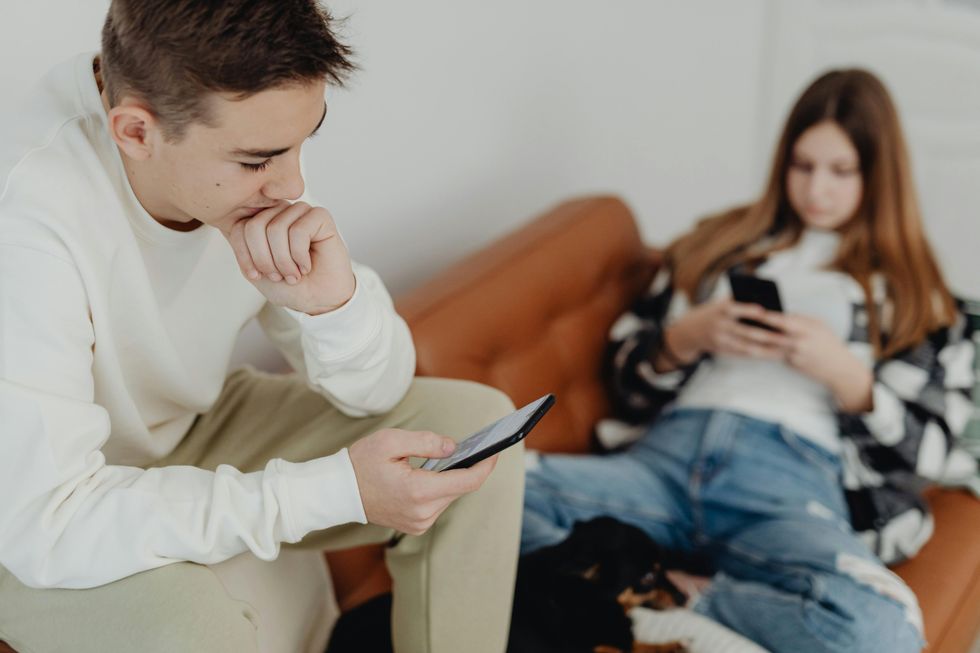
The Government recently launched an experiment to see if a social media ban for children would positively affect families.
|PEXELS
The Government recently launched an experiment to see if the ban would positively affect families.
Ministers have set up a six-week trial where 300 children between the ages of 13 and 17 will test out possible social media bans, from a one-hour cap to an overnight blackout. MPs will review whether these restrictions make any difference to children's academic performance, sleep, and home life.
Teenagers and their parents will be split into four different groups.
The first group will have parents use parental controls to completely block social media apps – an attempt to mimic how a full ban would feel.
Group two will have a one-hour daily cap on the major social media platforms like TikTok, Snapchat, and Instagram.
The third group will face an overnight blackout, with social media switched off between 9pm and 7am – so you can still scroll a bit before and after school.
However, the final group will carry on using social media exactly as they do now, giving researchers a point of comparison.
Families taking part will also sit down for interviews at the beginning and end of the trial, sharing how the restrictions affected them and any challenges they ran into along the way.
 The Online Safety Act adds strict age verification barriers to thousands of popular websites, forums, and social media services | GETTY IMAGES
However, there are trepidations about the way this test is being conducted.
Mark Jones, Online Safety Act expert and Criminal partner at Payne Hicks Beach, said, “The pilot appears too narrow, focusing only on screen time and curfews, which risks oversimplifying the problem. How young people spend their time online also matters, not just how long. Any social media ban could increase the risk of young people devising workarounds."
The UK Government's recent roll-out of the Online Safety Act last summer added strict age verification barriers to thousands of popular websites, forums, and social media services. Britons must verify their age by providing a passport scan, a facial scan, or entering credit card details.
Children under 16 living in the UK have also said they don't feel safe from online content, despite existing safety measures.
And fewer than one in six say that a blanket social media ban for anyone underage would make them feel safer online, according to new research from youth organisation Girlguiding.
Girlguiding chief executive Felicity Oswald said: "Young people are clear that they don’t think technology is safe, however, they also recognise its benefits. It is crucial they are part of this important national conversation, especially girls who are often more likely to experience sexist and misogynistic online harms.
"Our approach to online safety must support young people, not make them feel punished. As the consultation gets underway, we look forward to ensuring any government policies do not disproportionately impact girls or police their behaviours."
The Government's review into the ban is expected to end in late May.