


All products and promotions are independently selected by our experts. To help us provide free impartial advice, we will earn an affiliate commission if you buy something. Click here to learn more



Children under 16 living in the UK do not feel protected from harmful content — despite existing safety measures. And fewer than one in six say that a blanket social media ban for anyone underage would make them feel safer online, according to new research from youth organisation Girlguiding.
This survey comes as parents and campaign groups have called for a social media ban for under-16s in the UK. The research revealed that children don't feel safe because of some of the content that regularly crops up online.
It found that almost one in four (24%) of the 2,000 young people polled said they do not feel in control of what appears on their social media feed, and two in five (40%) said they have seen violent or upsetting videos online.
From today, the Government has launched its own review to see if banning social media platforms for all those aged under 16 would be beneficial.
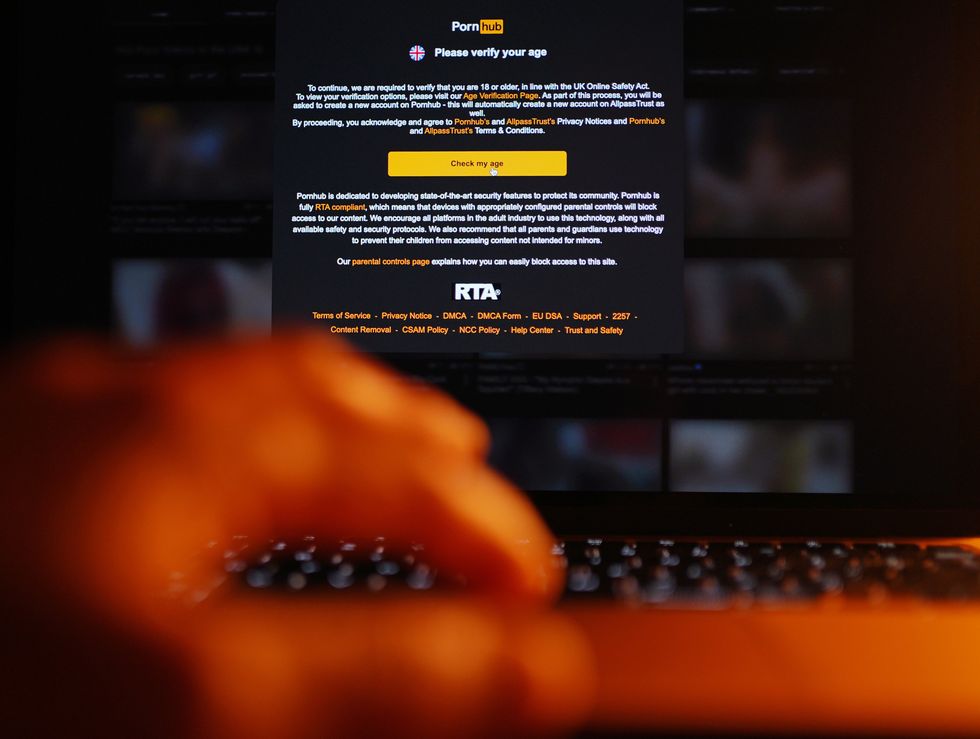 The UK's Online Safety Act is meant to prevent children from accessing harmful online content | PA
Girlguiding chief executive Felicity Oswald said: "Young people are clear that they don’t think technology is safe, however, they also recognise its benefits. It is crucial they are part of this important national conversation, especially girls who are often more likely to experience sexist and misogynistic online harms.
"Our approach to online safety must support young people, not make them feel punished. As the consultation gets underway, we look forward to ensuring any government policies do not disproportionately impact girls or police their behaviours."
Australia recently became the first country to ban social media for children aged under 16.
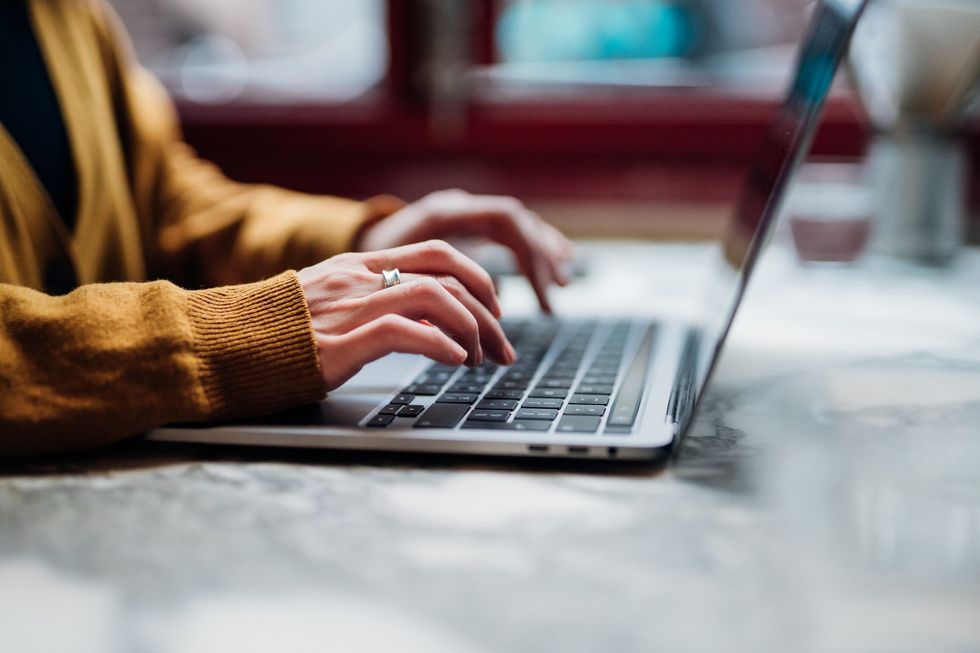
The Online Safety Act adds strict age verification barriers to thousands of popular websites, forums, and social media services
|GETTY IMAGES
Some argue that, should the Labour Government decide to follow in the footsteps of the Australians, the outcomes would not always be positive for millions of young people living in the UK.
Girlguiding advocate Imogen, 15, said: “Should a ban come in, 16-year-olds would end up entering the digital world without any guidance to navigate it safely, which could be more dangerous and harmful. Platforms need to be made safer and young people be provided with the right online safety education.”
This new review also comes after the UK Government's roll-out of the Online Safety Act last summer — adding strict age verification barriers to thousands of popular websites, forums, and social media services. Britons must verify their age by providing a passport scan, a facial scan, or entering credit card details.
These restrictions were put in place largely to protect children from harmful, age-inappropriate content, including online pornography, material promoting self-harm, eating disorders, and suicide.
Jamie Hurworth, Dispute Resolution lawyer and Online Safety Act expert at Payne Hicks Beach, told GB News: "This government consultation is welcome as it is clear the conversation on child online safety needs to move on from the 2023 Online Safety Act, which brought in some protections but left many gaps especially around AI and immersive platforms which still put children at huge risk.
"An outright ban on social media is unlikely to work in practice, though, as it could simply push young people into unregulated spaces and thwart effective age verification.
"But, it’s encouraging to see ministers finally acknowledge that more needs to be done and are willing to explore a range of smarter, evidence-based options that can hopefully be implemented more rapidly.”
VPNs have long been essential downloads in enterprise, since they stop hackers, governments, and criminals from snooping on online activity or personal data.
| EXPRESSVPN PRESS OFFICEThe UK Government has also recently confirmed it's looking into age-restricting access to Virtual Private Networks, more commonly known as VPNs — a tool designed to protect your privacy and security when you're browsing online.
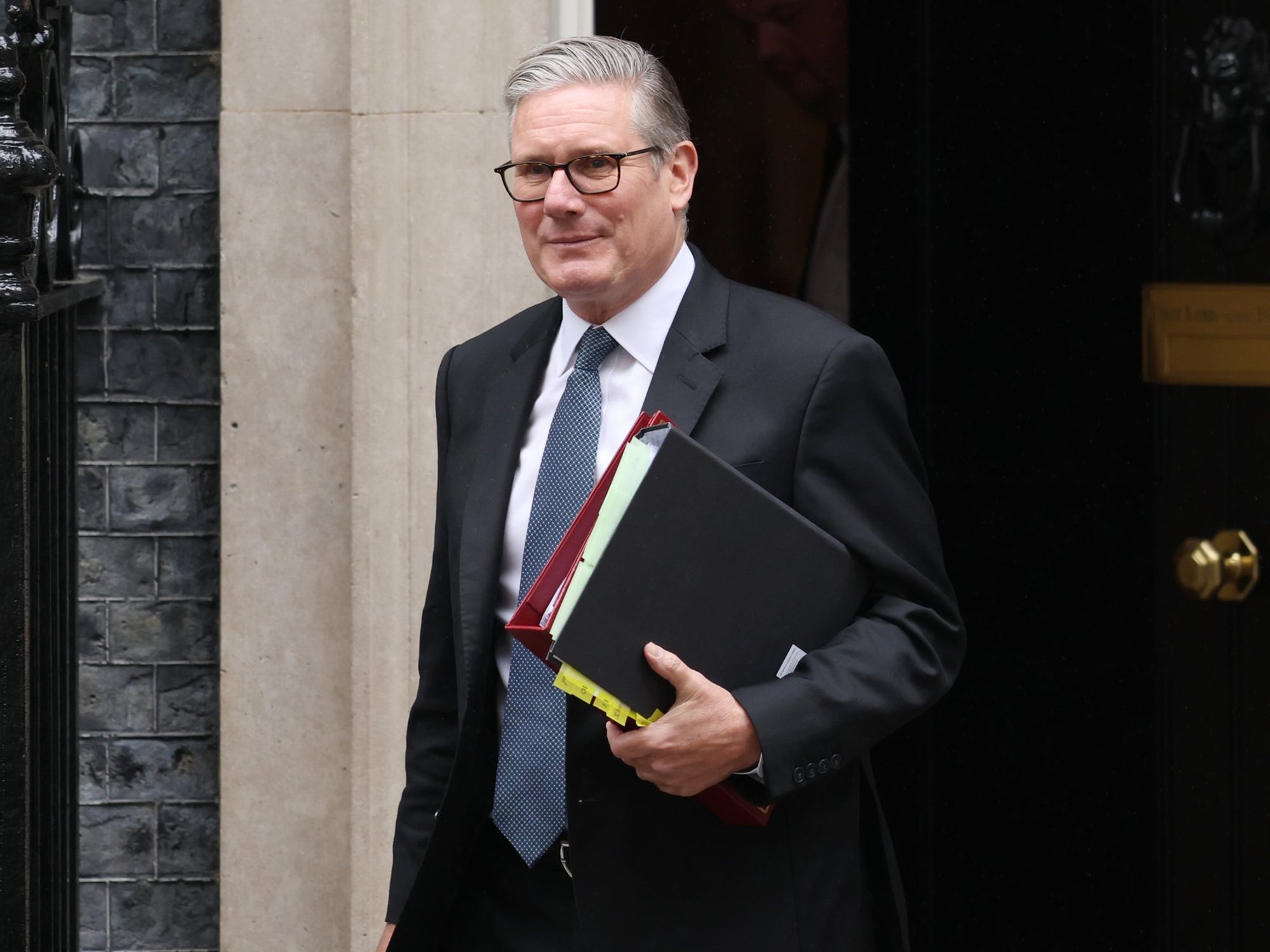
Prime Minister Keir Starmer says the government is "laying the groundwork for further action," though any major changes like mandatory age checks for some of the best VPN providers will still need Parliament's approval before becoming law. For those who don't know, VPNs use military-grade encryption to hide the websites that you visit — as well as the amount of time spent on them.
VPNs have long been essential downloads in enterprise, since they stop hackers, governments, and criminals from snooping on online activity or personal data. However, in recent years, record numbers of everyday people have turned to these security apps to supercharge their privacy too.
Plans to block access for millions of younger users have sparked controversy, with critics arguing the move could compromise their online safety and leave them at even greater risk.
Jessica Wilson, managing director of Eventum Legal, told GB News, "If access is restricted without providing replacement security or safeguarding, we could put children more at risk, instead of protecting them. The question shouldn’t be about whether young people are using VPNs, but why they feel the need to. Security policies shouldn’t inadvertently weaken cybersecurity in the name of safeguarding."
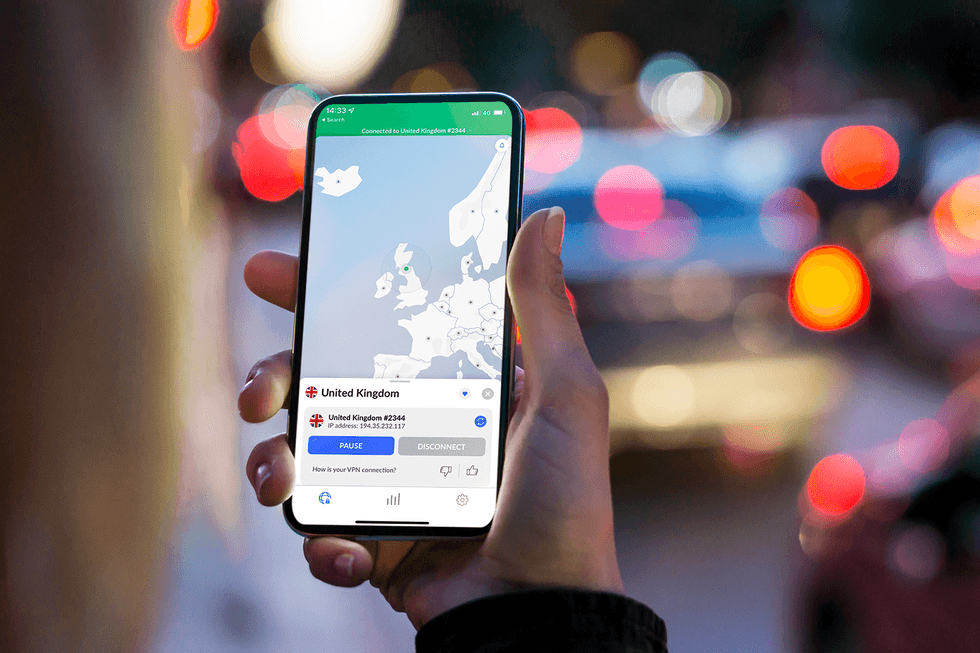 VPNs create an encrypted tunnel for everything you do online, keeping your personal data protected from cyber criminals, advertisers, and governments | NORDVPN PRESS OFFICE
 There's also a big question mark hanging over how the implementation of these types of bans would actually work in practice. For instance, it's still unclear how VPN providers would technically enforce age checks — and the companies themselves seem to be in the dark too.
When major providers, including NordVPN, Surfshark, Windscribe, and ExpressVPN, were asked about the proposals, they all said they'd be happy to talk to the government about it.
However, none of them had actually been contacted by ministers at the time the restrictions were first announced.VPNs are also deeply embedded in business systems and security setups, meaning blanket requirements could prove extraordinarily disruptive.
The government insists it's trying to strike the right balance here.
A spokesperson for the Department for Science, Innovation and Technology told TechRadar: "We recognise that VPNs serve legitimate purposes, including protecting privacy and security online. That's precisely why we're consulting to make sure we get this right."
They added that the department wants input from VPN providers and digital rights organisations to ensure any measures are "targeted and proportionate."
LATEST DEVELOPMENTS
How a VPN Protects Your Privacy
A VPN protects your privacy by securing your online activity from being tracked by your Internet Service Provider (ISP) or other third parties. When you use a VPN, your real IP address is hidden, and your connection is encrypted. This means the websites you visit and your browsing activity are not directly linked to your home IP address.
With age-verification systems potentially requiring identity checks or third-party verification services, some users worry about data retention and digital profiling. While a VPN does not remove age checks imposed by UK law, it does prevent your ISP from seeing which websites you access and helps limit additional tracking beyond the verification process itself.
Here are a few VPNs that can help protect your online privacy.
Secure your online privacy with ExpressVPN at its lowest ever price

With its new multi-tier subscription structure, ExpressVPN has never been more affordable
If you want to unlock reliable protection, the ExpressVPN Basic plan offers unlimited access to its award-winning reliable and ludicrously speedy VPN servers across the globe, it has cut monthly subscriptions by 82%. If you sign up for a 12-month plan, you'll be gifted with a generous 4 months of access to the award-winning VPN service for free. That equates to under 6 pence per day!
Get 82% off ExpressVPN
$9.99
$1.74
Secure your online privacy with a VPN subscription to NordVPN

Get all the security and support from a VPN provider that uses a RAM-only server. For a limited time, NordVPN is offering a generous 70% discount on its VPN subscriptions. That drops the effective monthly price of this award-winner to just £2.59. Since you'll need to commit to a two-year plan to unlock the maximum savings, Nord offers a 30-day money-back guarantee on all subscriptions.
NordVPN
$8.69
$2.59
Secure your online privacy with a VPN subscription to Surfshark

You can secure your online privacy with Surfshark. For a limited time, it's slashed 88% off its monthly cost and coupled that discount with three months of free access. You'll need to sign up for a two-year plan to unlock this saying, but with a 30-day money-back guarantee and 24/7 customer service, there's no risk for new customers
Surfshark
$12.29
$1.49
Are VPNs legal?
VPNs are legal. If you've been issued a company laptop to work remotely, the IT department will likely require you to use a VPN before you start a shift. Needless to say, this isn't against the law.
But while VPNs were once solely used in enterprise and government spheres, these apps are becoming increasingly popular with people across the world to improve personal online security. As all of us rely on the internet for more and more of our daily lives, VPNs are an essential way to enhance privacy, block advertisers from tracking your movements, unlock streaming TV shows and sports coverage, and even find cheaper flights.
VPNs, however, are illegal in 10 countries: China, Russia, Belarus, North Korea, Turkmenistan, Uganda, Iraq, Turkey, UAE, and Oman. If you're currently based in any of these nations or plan on visiting one soon, consider uninstalling any VPN apps from your devices.
Outside of these countries, VPNs are legal and can be used without restrictions.
But while it might be legal, it's worth noting that using a VPN might be against the Terms Of Service of some websites or mobile apps, so it's always worth checking the T&Cs to make sure you're in the clear.
More From GB News