


All products and promotions are independently selected by our experts. To help us provide free impartial advice, we will earn an affiliate commission if you buy something. Click here to learn more





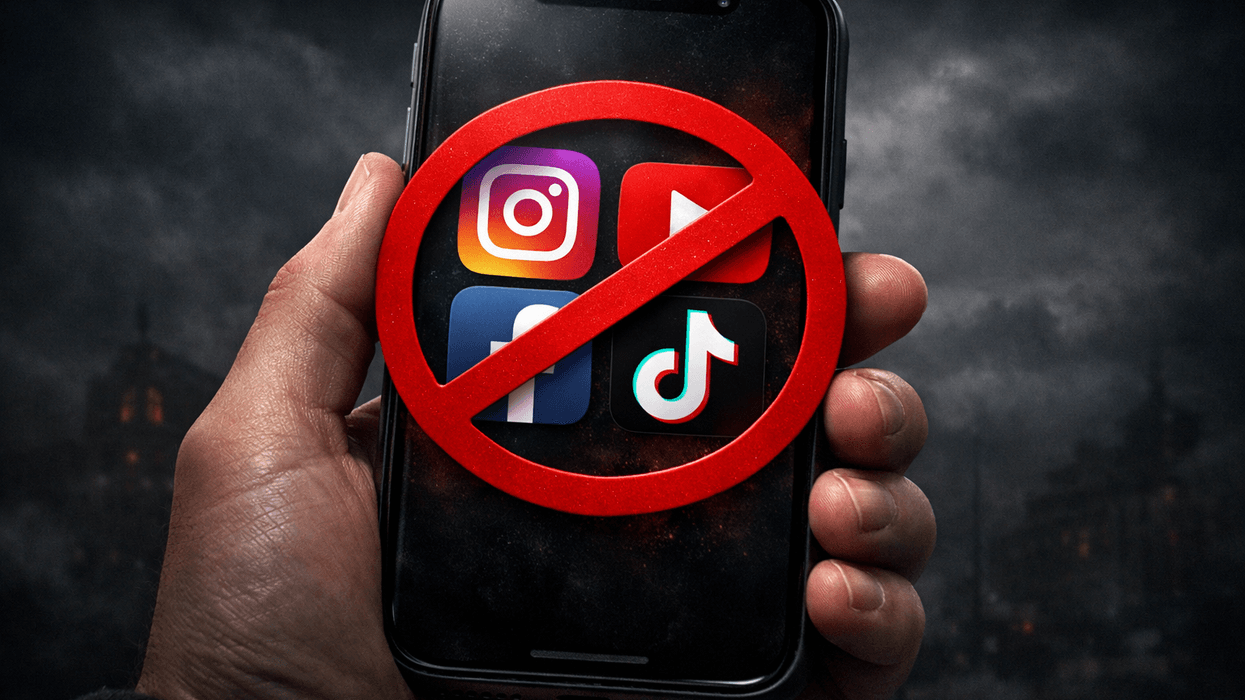
The Government is launching an experiment to determine if a social media ban will positively affect teenagers' daily lives. This arrives hot on the heels of a review into whether banning social media platforms for all those aged under 16 would be beneficial.
Ministers have set up a six-week trial where 300 children between the ages of 13 and 17 will test out possible social media bans, from a one-hour cap to an overnight blackout. MPs will review whether these restrictions make any difference to children's academic performance, sleep, and home life.
Although there are trepidations over how this will be conducted.
Mark Jones, Online Safety Act expert and Criminal partner at Payne Hicks Beach, said, “The pilot appears too narrow, focusing only on screen time and curfews, which risks oversimplifying the problem. How young people spend their time online also matters, not just how long. Any social media ban could increase the risk of young people devising workarounds."
Here's exactly how the Government plans to put their test into action.
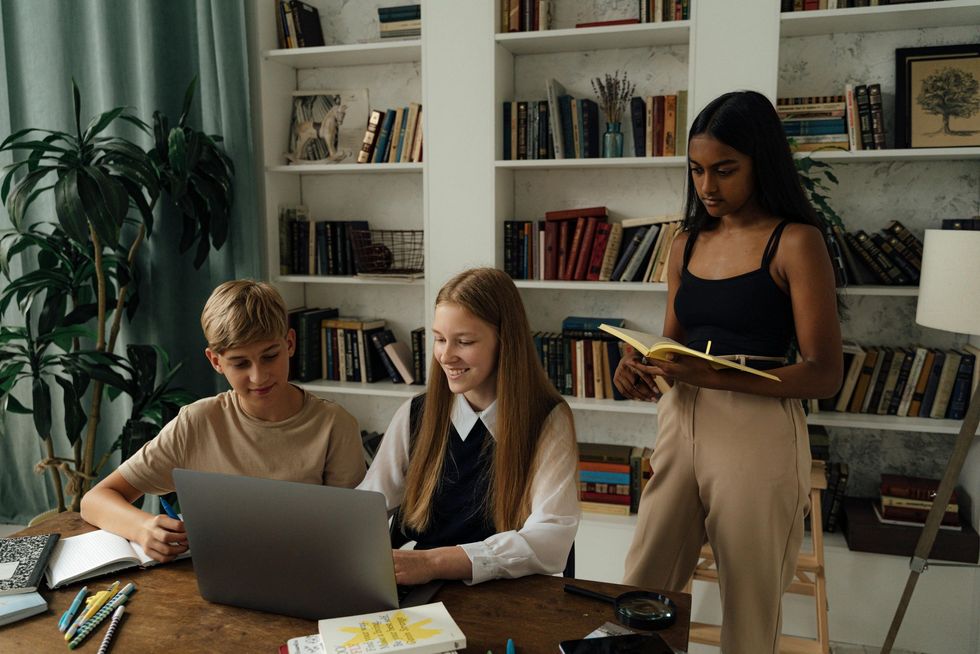
The Government's social media ban test will consist of four different groups being tested on different levels of social media limits
|PEXELS
Teenagers and their parents will be split into four different groups.
The first group will have parents use parental controls to completely block social media apps – an attempt to mimic how a full ban would feel.
Group two will have a one-hour daily cap on the major social media platforms like TikTok, Snapchat, and Instagram.
The third group will face an overnight blackout, with social media switched off between 9pm and 7am – so you can still scroll a bit before and after school.
However, the final group will carry on using social media exactly as they do now, giving researchers a point of comparison.
Families taking part will also sit down for interviews at the beginning and end of the trial, sharing how the restrictions affected them and any challenges they ran into along the way.
Technology Secretary Liz Kendall says, "We are determined to give young people the childhood they deserve and to prepare them for the future."
"This is why we are listening to parents, children and experts with our consultation, as well as testing different options in the real world. These pilots will give us the evidence we need to take the next steps, informed by the experiences of families themselves."
Despite the experiment taking place, teenagers have their own hesitations about the potential ban.
Children who would be affected by the social media ban if it is to be enforced have expressed their own hesitations
|PEXELS
A 15-year-old student told SimpleStudy, "As a teenager navigating the digital landscape, the proposed social media ban for under-16s raises a lot of concerns. We’re all connected online; social media is how we as teenagers stay in touch, a ban could serve these vital connections, impacting friendships and creating isolation.
"Academically, social media can be a distraction, but it also offers educational resources. More importantly, the pressure to maintain an online persona can affect your well-being. I’ve been trying to grow a platform, but recently I’ve been posting about studying as I am a junior cert student. I am trying to build a community where people can speak freely and be themselves, not only on my platform but on others too. This ban threatens that space, and it worries me and others."
Children under 16 living in the UK have also said they do not feel protected from harmful content — despite safety measures being reviewed and implemented. And fewer than one in six say that a blanket social media ban for anyone underage would make them feel safer online, according to new research from youth organisation Girlguiding.
This survey comes as parents and campaign groups have called for a social media ban for under-16s in the UK. The research revealed that children don't feel safe because of some of the content that regularly crops up online.
It found that almost one in four (24%) of the 2,000 young people polled said they do not feel in control of what appears on their social media feed, and two in five (40%) said they have seen violent or upsetting videos online.
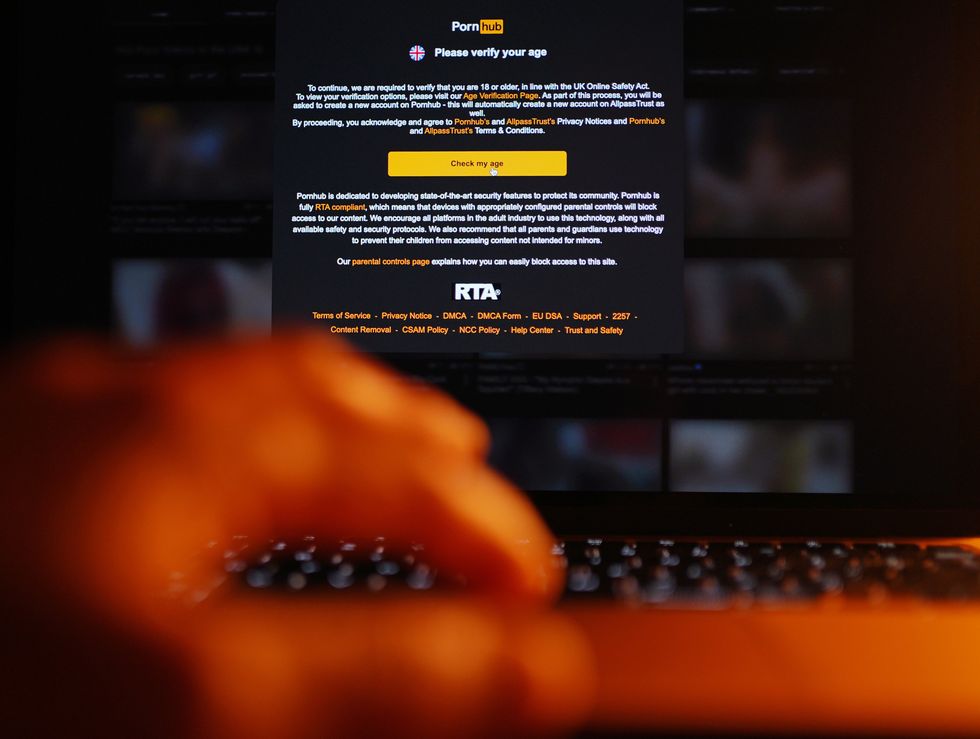 The UK's Online Safety Act is meant to prevent children from accessing harmful online content | PA
Girlguiding chief executive Felicity Oswald said: "Young people are clear that they don’t think technology is safe, however, they also recognise its benefits. It is crucial they are part of this important national conversation, especially girls who are often more likely to experience sexist and misogynistic online harms.
"Our approach to online safety must support young people, not make them feel punished. As the consultation gets underway, we look forward to ensuring any government policies do not disproportionately impact girls or police their behaviours."
Australia recently became the first country to ban social media for children aged under 16.
The Online Safety Act adds strict age verification barriers to thousands of popular websites, forums, and social media services
|GETTY IMAGES
Some argue that, should the Labour Government decide to follow in the footsteps of the Australians, the outcomes would not always be positive for millions of young people living in the UK.
Girlguiding advocate Imogen, 15, said: “Should a ban come in, 16-year-olds would end up entering the digital world without any guidance to navigate it safely, which could be more dangerous and harmful. Platforms need to be made safer and young people be provided with the right online safety education.”
The experiment and review also come after the UK Government's roll-out of the Online Safety Act last summer — adding strict age verification barriers to thousands of popular websites, forums, and social media services. Britons must verify their age by providing a passport scan, a facial scan, or entering credit card details.
These restrictions were put in place largely to protect children from harmful, age-inappropriate content, including online pornography, material promoting self-harm, eating disorders, and suicide.
Jamie Hurworth, Online Safety Act expert and Dispute Resolution lawyer expert at Payne Hicks Beach, told GB News: "This government consultation is welcome as it is clear the conversation on child online safety needs to move on from the 2023 Online Safety Act, which brought in some protections but left many gaps especially around AI and immersive platforms which still put children at huge risk.
"An outright ban on social media is unlikely to work in practice, though, as it could simply push young people into unregulated spaces and thwart effective age verification.
"But, it’s encouraging to see ministers finally acknowledge that more needs to be done and are willing to explore a range of smarter, evidence-based options that can hopefully be implemented more rapidly.”
After the Online Safety Act was enforced, subscriptions to Virtual Private Networks (VPNs) skyrocketed to avoid the restrictions.
A VPN can reroute your device's internet traffic to a server in another country, making it appear as if you're currently located outside of the UK – essentially bypassing the new enforcements.
Prime Minister Keir Starmer says the government is "laying the groundwork for further action," though any major changes like mandatory age checks for some of the best VPN providers will still need Parliament's approval before becoming law.
VPNs have long been essential downloads in enterprise, since they stop hackers, governments, and criminals from snooping on online activity or personal data. However, in recent years, record numbers of everyday people have turned to these security apps to supercharge their privacy too.
Plans to block access for millions of younger users have sparked controversy, with critics arguing the move could compromise their online safety and leave them at even greater risk.
Jessica Wilson, managing director of Eventum Legal, told GB News, "If access is restricted without providing replacement security or safeguarding, we could put children more at risk, instead of protecting them. The question shouldn’t be about whether young people are using VPNs, but why they feel the need to. Security policies shouldn’t inadvertently weaken cybersecurity in the name of safeguarding."
Secure your online privacy with ExpressVPN at its lowest ever price

With its new multi-tier subscription structure, ExpressVPN has never been more affordable
If you want to unlock reliable protection, the ExpressVPN Basic plan offers unlimited access to its award-winning reliable and ludicrously speedy VPN servers across the globe, it has cut monthly subscriptions by 82%. If you sign up for a 12-month plan, you'll be gifted with a generous 4 months of access to the award-winning VPN service for free. That equates to under 6 pence per day!
Get 82% off ExpressVPN
$9.99
$1.74
How a VPN Protects Your Privacy
A VPN protects your privacy by securing your online activity from being tracked by your Internet Service Provider (ISP) or other third parties. When you use a VPN, your real IP address is hidden, and your connection is encrypted. This means the websites you visit and your browsing activity are not directly linked to your home IP address.
With age-verification systems potentially requiring identity checks or third-party verification services, some users worry about data retention and digital profiling. While a VPN does not remove age checks imposed by UK law, it does prevent your ISP from seeing which websites you access and helps limit additional tracking beyond the verification process itself.