










Scientists are identifying new species at an unprecedented pace, according to fresh research from the University of Arizona.
Researchers have documented more than 16,000 previously unknown organisms annually
The study, published in Science Advances, analysed taxonomic records covering approximately two million species across all major life forms.
Between 2015 and 2020, the research team found that the annual rate of species documentation reached its highest point in history.
TRENDING
Stories
Videos
Your Say
"Some scientists have suggested that the pace of new species descriptions has slowed down and that this indicates that we are running out of new species to discover, but our results show the opposite," said Professor John Wiens from the university's Department of Ecology and Evolutionary Biology.
"In fact, we're finding new species at a faster rate than ever before."
During the five-year period examined, the discoveries comprised more than 10,000 animals each year, with arthropods and insects making up the largest proportion.
Researchers also documented roughly 2,500 plant species and approximately 2,000 fungi annually. Crucially, the rate at which scientists are finding new life forms vastly exceeds the speed at which species are disappearing.
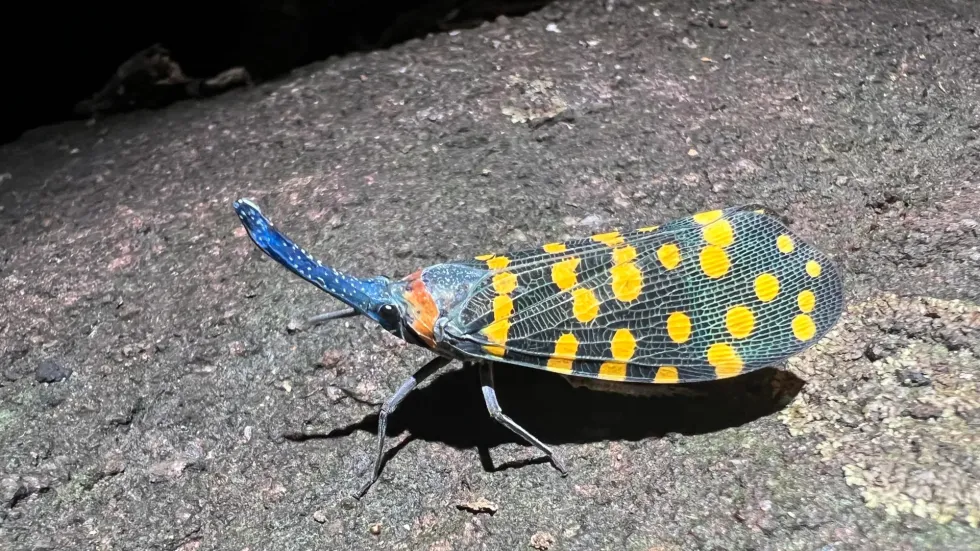
A Lanternfly from India was discovered this year
|JOHN J WIENS
"Our good news is that this rate of new species discovery far outpaces the rate of species extinctions, which we calculated to about 10 per year," Professor Wiens explained, referencing separate research he led published in October.
The newly identified organisms extend well beyond microscopic life, encompassing insects, plants, fungi and even hundreds of vertebrate animals each year.
The researchers used long-term discovery trends to project how many species might actually exist on Earth.
Their estimates suggest fish diversity could reach 115,000 species, nearly triple the roughly 42,000 currently described, whilst amphibian numbers may climb to 41,000 compared with the 9,000 known today.
LATEST DEVELOPMENTS
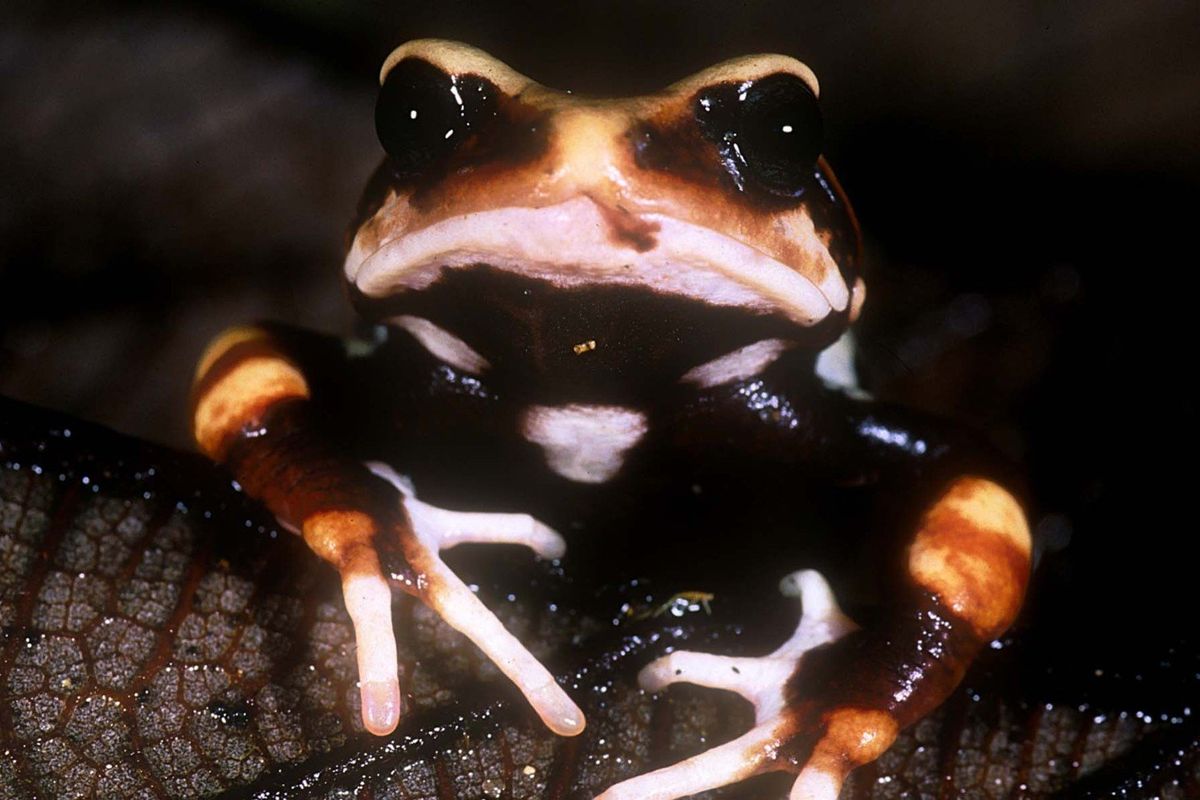
Nectophrynoides saliensis, Nectophrynoides uhehe and Nectophrynoides luhomeroensis were discovered
|Michele Menegon
Plant species could number more than half a million, according to the projections.
"Right now, we know of about 2.5 million species, but the true number may be in the tens or hundreds of millions or even the low billions," Professor Wiens noted.
Advances in molecular analysis are expected to accelerate discoveries further, particularly for organisms that appear identical but differ at the genetic level.
This technique shows particular promise for identifying previously unrecognised bacteria and fungi.
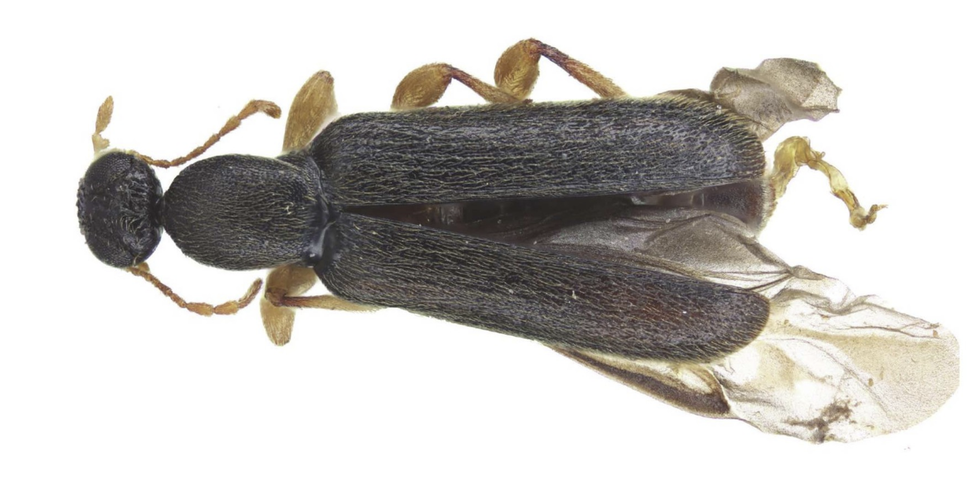
The new species of beetle has been named Macratria durrelli as a tribute to the famous naturalist Gerald Durrell
|D TELOV
Identifying and formally describing new species represents a critical first step in conservation efforts, as organisms cannot be protected if their existence remains unknown to science.
Beyond preservation, newly discovered species offer significant potential for human advancement.
Natural compounds derived from living organisms have already yielded important medical breakthroughs.
This includes GLP-1 receptor agonists used in popular weight-loss medications, which were inspired by a hormone found in Gila monsters.
Researchers are currently investigating substances from spider and snake venoms, as well as compounds produced by plants and fungi, for their potential applications in treating pain, cancer and other conditions.
Nature also serves as a blueprint for technological innovation, with gecko feet inspiring the development of advanced adhesive surfaces.
"We're still just scratching the surface of what these species can do for humanity," Professor Wiens said.