










Archaeologists believe they may have found the remains of a hall belonging to the last Anglo-Saxon King of England.
Harold Godwinson's death in 1066, at the hands of William the Conqueror, marked the end of the 400-year-long Anglo-Saxon era.
The Battle of Hastings, in which King Harold was killed, dawned the rise of the Normans, who fundamentally changed English culture, language, and governance.
Following his victory, William the Conqueror removed many of the traces of King Harold and his predecessor's reigns, as he looked to consolidate his power in Britain.
Now, archaeologists believe they have found a rare sign of King Harold's wealth through the discovery of a large hall and a stash of jewellery.
The team also found evidence of a malthouse and a sunken tower, suggesting the site could have held wealth and influence fit for royalty.
The excavation site is at Skipsea Castle in East Riding of Yorkshire, which is a motte-and-bailey castle built on an ancient lake by the Normans around 1086.
University of York lecturer, Dr Jim Leary, is co-leading the team, which has embarked on a six-year project to excavate the site.
At first, the team found charred seeds surrounding a tandoori-style oven, indicating that it was part of a malthouse where beer would have been made.
Later, the base of a tower that had sunk into the ground was discovered, alongside postholes and a cellar. According to Dr Leary, the original floor of the building dates back to the period 750 and 850 AD.
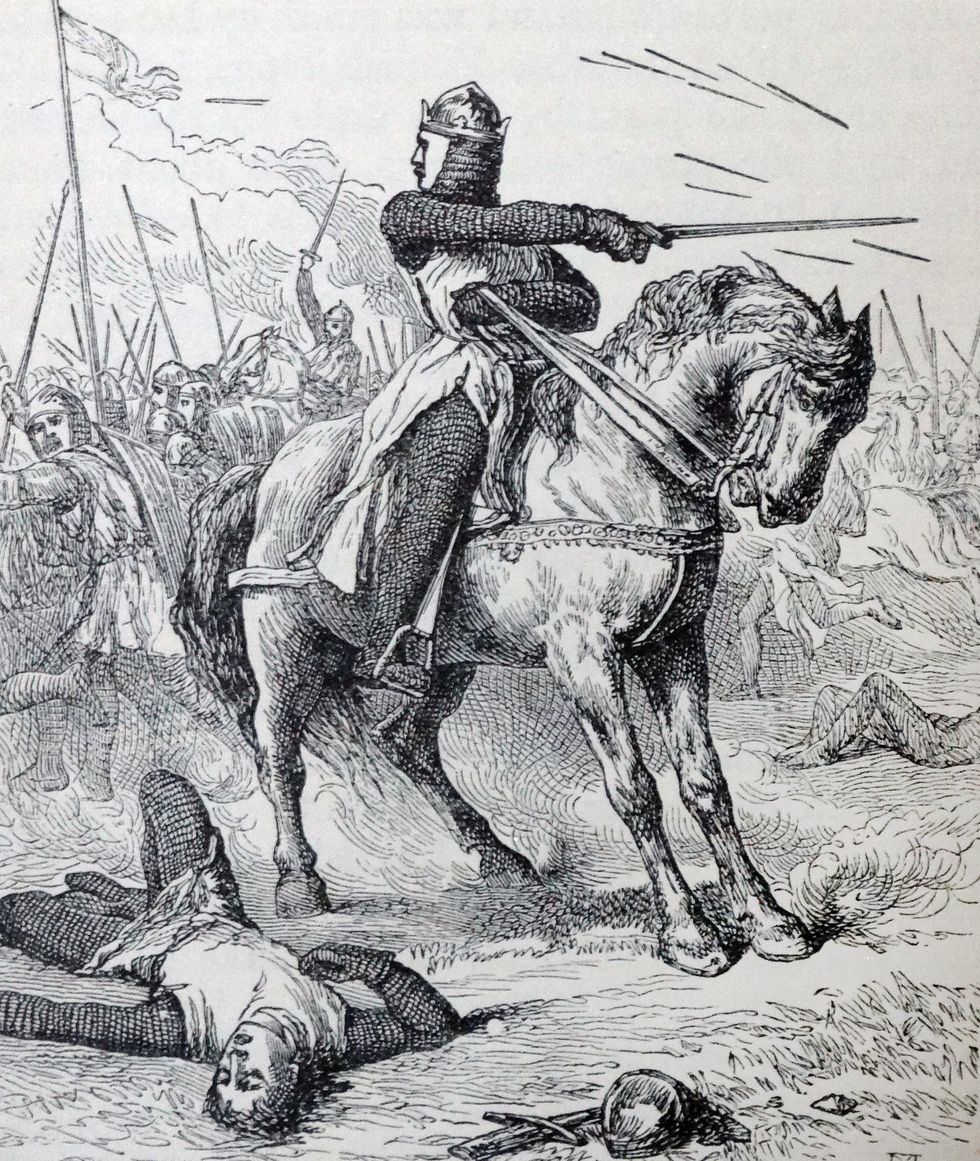
King Harold II was killed during the Battle of Hastings in 1066, marking the end of the Anglo-Saxon era
|GETTY
Dr Leary told The Mail: "The tower is an indicator of a high-status site, the Malthouse is also an indicator of high-status. It is not the sort of thing that is normally found.
"This tells us that it is probably a lordly centre. We know that the land was owned by Harold Godwinson, but we don't know that he ever visited it.
"The tower may relate to Godwinson, as he did have a similar tower in Bosham in Sussex. We know he had it because it was depicted in the Bayeux Tapestry."
But the team's discoveries did not stop there - evidence of a large timber hall, built on top of the malthouse, was found, where politics, poetry and feasts are believed to have been held.
LATEST DEVELOPMENTS
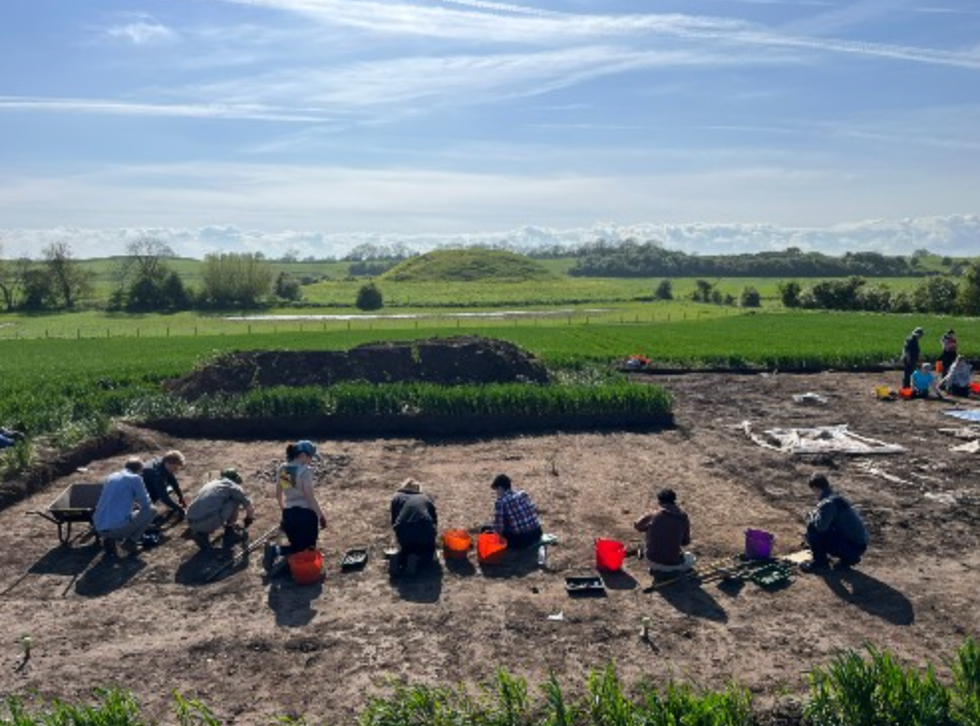
The team are excavating at Skipsea Castle in East Riding of Yorkshire
|UNIVERSITY OF YORK
However, Dr Leary believes the "standout find" so far is a piece of worked amber which was being prepared for jewellery.
This confirmed their theory that the site was a place where luxuries were enjoyed by wealthy aristocrats, according to Dr Leary.
Dr Elaine Jamieson, who is Dr Leary's co-lead on the site, said they had been surprised by the discoveries made already.
She said: "We definitely were surprised in the sense that we thought there might be a hall there. The nature of archaeology is you don't always find what you're looking for, so it was surprising.
"But the other two structures, the malthouse, we had no inclination that was there and the sunken tower structure is a very rare building.
"There are very, there's only a few of them that have actually been excavated, so that was a real surprise. We had no idea that was there as well, so that's really exciting."
The dig is featured in the new series of BBC show Digging for Britain, which is set to be released in January.
Our Standards: The GB News Editorial Charter