










Massive stone pillars scattered throughout the Armenian highlands were erected by members of an ancient cult devoted to water worship more than 6,000 years ago, a new study has revealed.
Known locally as vishaps, which translates as "dragon stones", these monuments date back nearly a millennium before England's Stonehenge megalithic structure was constructed.
The animal-shaped monoliths can be found throughout Armenia's mountainous terrain and surrounding nations.
Archaeologists conducting the first comprehensive examination of these structures have determined their creators held water as a central element of their religious beliefs and practices.
TRENDING
Stories
Videos
Your Say
The findings appear in a study published in the journal NPJ Heritage Science.
The stone pillars range in height from 1.1 metres to 5.5 metres and were fashioned from locally available materials including basalt and andesite rock.
They stand at various points across the highlands between elevations of 1,000 metres and 3,000 metres above sea level.
Researchers discovered the monuments are concentrated within two distinct altitude zones rather than being randomly distributed.
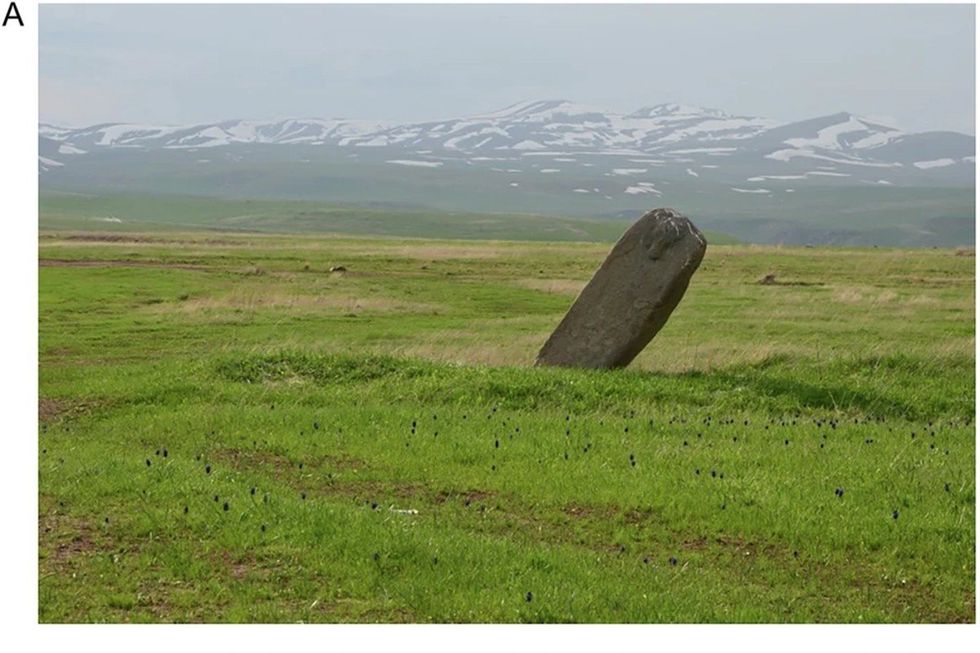
The vishaps come in various shapes and sizes
|NPJ HERITAGE SCIENCE
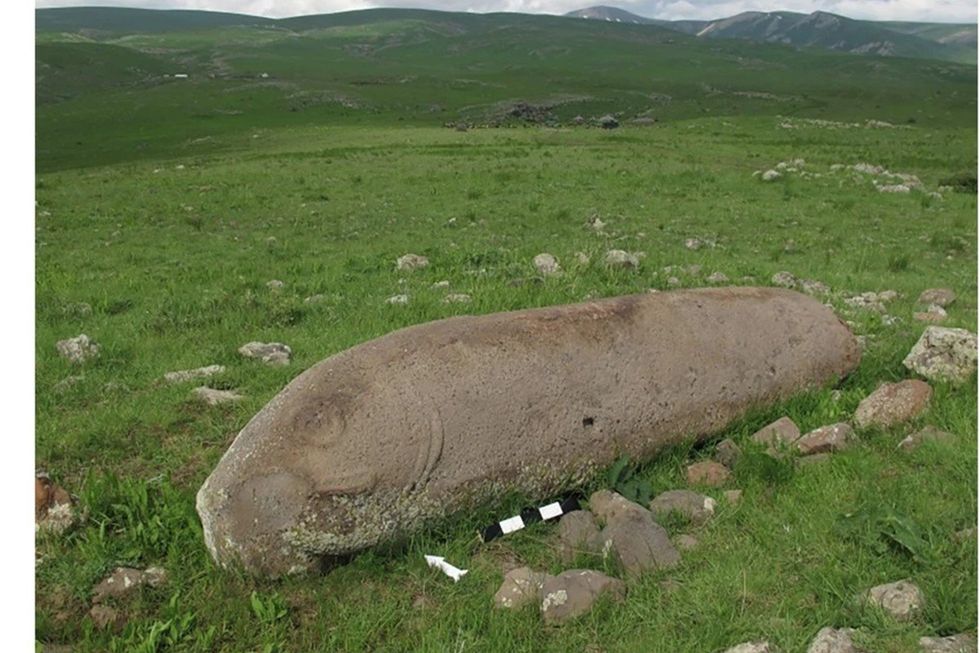
Some vishaps are carved into fish shapes
|NPJ HERITAGE SCIENCE
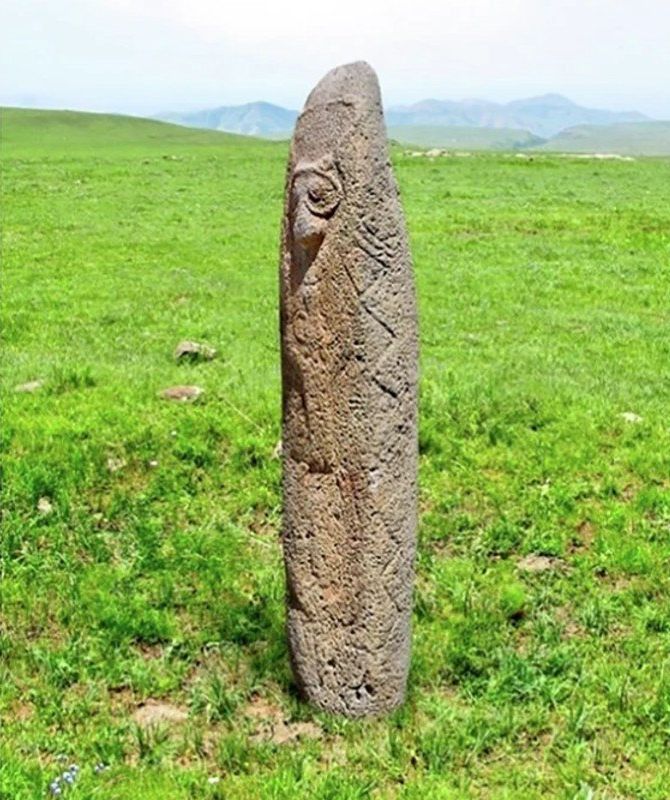
The stone pillars range in height from 1.1 metres to 5.5 metres
|NPJ HERITAGE SCIENCE
One cluster appears at approximately 1,900 metres elevation, whilst the second grouping is found around 2,700 metres above sea level.
How the region's ancient inhabitants managed to transport these substantial pillars across such challenging mountainous landscape and erect them vertically remains unexplained.
The considerable effort required to move the stones to higher elevations suggests these monuments held profound cultural or religious significance for their builders.
Investigators employed geographical information system mapping alongside three-dimensional modelling and statistical analysis techniques to examine 115 of these pillars distributed across the highland region.
LATEST DEVELOPMENTS:
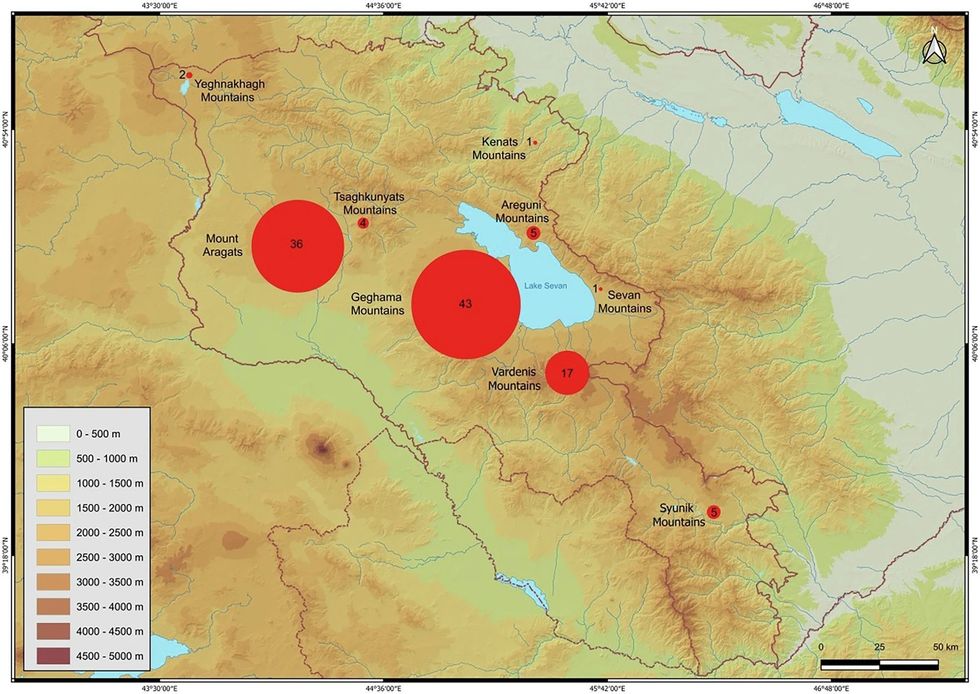
Distribution of vishaps in the Armenian Highlands
|NPJ HERITAGE SCIENCE
Their systematic approach uncovered distinct patterns in the placement of the monuments.
The vishaps were carved in three forms: resembling fish, shaped like stretched cattle hides, or displaying hybrid designs that merged both motifs.
Analysis revealed the vast majority of these structures stand near sources of water, including thermal springs, ancient irrigation networks, streams fed by snowmelt, and volcanic crater formations.
"The findings support the hypothesis that vishaps were closely associated with an ancient water cult as they are predominantly situated near water sources, such as high-altitude springs and discovered prehistoric irrigation systems," researchers noted in the study.
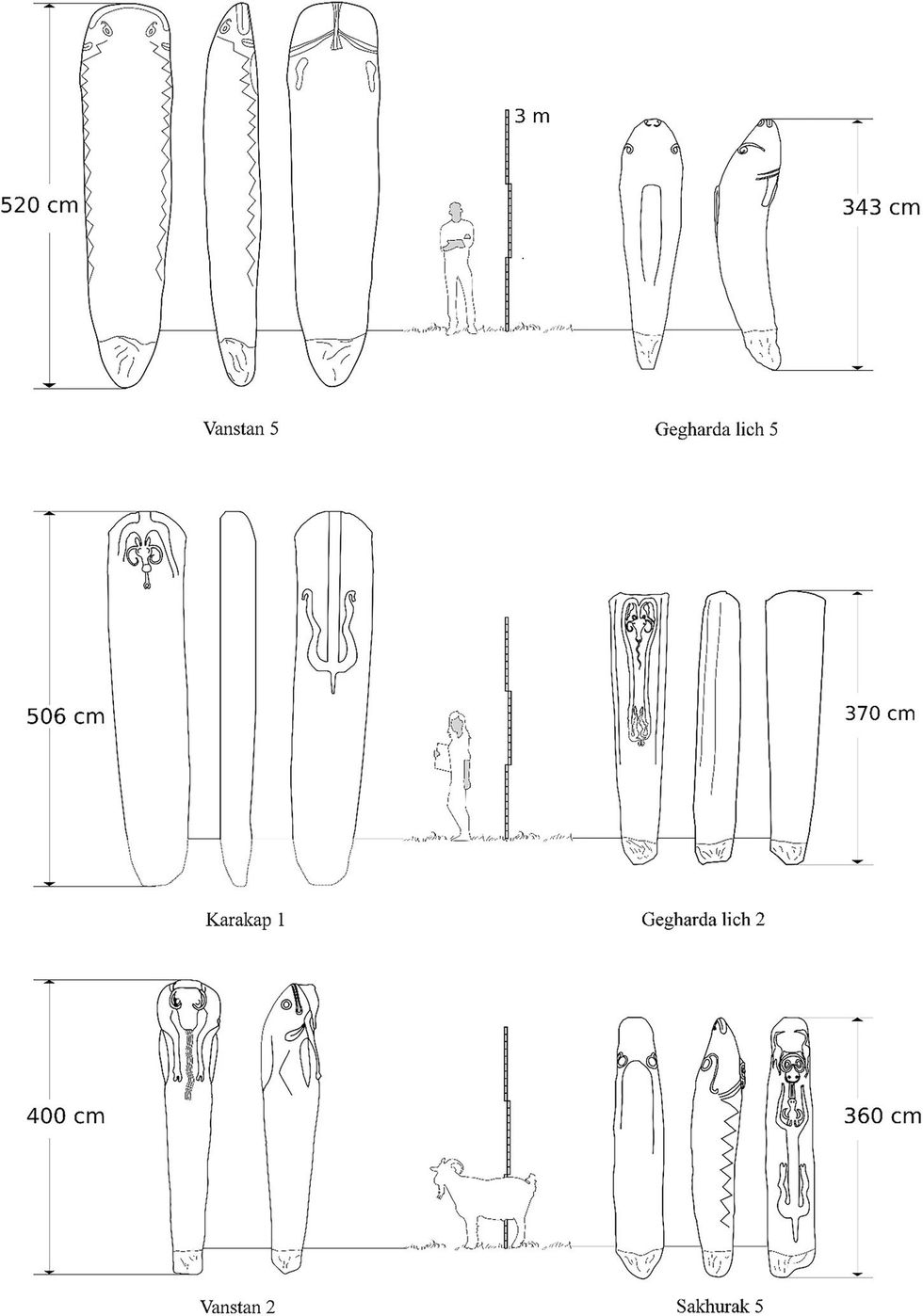
The vishaps vary in size
|NPJ HERITAGE SCIENCE
This distribution pattern strongly indicates the monument builders belonged to a religious community that regarded water as essential to life.
Scientists believe the two-tiered altitude arrangement reflects distinct environmental zones within the highlands and corresponds to the seasonal migrations of populations moving through the mountains in search of grazing land for their livestock.
The fish-form pillars predominate at the uppermost elevations, positioned alongside natural springs that receive water from melted snow.
In contrast, the hide-shaped monuments appear at lower altitudes where water resources supported agricultural activities.
"The unexpected bimodal distribution of their altitudes suggests specific placement patterns, potentially linked to seasonal human activities or ritual practices," the new study notes.
Our Standards: The GB News Editorial Charter