










Scientists have unearthed a peculiar prehistoric creature featuring a contorted jaw and teeth that faced sideways rather than upwards.
The animal's mouth appeared so unusual that researchers believed it must have suffered from some form of abnormality.
Only after discovering eight additional specimens with identical jaw structures did the team conclude this was the creature's natural look.
Named "Tanyka amnicola", this species inhabited modern-day Brazil around 275 million years ago.
TRENDING
Stories
Videos
Your Say
The animal belongs to the tetrapod group, which encompasses four-limbed vertebrates including modern reptiles, birds, mammals and amphibians.
Researchers at the Field Museum determined its peculiar jaw structure meant it had to eat in an unusual way.
Its lower jaw featured a twist that caused the teeth to project outwards to either side instead of pointing upward.
The portion of jawbone that would typically face the tongue in humans instead pointed towards the roof of the mouth in Tanyka.
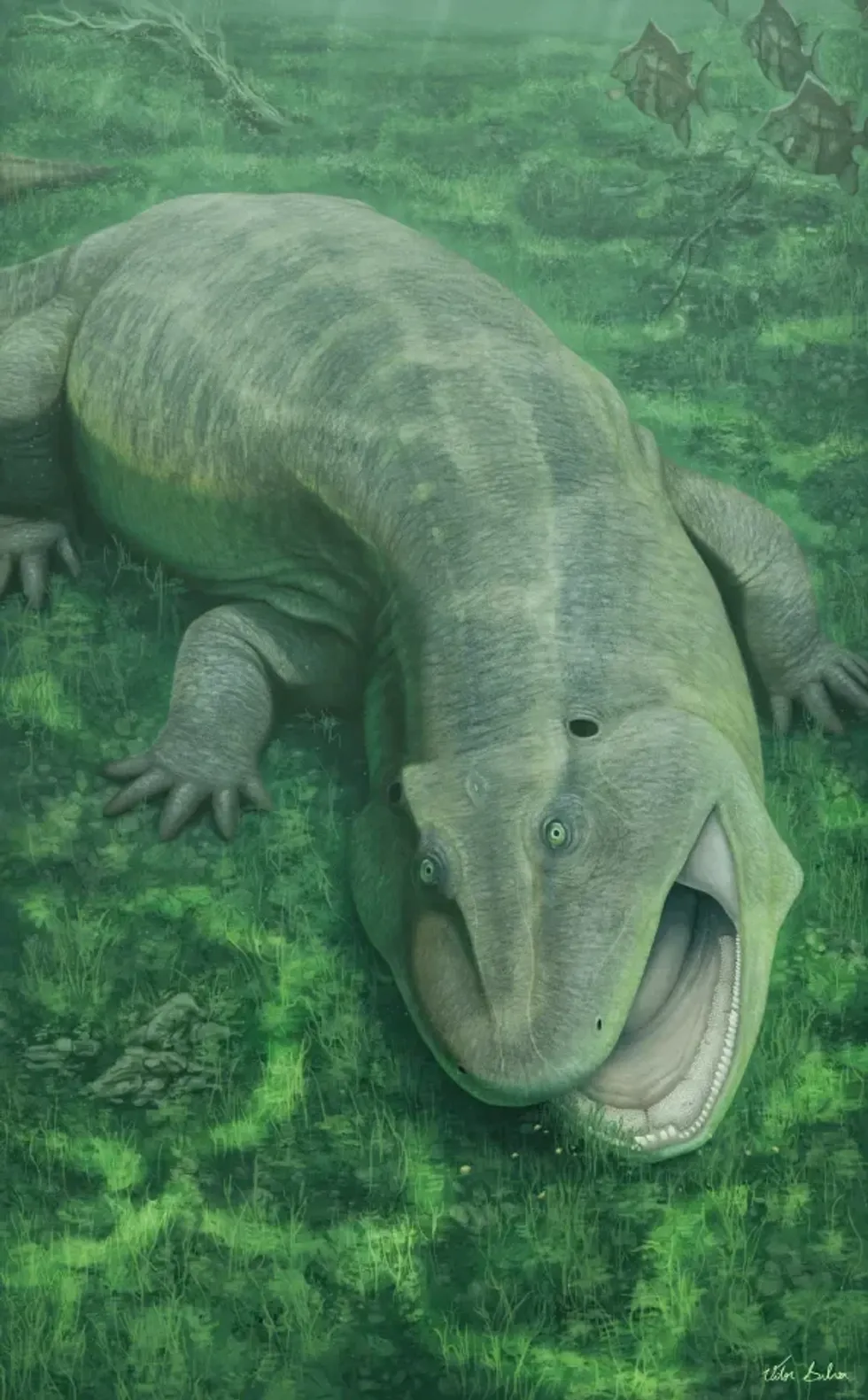
Researchers at the Field Museum determined its peculiar jaw structure meant Tankya had to eat in an unusual way
|VITOR SILVA
This surface was covered with tiny teeth known as denticles, creating a grinding texture resembling a cheese grater.
Rather than chewing their food conventionally, these creatures ground it against their teeth, making them pioneers of this feeding technique.
"Tanyka is from an ancient lineage that we didn't know survived to this time, and it's also just a really strange animal," said Jason Pardo from the Field Museum in Chicago, who headed the research.
"The jaw has this weird twist that drove us crazy trying to figure it out."
REMARKABLE FINDS - READ THE LATEST:
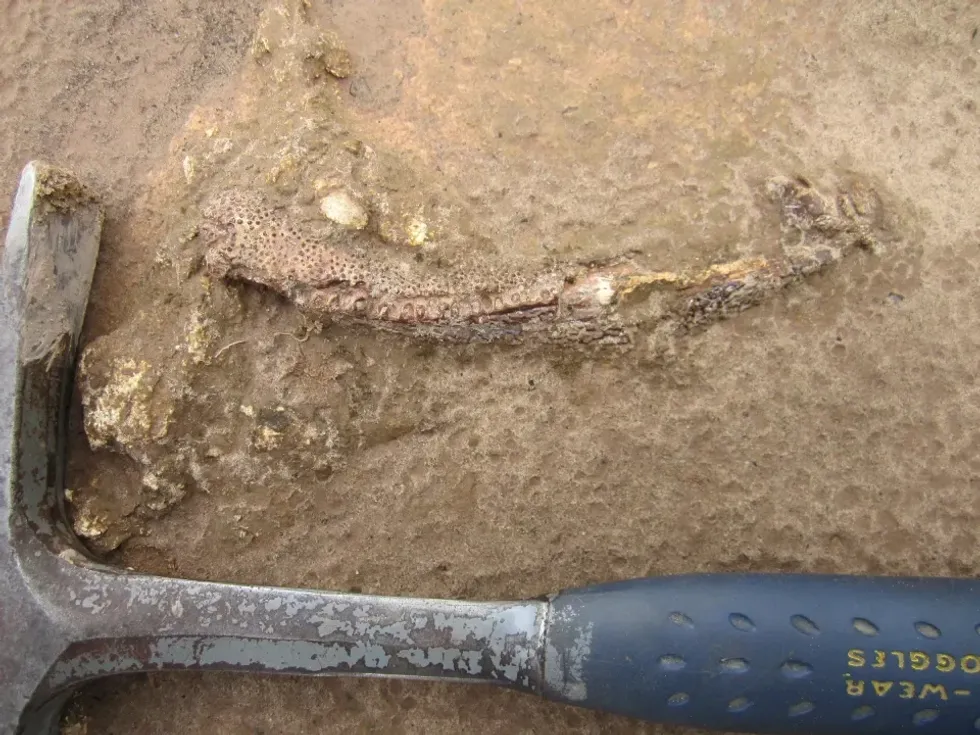
The animal's mouth appeared so unusual that researchers believed it must have suffered from some form of abnormality
|KEN ANGIELCZYK/FIELD MUSEUM
"We were scratching our heads over this for years, wondering if it was some kind of deformation."
"But at this point, we've got nine jaws from this animal, and they all have this twist, including the really, really well-preserved ones."
"So it's not a deformation, it's just the way the animal was made."
Much about Tanyka amnicola remains unknown to scientists.
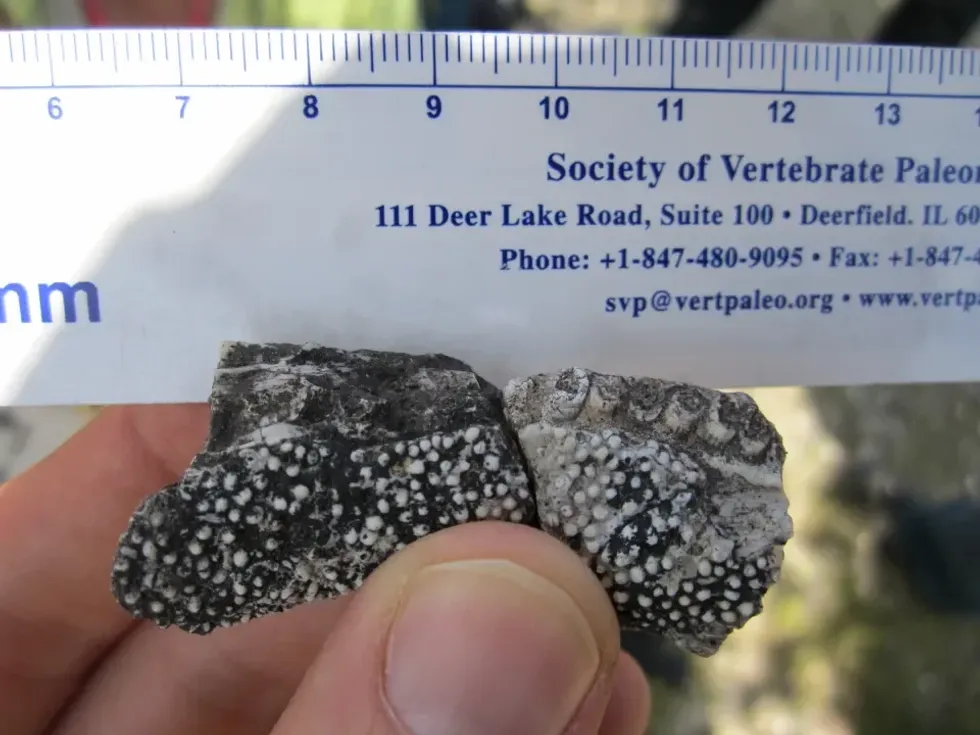
This surface was covered with tiny teeth known as denticles, creating a grinding texture
|KEN ANGIELCZYK / FIELD MUSEUM
The creature's overall appearance presents the greatest mystery, as only jaw fossils have been recovered thus far.
Researchers estimate the animal may have reached lengths of up to three feet and likely dwelt in freshwater lakes.
When the animal roamed the Earth, the planet was experiencing a hot "greenhouse revival", enabling a surge in marine life.
Sea temperatures were around 25C on average, with oceans in tropical areas rising to 42C.
Our Standards:
The GB News Editorial Charter