

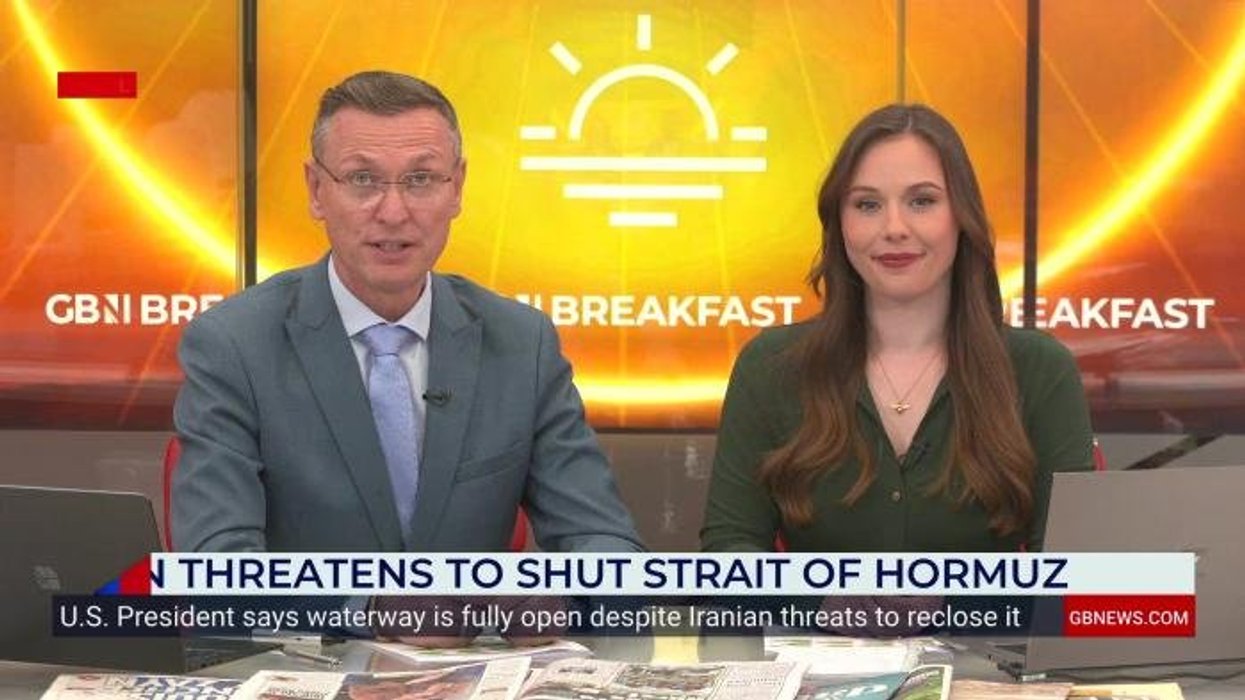





Iran's state broadcaster IRIB has confirmed Tehran has "now closed" the Strait of Hormuz after they claimed the US "did not fulfill their obligations".
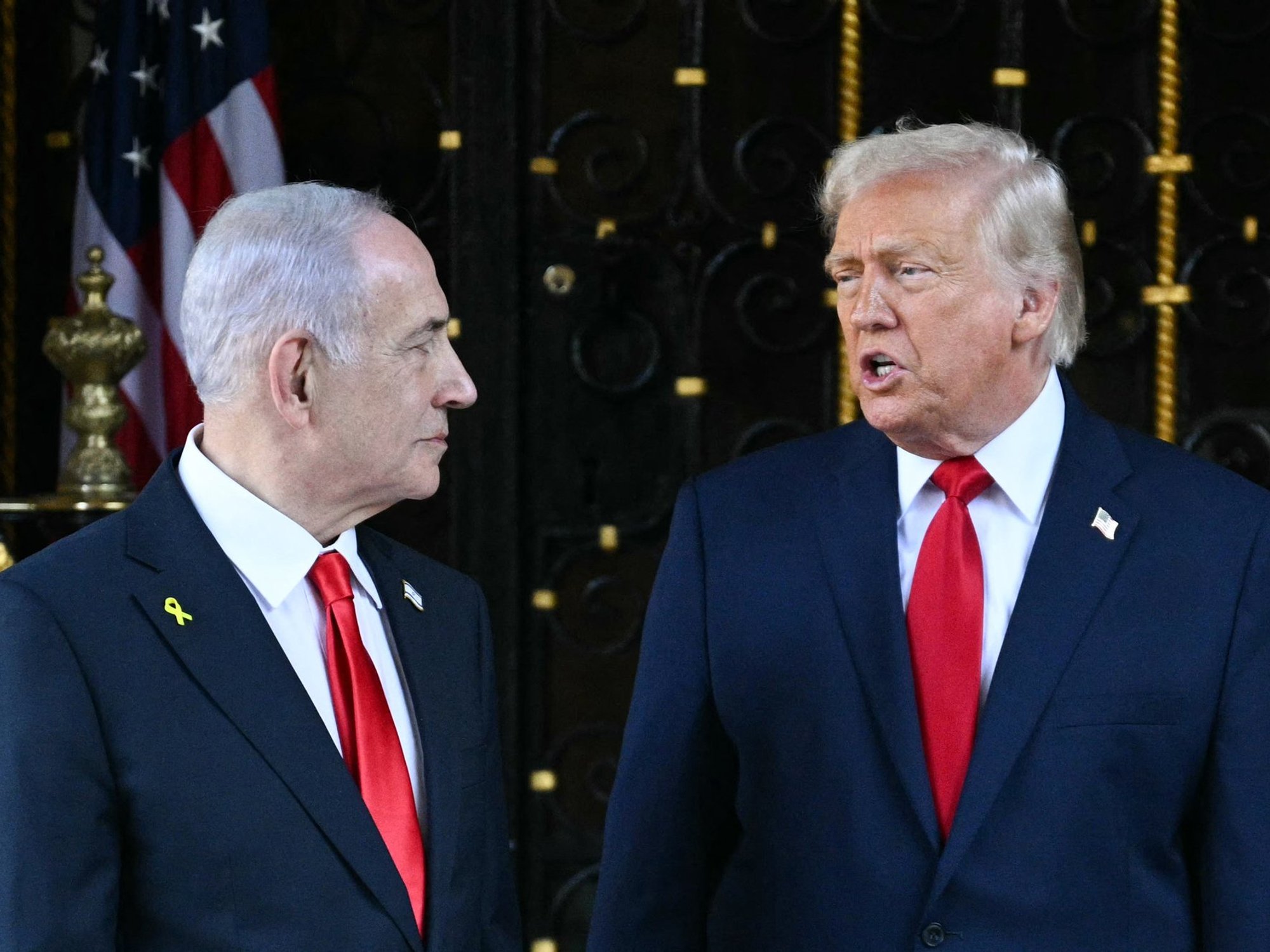
It comes just hours after Donald Trump announced the key waterway was "completely open".
In a statement, the military said that the strait had "returned to its previous state" and requires Iran's approval to travel through.
The passage of water was effectively closed shortly after the start of America's attack on February 28.
TRENDING
Stories
Videos
Your Say
However, a convoy of oil tankers successfully traversed the Strait of Hormuz this morning, which Iran claims was in accordance with agreements.
MarineTraffic monitoring showed multiple vessels navigating the passage, including carriers designed for oil, liquefied petroleum gas and chemical cargo.
The movement represents the first significant transit of commercial shipping through the strait since hostilities commenced seven weeks ago.
Several ships were observed passing through in both directions at approximately 5am, indicating that the route remained accessible despite ongoing tensions between Washington and Tehran over the blockade.
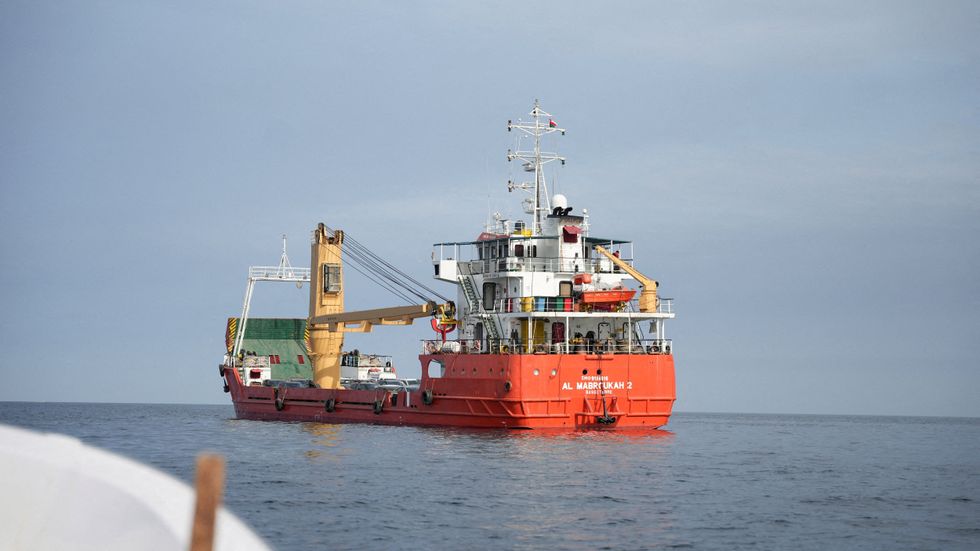
A convoy of oil tankers has successfully traversed the Strait of Hormuz, according to vessel tracking data
|REUTERS
Donald Trump has insisted the American naval blockade will remain "in full force and effect" until an agreement is reached, rejecting Iran's conditions for free passage.
Speaking aboard Air Force One whilst returning to Washington from Phoenix, Arizona, the US President significantly escalated his rhetoric.
Mr Trump told reporters: "Maybe I won't extend it [the ceasefire], but the blockade is going to remain. So you have a blockade, and unfortunately we have to start dropping bombs again."
The President warned that military action would resume if no deal was finalised before the temporary ceasefire expires at 1am on Wednesday.
LATEST DEVELOPMENTS
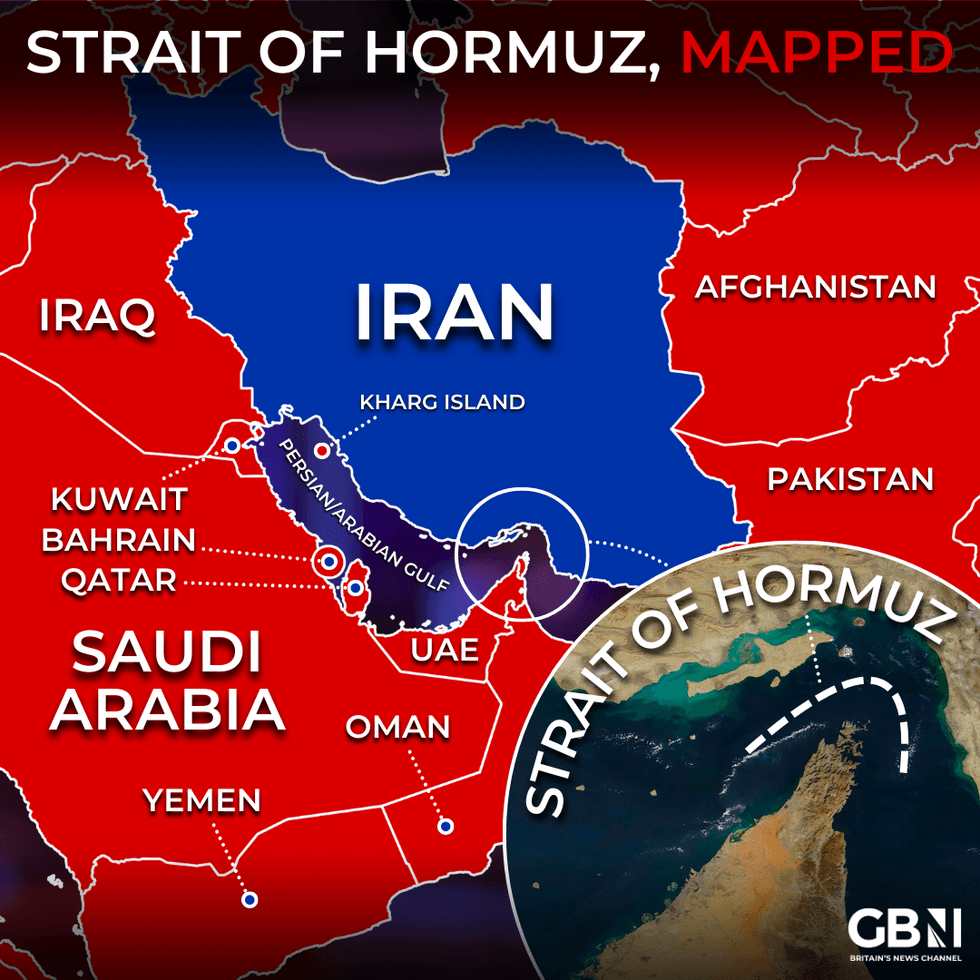 MAPPED: Where is the Strait of Hormuz? | GB NEWS
Mohammad Bagher Ghalibaf, speaker of Iran's parliament and a central figure in the ongoing peace negotiations, declared the waterway would "not remain open" whilst American forces maintained their blockade of Iranian ports.
The senior Iranian official accused President Trump of making seven "false" claims within a single hour, highlighting the deepening rift between the two nations over the terms of any potential agreement.
Tehran has said it cannot accept Washington's position that the blockade will continue until a deal is signed, setting the stage for a potential confrontation as the Wednesday deadline approaches.
Iran's top national security body says as long as the enemy applies a naval blockade, Iran will consider it a violation of the ceasefire and will prevent the conditional and limited opening of the Strait of Hormuz.
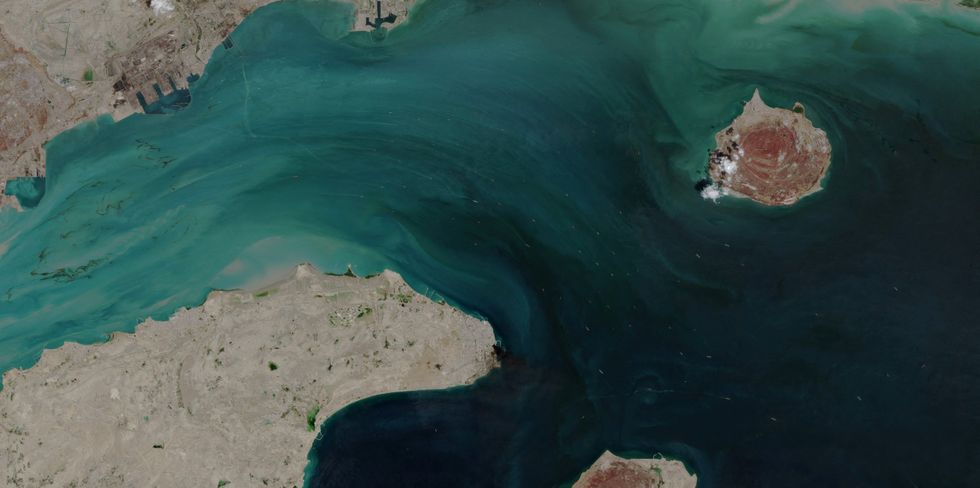
A satellite image shows the ship movement at the Strait of Hormuz
|REUTERS
The conflict has left hundreds of tankers stranded within the Persian Gulf, with the closure triggering sharp increases in oil, fuel and natural gas prices as shipments were choked off and regional producers were forced to reduce output.
US Central Command reported that 21 vessels had been compelled to turn back by American naval forces after attempting to exit the Gulf.
Iranian media outlets have suggested restrictions may still apply to certain traffic, with the Tasnim news agency reporting that ships and cargo linked to "hostile" nations would be denied passage.
The Fars news agency warned the strait would close again if the US blockade continued, characterising it as a ceasefire violation.
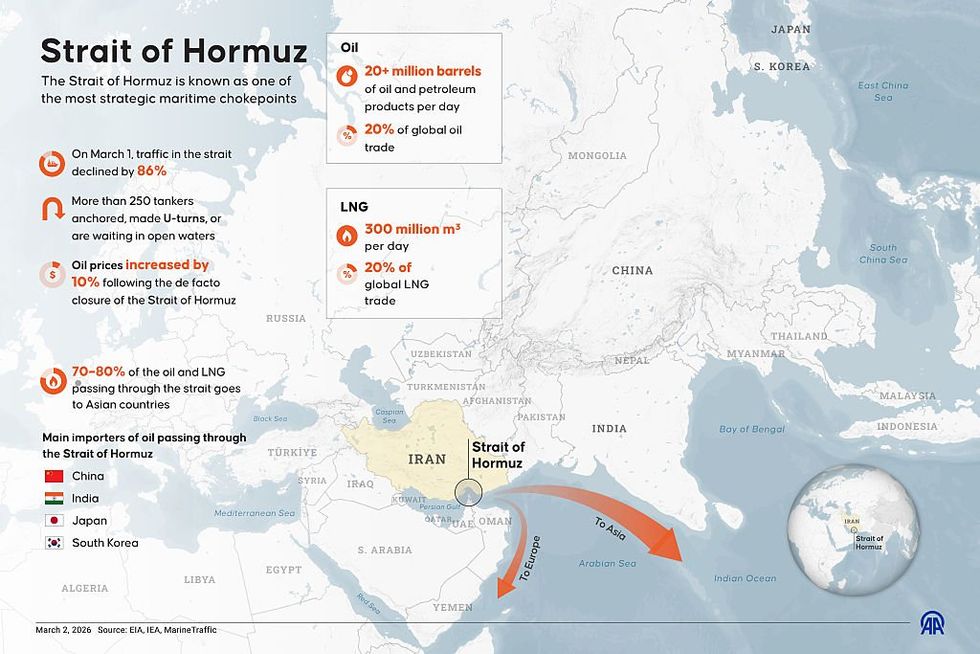 The Strait of Hormuz is one of the most important shipping routes in the world, especially for oil exports | GETTY
The UK and France have said they will "lead a multinational mission" to protect vessels travelling through the Strait of Hormuz "as soon as conditions allow".
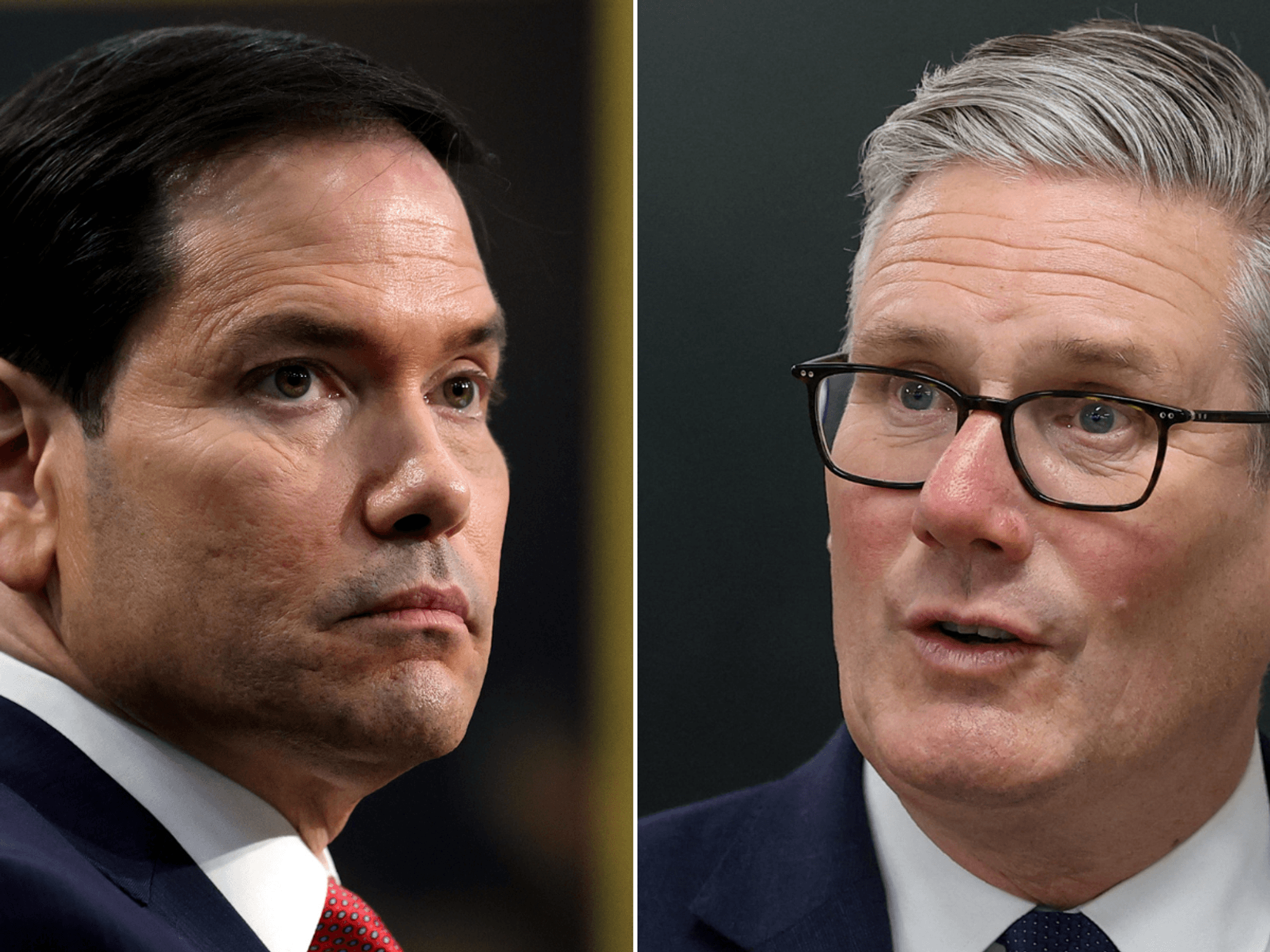
Speaking from Paris yesterday, Sir Keir Starmer said: "I can confirm that along with France, the UK will lead a multinational mission to protect freedom of navigation as soon as conditions allow.
"This will be strictly peaceful and defensive, as a mission to reassure commercial shipping and support mine clearance. We invite all nations with an interest in the free flow of global trade to join us. Some have already indicated their readiness to contribute.
"We will take this forward with a military planning conference in London next week where we will announce more detail on the composition of the mission, and over a dozen countries have already offered to contribute assets."
Our Standards: The GB News Editorial Charter