





A Native American man who helped the Mayflower pilgrims settling in America was secretly sold into slavery, a stunning new discovery has suggested.
Crumbling documents discovered in a Spanish archive have revealed that Squanto, a Native American figure credited with helping the Pilgrim Fathers survive their first years in America, was secretly sold into slavery in the port of Malaga.
The documents reveal that the Native American was sold as a slave in 1614, seven years before he met the colonists who would go on to found the Plymouth Colony.
The documents, unearthed in the Provincial Historical Archive in Malaga, appear to record the sale of 25 indigenous Americans by an English merchant to a Spanish monk, the Times reports.
TRENDING
Stories
Videos
Your Say
The transaction took place despite slavery of Native Americans being prohibited under Spanish law at the time.
Described as one of the most significant historical discoveries relating to the story of the Mayflower and the founding of America, this finding is the first primary evidence of Squanto's presence in Europe.
The documents were first discovered around 15 years ago by Purificación Ruiz Garcia, a retired archivist from Velez-Malaga, who came across them whilst researching Spain's 17th-century expulsion of Muslim converts to Christianity.
She described the handwriting as extremely difficult to decipher, with the documents themselves being ruined.
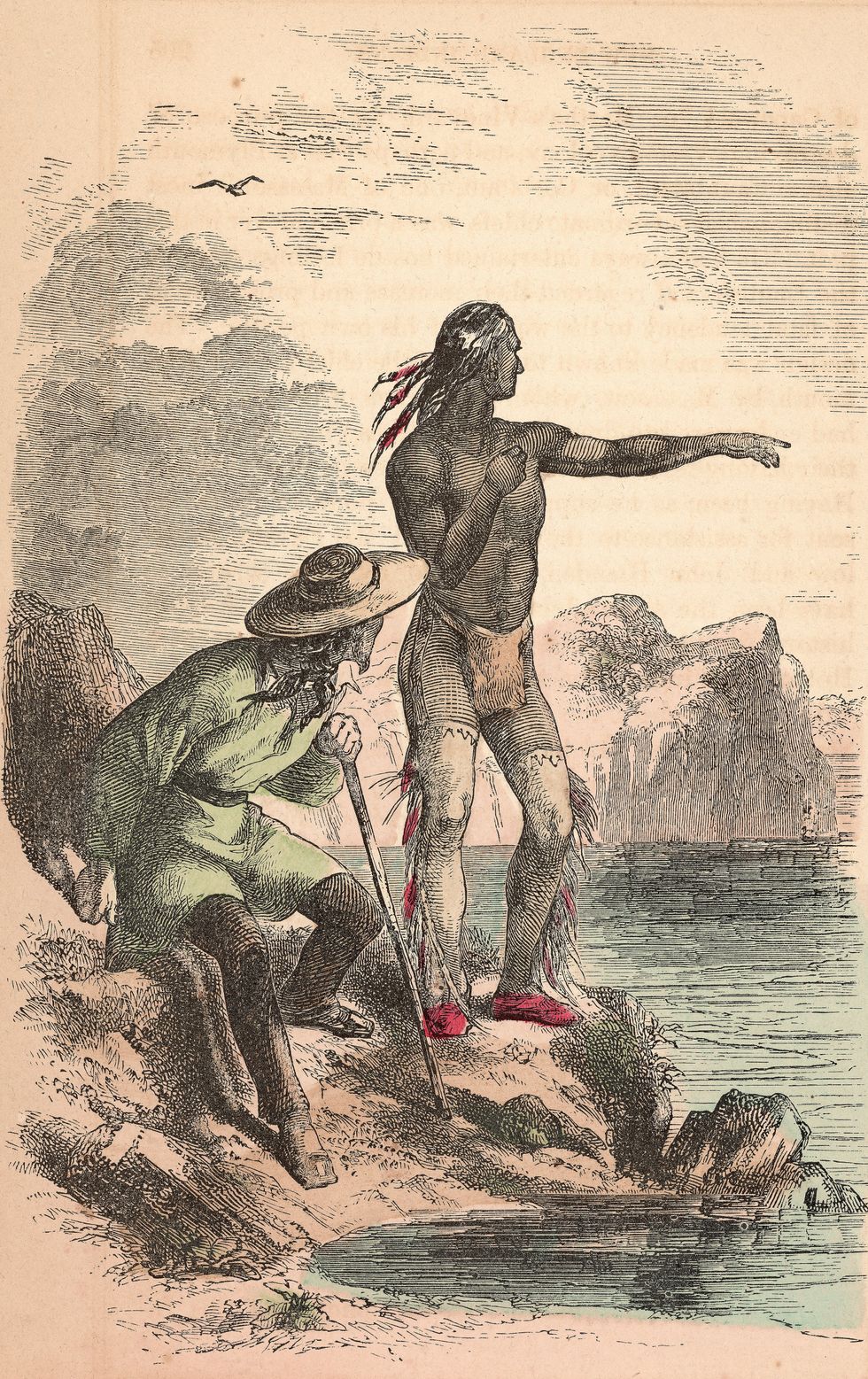
Tisquantum, more commonly known as Squanto, was a member of the Patuxet tribe of Wampanoags
|GETTY
The discovery may have remained largely unknown had it not been for two American tour guides, Tom Ruby and Alan Cornett, who came across a brief study by Ruiz Garcia in an obscure local journal during a visit to Malaga last week.
The pair turned up at the archive unannounced, speaking little Spanish, initially struggling to persuade staff to help.
However, archive investigator, Carmen Jurado, stepped in and located the correct volume for them.
Mr Ruby said: "There was a moment when we were told it wasn't possible. And then Carmen appeared - our hero."
LATEST DEVELOPMENTS
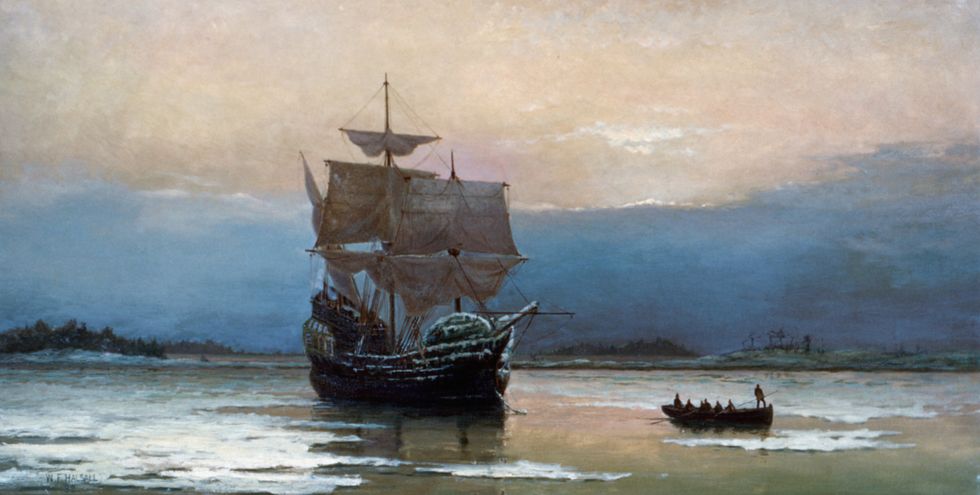
The Mayflower in Plymouth Harbor, Massachusetts, 1620. Painting by by William Halsall, 1882.
|GETTY
Staff digitised the documents and sent copies to the pair within days, with images subsequently posted online and attracting widespread attention from scholars and media.
The English merchant responsible for the captives' transportation was Thomas Hunt, master of an English ship.
He claimed in the notarised document that the indigenous people had come out to attack him in armed canoes while he was fishing for cod, forcing him to seize them in self-defence.
The shipmaster further claimed he had brought them to Spain out of Christian piety, not wishing to abandon them at sea and insisted in the document that it was his will that they should not be treated as slaves.
However, a second document records that the monk who received them, Juan Bautista Reales of the Church of the Holy Martyrs, paid Hunt 400 reales per captive, described as reimbursement for transportation costs.
Rafael Pérez García, a history professor at the University of Seville, said: “I have never documented the sale of indigenous people from North America in the 16th or 17th centuries, despite studying thousands of slave sale contracts.”
Mr Pérez García continued to explain the payment, roughly half the average price of a slave at the time, and the arrangement under which the captives were handed over to private individuals for eight years of service, puts the transaction in a legal grey area - distinct from outright slavery.
This case was closer to a system of so-called administration used for orphaned children.
Squanto's own later account contradicts Hunt's version entirely - he said he and his companions were deceived into boarding the vessel, confined and transported against their will, with Hunt attempting to sell them first in Gibraltar before succeeding in Malaga.
The famous Native American remained in Malaga for around two years before making his way to London, where he learned English, before eventually returning to North America.
He went on to become a crucial figure in the survival of the Plymouth settlement, acting as an interpreter and negotiator between the Pilgrim Fathers and local indigenous communities.
His role contributed directly to the events later commemorated as Thanksgiving.
The fate of the other 24 captives transported alongside Squanto remains largely unknown, with the loss of baptismal records from the Church of the Holy Martyrs during the Spanish Civil War.
Ms Ruiz Garcia has since uncovered two additional documents, one of which she says records the distribution of the captives among individuals in Malaga, listing their names - she is hoping to publish her full findings in June.
The discovery has been shared with the Plimoth Patuxent Museums in America and with Squanto historian, Andrew Lipman,