









Fleet operators using heavier electric vans will face fewer rules and lower costs under new Labour changes coming into force next week.
The new regulations mean from June 1, electric vans weighing between 3,501kg and 4,250kg will no longer be treated like heavy goods vehicles for MOT testing.
Instead, electric vans will move into the standard Class 7 MOT category, according to new guidance from the DVSA.
The move means the vans will need their first MOT after three years, matching diesel vans, rather than after one year as required under the old HGV-style rules.
The Government is also scrapping tachograph rules for these heavier electric vans, removing another major burden for businesses.
The changes will apply across England, Scotland and Wales and are aimed at making electric commercial vehicles easier and cheaper to run while also reducing pressure on HGV testing centres.
Sarah Gray, Head of Zero Emission Vehicle Strategy and Development at Dawsongroup vans and Vice Chair of the Commercial Vehicle Committee at the British Vehicle Rental and Leasing Association, welcomed the move.
She said the old system made little sense because electric vans were being classed as HGVs simply because their batteries made them heavier.
"One of the more counterintuitive aspects of the previous framework was that the extra weight of an electric battery, rather than the vehicle's function, its size, or the work it was doing, was enough to push a standard electric van into HGV testing territory," Ms Gray said.
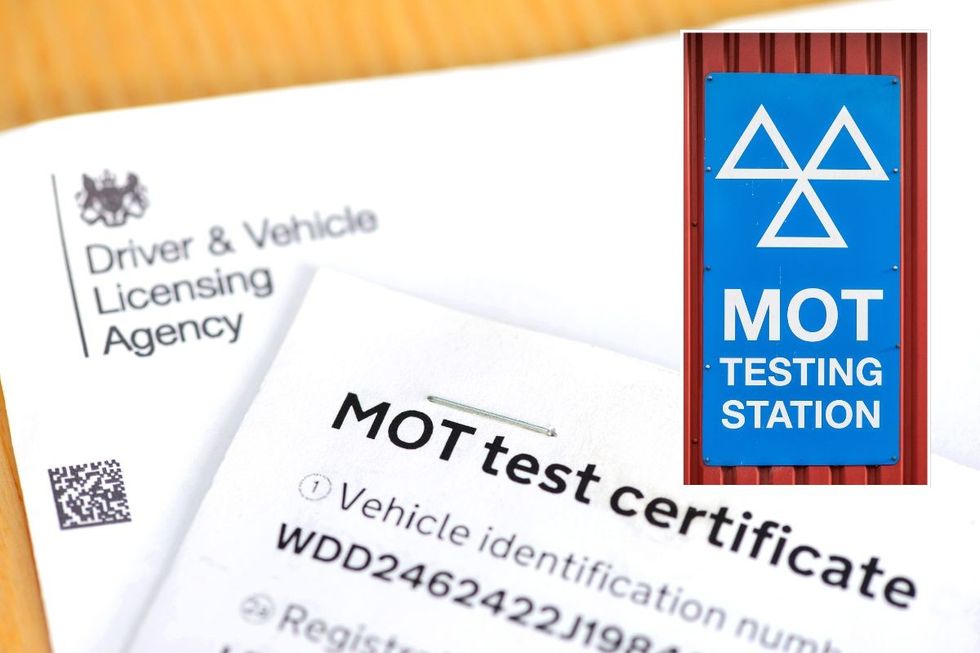 New MOT test rules will launch at the start of June for electric vans | GETTY
She explained businesses running electric and diesel vans doing the same jobs were being forced to follow completely different rules.
"Moving these vehicles into the Class 7 MOT system, with the first test due at three years and access to standard testing centres, removes a real and unnecessary cost from the total ownership equation," she added.
Industry groups have also long campaigned for the removal of tachograph requirements, arguing they created unnecessary paperwork.
Ms Gray said: "Removing that requirement, with no distance restriction attached, brings the compliance framework into line with how these vehicles are actually used."
LATEST DEVELOPMENTS
The agency will no longer classify electric vans as HGVs
| DVSAShe stressed drivers of heavier electric vans should not be treated like HGV drivers because their work is very different.
"Drivers of these vehicles are not HGV drivers. The routes they run, the loads they carry, and the working patterns involved do not reflect HGV operations," she said.
Under the DVSA rules, only fully zero-emission vehicles will qualify for the changes, including vehicles with no internal combustion engine or those producing zero grams of CO2 per kilometre.
Hybrid vehicles, however, will be excluded, including vans fitted with petrol, diesel or LPG range extenders used for charging batteries or helping power the vehicle.
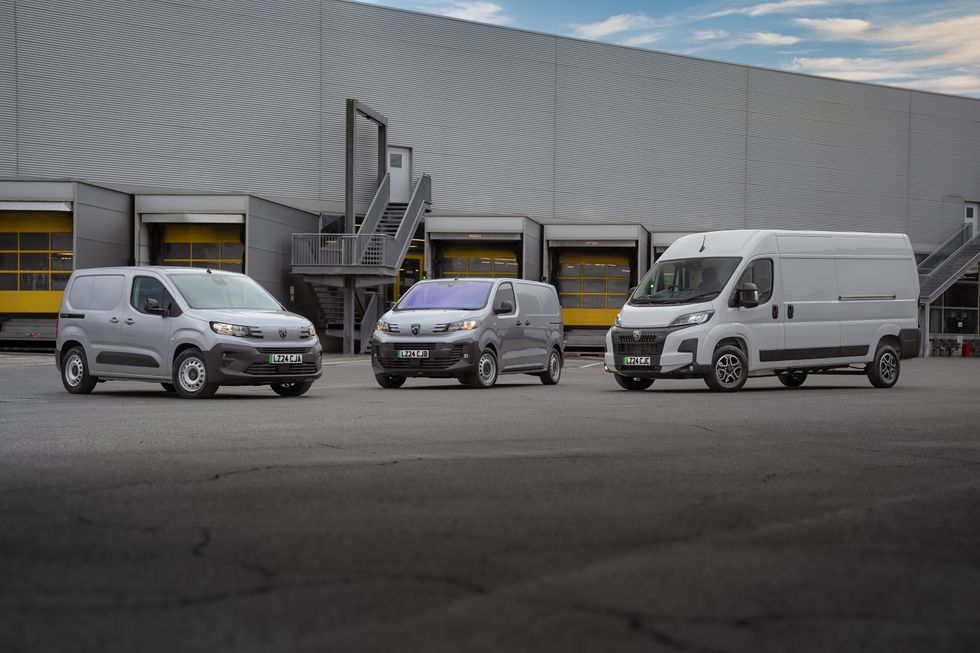
The Government recently announced new MOT rules for electric vans
| PEUGEOTThe policy change follows a 2023 survey of Class 7 testing centres, which found most garages already had the equipment needed to handle heavier electric vans safely.
The DVSA said the move would free up space at HGV testing stations while helping encourage more businesses to switch to electric vehicles.
The changes come as the Government pushes towards its 2030 target to end the sale of new diesel vans as part of its wider Zero Emission Vehicle mandate.
Van fleets currently produce around 12 per cent of UK transport emissions. Ms Gray said there are still major challenges facing companies looking to electrify their fleets, including charging infrastructure, high purchase costs and limited vehicle supply.
She added: "What the recent announcement does is reduce the friction associated with choosing a heavier electric van."
Our Standards: The GB News Editorial Charter