








Two metal detectorists have unearthed three complete Bronze Age gold torcs at a site north of Carlisle where National Grid is considering building an electricity substation.
Archaeologists have hailed the discovery as "spectacular".
Alan Daniels and Andy Crammond made the remarkable find on May 23 in the Blackford area while attending a detecting rally, having travelled from Scotland for the event.
The gold arm rings, dating back thousands of years, have intensified a dispute over the proposed infrastructure project.
Campaigners argued the location should now be recognised as archaeologically significant.
Mr Daniels described the gold torcs as "the holy grail of metal detecting finds".
He explained the pair had initially turned up nothing remarkable, just "a couple of old coins and loads of junk", before striking gold.
The rally was organised by Lothian Relics Metal Detecting at the invitation of North Carlisle Against the Substation and Pylons, a local campaign group.
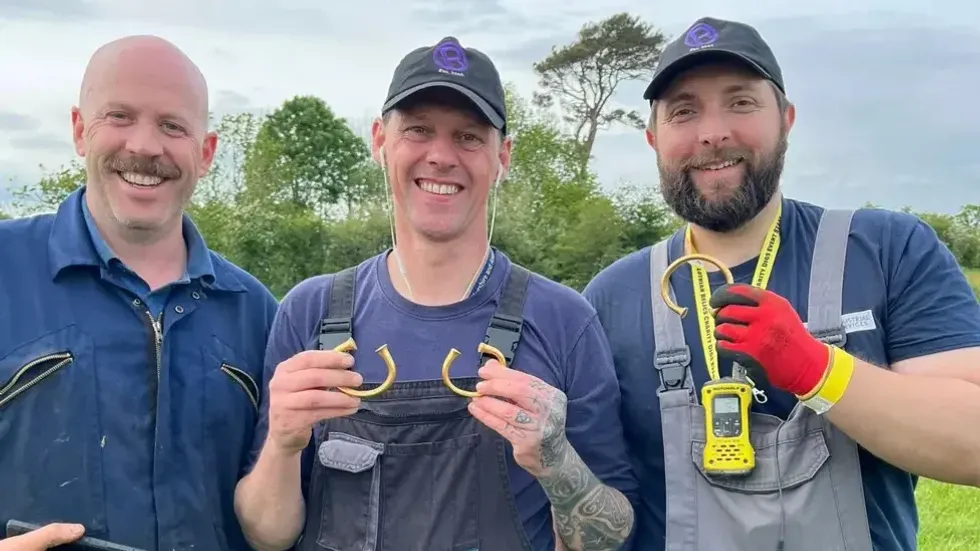
Two metal detectorists have unearthed three complete Bronze Age gold torcs
|LOTHIAN RELICS METAL DETECTING
Gary Robertson, who organised the event, said holding the artefacts was "incredible" and participants had anticipated uncovering Roman or medieval items rather than Bronze Age treasures.
He told the BBC: "We were expecting to find some Roman or medieval stuff, but never three Bronze Age torcs."
Dr Jim Morris from the University of Lancashire explained discovering intact torcs is exceptionally uncommon, noting archaeologists typically recover only fragments.
He added: "But to find a complete one is rare, and three complete ones is even rarer."
LATEST DEVELOPMENTS
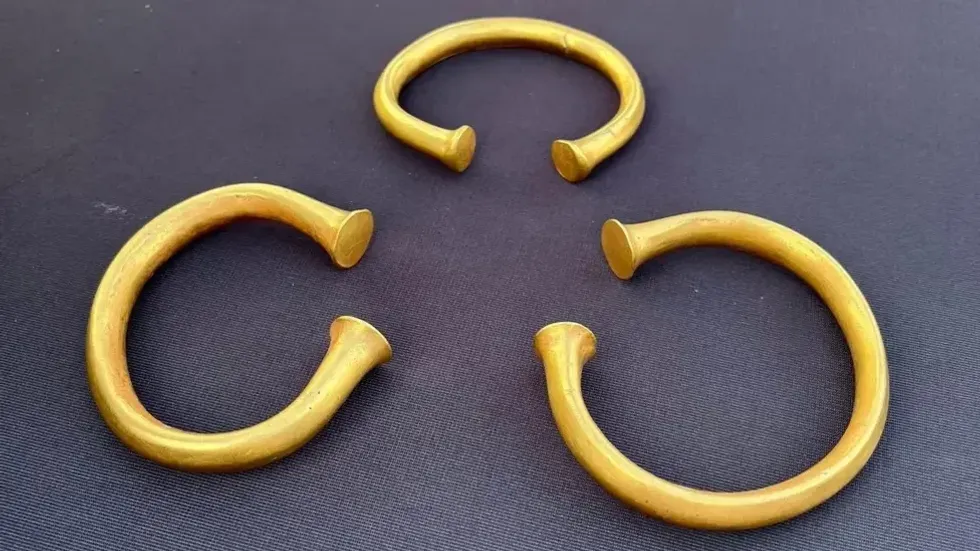
The gold arm rings, dating back thousands of years, have intensified a dispute over the proposed infrastructure project
|LOTHIAN RELICS METAL DETECTING
Dr Morris believes the artefacts were deliberately buried, possibly as part of a funeral ritual, cremation ceremony, or as a hidden hoard.
The discovery also sheds light on ancient trade connections, with Dr Morris suggesting links between Cumbria and Ireland may predate the Viking era by centuries.
"There's an awful lot of material coming in across the Irish Sea, into Cumbria and moving down the Eden Valley," he said, identifying the Firth and Eden River as a probable prehistoric trading route.
Previous finds in the region, including pre-Bronze Age artefacts discovered during the construction of Carlisle's Northern Development Route and a solid gold torc unearthed in Whitehaven, lend weight to this theory.
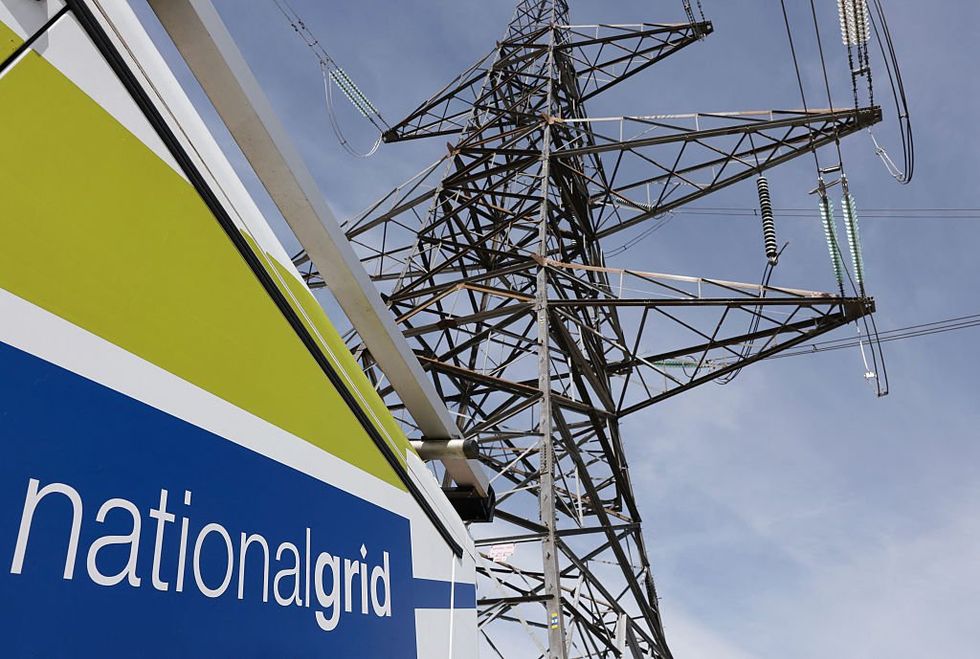
Gary Robertson argued the discovery should prompt National Grid to reconsider its plans
|GETTY
Mr Robertson argued the discovery should prompt National Grid to reconsider its plans, saying: "I don't think they can come and build a substation on land that is historical; there must be another avenue."
David Coulthard, chairman of Westlinton Parish Council, said the find made it "obvious" the site was unsuitable for the proposed development.
A spokesman for National Grid said it carries out expert heritage assessments of potential sites and "any verified finds would be carefully considered within our appraisal".
Historic England said it had not received any requests to assess the site where the torcs were found.
Our Standards: The GB News Editorial Charter