










Genetics and the natural ageing of pigment-producing cells are the principal drivers behind hair turning grey. But for certain individuals, research points to nutritional shortfalls potentially hastening this process.
According to Dr Ayesha Bryant, MD, MSPH, scientists have uncovered "strong evidence suggesting several nutritional and biochemical factors can potentially accelerate the onset or progression of hair greying in some individuals".
"Hair greying is largely determined by genetics and by the normal ageing of melanocytes (the cells responsible for producing pigment in hair follicles)," she told GB News.
The strongest scientific link exists between premature greying and deficiencies in vitamins B12 and D, iron, and copper, with folate showing a slightly weaker association.
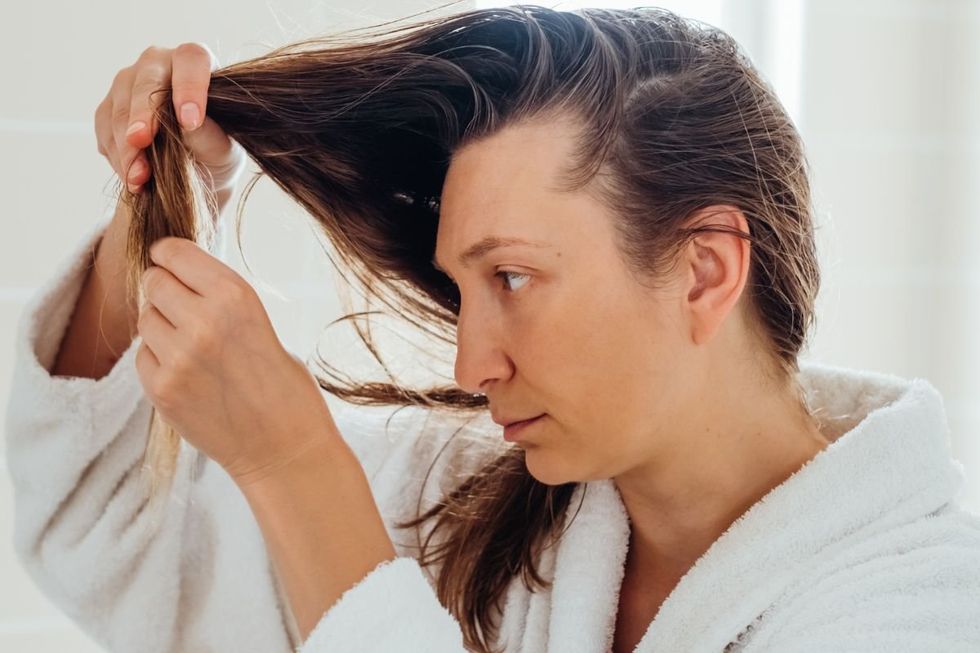
Hair greying is largely determined by genetics
|GETTY
This is mainly because B12 and folate play crucial roles in DNA synthesis and cellular renewal within melanocytes, Dr Bryant noted.
"According to at least two studies, a deficiency in these nutrients was associated with earlier onset of hair greying, particularly if they were also experiencing anaemia," she said.
Copper serves an essential function in melanin creation, acting as a cofactor for the enzyme tyrosinase. Insufficient copper levels may therefore diminish the body's capacity to produce hair pigment effectively.
However, in cases where the underlying cause proves reversible, addressing nutritional gaps may help decelerate the greying process, Dr Bryant reassured.
LATEST DEVELOPMENTS
She points to encouraging findings from smaller studies as evidence of this, but warns not to expect miracles from supplements alone.
"A number of case studies and smaller-scale studies report some level of repigmentation in areas where a person had previously lost pigment, such as around the eyes and eyebrows, after a deficiency in vitamin B12 was addressed," she said.
"For the vast majority of individuals, supplementing will not provide full reversal of genetically-driven greying, and supplements may only address a contributing factor of genetically-programmed greying and not the primary reason for greying."
Instead, Dr Bryant recommends a balanced diet to support healthy pigmentation by consuming adequate protein alongside iron-rich foods such as legumes and red meat.

A balanced diet is recommended to support healthy hair pigmentation
|GETTY
Leafy green vegetables, eggs, and legumes provide essential B vitamins, while nuts and shellfish offer valuable copper. Beyond dietary considerations, lifestyle choices significantly influence follicular health.
"Chronic stress, smoking, and poor sleep are associated with greater oxidative stress and therefore may increase the rate of ageing of follicles," Dr Bryant warned.
Scientists continue investigating oxidative stress's contribution to pigment loss, with research into preventing greying once genetic programming commences still developing.
Our Standards: The GB News Editorial Charter