










Scientists have uncovered a fingerprint preserved in tar on an ancient Danish vessel that may finally reveal the identity of mysterious raiders who launched an assault on Als island more than two millennia ago.
The Hjortspring boat, dating back to the 4th century BC, has baffled historians since its remains were first unearthed in the 1880s.
Researchers now believe this newly identified print could provide crucial DNA evidence linking directly to the unknown assailants.
"Where these sea raiders might have come from, and why they attacked the island of Als has long been a mystery," said Mikael Fauvelle, an archaeologist at Lund University.
The vessel earned its name from Hjortspring Mose, the bog where it lay hidden for centuries before its initial discovery.
This waterlogged environment proved remarkably effective at shielding the craft from decay, leaving it in outstanding condition for modern examination.
It is thought the attackers suffered defeat at the hands of local defenders, who subsequently deposited their enemies' weaponry into the surrounding marshland.
Despite decades of scholarly attention, fundamental questions about the crew's identity and their reasons for targeting the Danish island have remained unanswered.
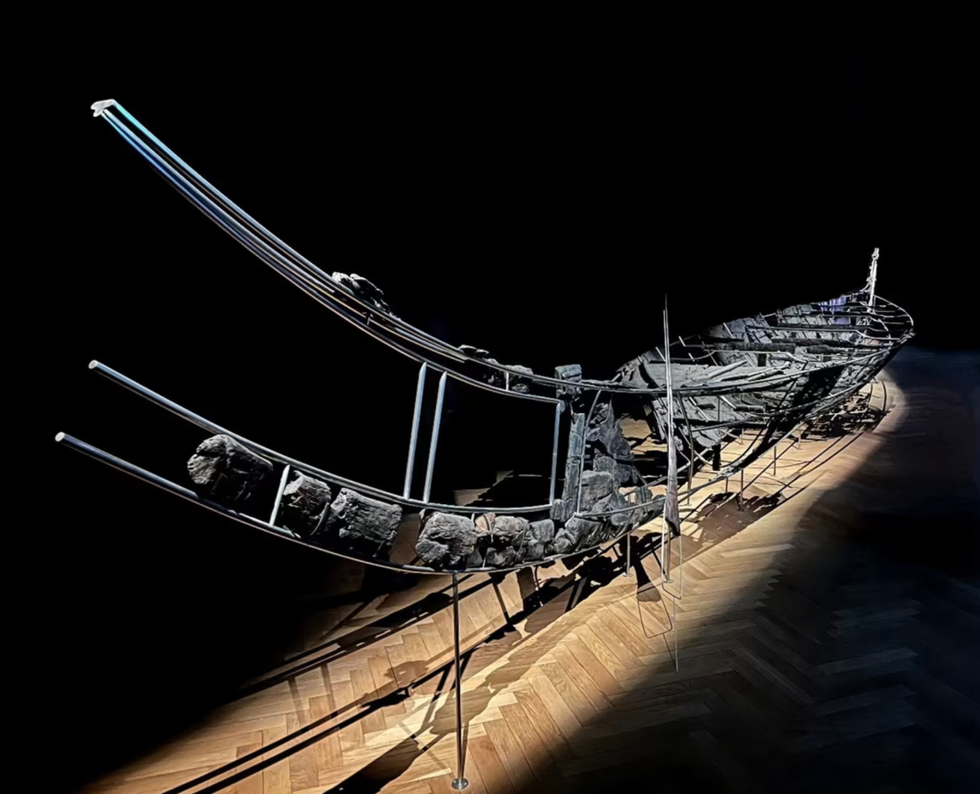
A 2,000-year-old mystery is primed for solving
|LUND UNIVERSITY
The boat now resides at the National Museum of Denmark, where it continues to intrigue researchers and visitors alike.
Archaeologists employed a range of cutting-edge techniques to examine the remarkably intact vessel.
Carbon dating of lime bast cordage aboard the craft confirmed it originated before the Roman Iron Age.
X-ray tomography enabled researchers to produce highly detailed scans of the caulking and rope materials discovered on the boat.
LATEST DEVELOPMENTS
Most significantly, scientists generated a digital three-dimensional model of the fingerprint embedded within the tar.
Experts are hopeful that further analysis of this ancient print will offer valuable insights into where the sailor originated.
The combination of these modern investigative methods has opened new avenues for understanding who crewed the vessel during its fateful voyage.
Earlier investigations revealed the boat had been waterproofed using pine pitch, pointing towards construction in a region rich in coniferous forests.
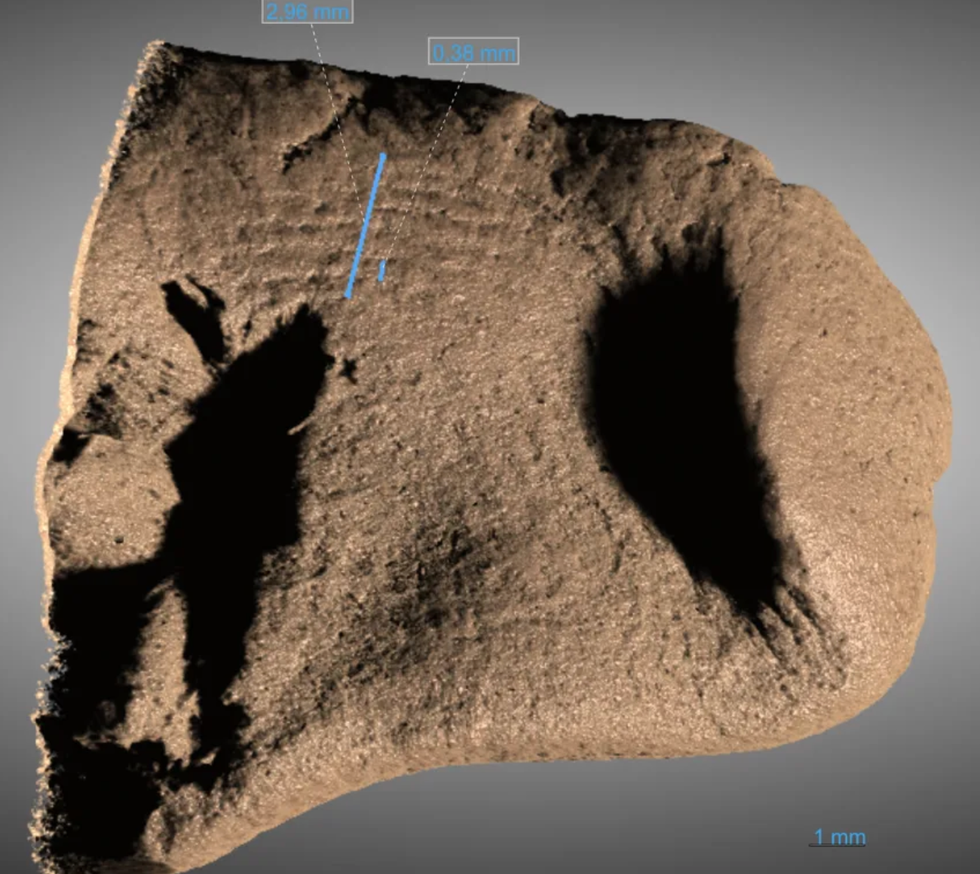
The ancient fingerprint could provide a vital clue
|LUND UNIVERSITY
This finding prompted scholars to initially theorise that the vessel and its crew hailed from the area surrounding present-day Hamburg in Germany.
However, researchers have now revised this assessment, concluding the raiders more likely originated from the Baltic Sea coastal regions.
"If the boat came from the pine forest-rich coastal regions of the Baltic Sea, it means that the warriors who attacked the island of Als chose to launch a maritime raid over hundreds of kilometres of open sea," said Mr Fauvelle.
This revised theory suggests a far more ambitious and daring expedition than previously imagined.