









As women transition into middle age, their bones undergo subtle but relentless changes. Bones become more fragile and muscles weaker, with modern diets laden with sugar and fat accelerating this decline.
Experts are now warning women ultra-processed foods, in particular, are not doing their bones any favours as living tissues struggle to break down and rebuild.
Surrey-based physiotherapist Lucy Macdonald, from Restart Physio, explained these dietary choices can hamper the body.
"Don't underestimate the importance of all the nutrients that come with vegetables, fruits, dairy, whole foods and good fats," Ms Macdonald explained.
TRENDING
Stories
Videos
Your Say
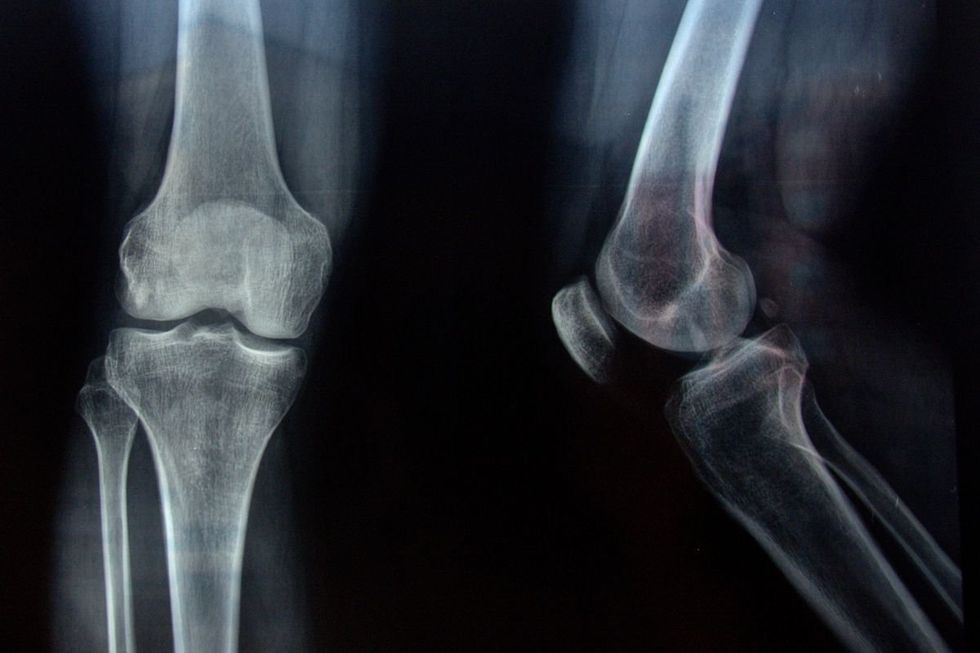
The NHS notes osteoporosis makes bones weaker
| GETTYShe stressed that bone health becomes a pressing concern during this stage of life due to hormonal shifts. But simple lifestyle tweaks can make a real difference to keeping your bones strong well into your later years.
"Osteopenia, which is often a precursor to osteoporosis, is more prevalent in perimenopausal and postmenopausal women due to the drop in their oestrogen levels [a hormone that is essential for healthy bones] that happens during menopause," Ms Macdonald explained
Stress fractures also become more likely as we age, with older adults who suddenly take up running at greater risk than younger people, because their bones are not as resilient to the strain.
To lessen the risk of injury, the physiotherapist recommends engaging in impact activities to help bones regenerate.
"Impact activity is really important for bones because when you jump about on your bones, they regenerate," Ms Macdonald noted.
"You can even start with doing some sit-to-stand exercises in bed as a warm-up, and then a few little bunny hops on the spot every morning."
Strength training is equally brilliant for bone density. When muscles contract forcefully, they pull on bones through tendons, which stimulates regeneration.
LATEST DEVELOPMENTS
For those who have not exercised recently, the physiotherapist suggests beginning with resistance training before progressing to higher-impact activities once you've built sufficient strength.
She suggests finding an activity you genuinely love makes all the difference when it comes to sticking with it, such as dance or Zumba classes for those who are not keen on running. It is also vital to build up gradually rather than diving in headfirst.
"Start slowly and build up your training and exercises in small increments, so that your bones gradually get stronger and stronger over time," recommends Ms Macdonald.
Rest days are essential too, particularly when training hard enough to cause muscle soreness. It could equally be helpful to work with a professional who understands your body's physiology and can ensure exercises are pitched at exactly the right level for you.
But there is more to consider beyond exercise; other lifestyle factors play a crucial role in maintaining healthy bones.
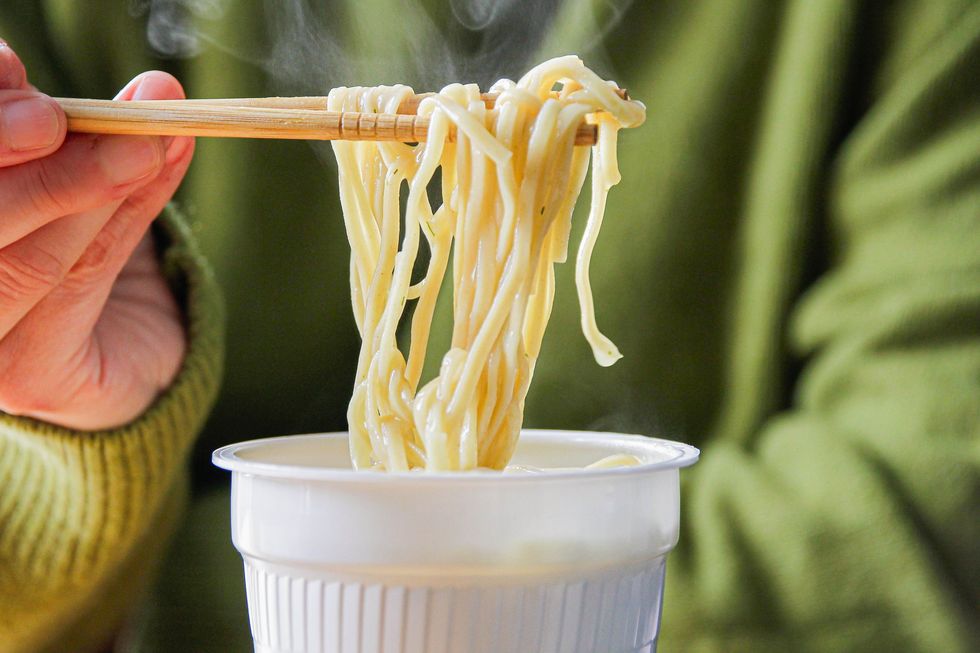
Ultra-processed foods should be kept to a minimum for bone health
|GETTY
"Smoking is really bad for your bone health," Ms Macdonald noted. "Reduced bone density is one of the established negative effects of smoking."
Getting enough shut-eye is equally important, as this is when our bones and muscles repair themselves.
"The vast majority of us need eight hours of sleep, so try to prioritise things that help you get as much sleep as possible," she advised.
When it comes to diet, Ms Macdonald recommends ensuring adequate protein intake while keeping processed foods to a minimum, as sugar and ultra-processed items hinder bone and muscle recovery.
Our Standards: The GB News Editorial Charter