






A woman once celebrated as "Britain's first black woman" was actually a local girl from southern England with blonde hair and blue eyes, a new study has shown.
DNA analysis published on Wednesday has completely overturned the BBC's 2016 claim the "Beachy Head Lady" – a Roman-era skeleton – originated from sub-Saharan Africa.
Scientists at the Natural History Museum found no genetic evidence linking her to Africa whatsoever.
Instead, the research shows she descended from the local British population during Roman times.
TRENDING
Stories
Videos
Your Say
The findings, detailed in the Journal of Archaeological Science, used cutting-edge DNA sequencing to finally settle the mystery surrounding her origins.
A previous reconstruction had depicted her with dark skin, brown eyes and curly black hair – an image that's now been proven entirely wrong.
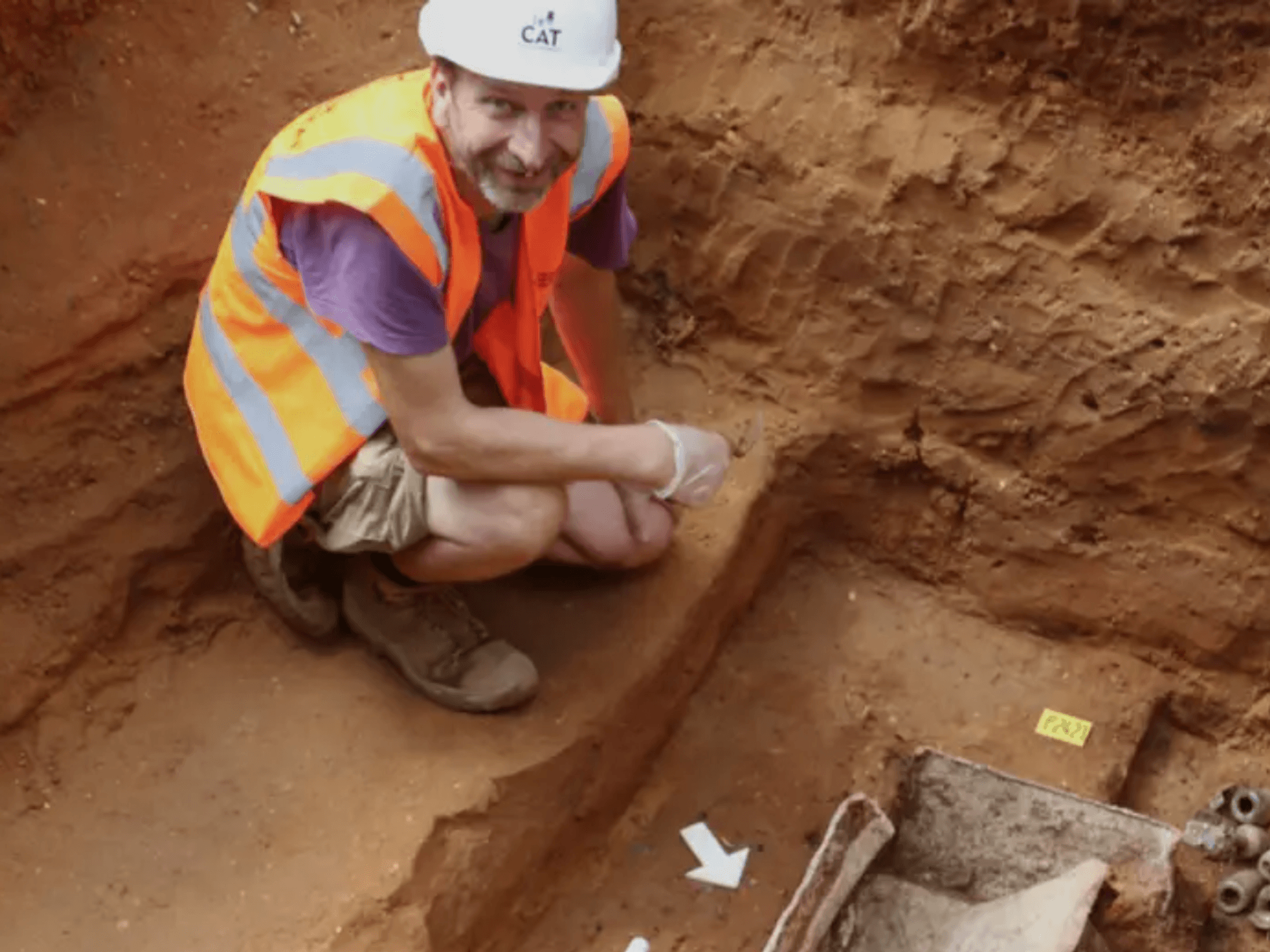
The skeleton's journey began when it was rediscovered in 2012, tucked away in a box in the basement of Eastbourne Town Hall in East Sussex.
A label reading "Beachy Head (1959)" was the only clue about where the remains had come from, giving her the nickname that stuck.
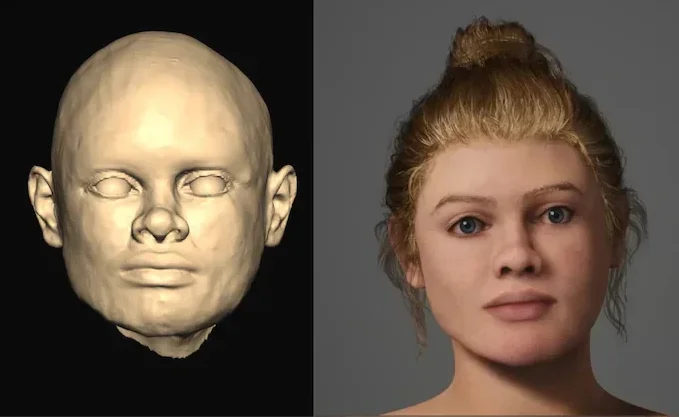
The person once celebrated as Britain's first known black woman was actually a local girl from southern England
|FACE LAB AT LIVERPOOL JOHN MOORES UNIVERSITY
In 2013, forensic anthropologists examined her skull and concluded she likely came from sub-Saharan Africa.
This interpretation gained serious traction, featuring prominently in David Olusoga's BBC documentary series Black and British: A Forgotten History, which presented her as "sub-Saharan African in origin" and included a facial reconstruction showing dark features.
Archaeologist Jo Seaman called her the "earliest black Briton," and a commemorative plaque was even erected in 2016 to mark her believed heritage.
However, the new research has revealed she was young - somewhere between 18 and 25 - when she died and stood about 5ft tall.
Scientists believe she likely had blue eyes, light hair, and skin ranging from pale to dark.
LATEST DEVELOPMENTS:
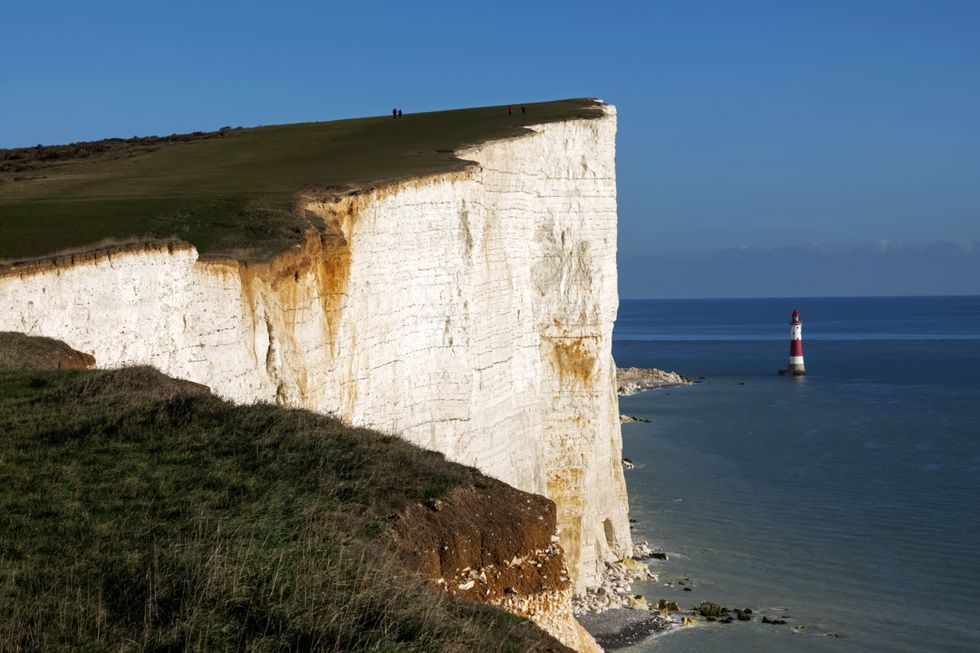
The woman is believed to have lived at Eastbourne's Beachy Head, which explains the diet of fish and seafood
|GETTY
Analysis of carbon and nitrogen levels showed her diet included plenty of seafood, which makes sense for someone living near Beachy Head.
She also carried evidence of a serious leg injury that had healed before her death – suggesting she survived whatever accident or incident caused it.
Radiocarbon dating places her death between 129 and 311 AD, during the Roman occupation of Britain, though scientists couldn't determine what ultimately killed her.
The breakthrough came thanks to a technology called capture arrays, which can extract tiny fragments of ancient DNA and piece them together into a more complete picture.
This produced more than ten times better DNA coverage than previous attempts.
Dr William Marsh, who led the genetic study, said: "By using state-of-the-art DNA techniques, we were able to resolve the origins of this individual.
"We show she carries genetic ancestry that is most similar to other individuals from the local population of Roman-era Britain."
Dr Selina Brace from the Natural History Museum put it simply: "She's just this local girl who grew up in Eastbourne."
Following earlier doubts about the African origin theory, parish councillors voted to remove the commemorative plaque in 2022.
"It doesn't alter the story of Britain," Dr Brace added. "It just alters her story, and we owed it to her to put that right."
Our Standards: The GB News Editorial Charter