










A decades-long mystery surrounding the deaths of sacrificed Inca children has finally been pieced together.
The famous child ‘ice mummies’ were killed in an untimely manner, and experts have been trying to figure out what their final moments will have looked like.
The Capacocha ritual, which took place about 500 years ago, was carried out so the youths could act as “messengers to the gods”.
Their remains were left on the remote peaks in the Andes, Peru.
TRENDING
Stories
Videos
Your Say
The high-altitude meant their bodies were well preserved as a result of them becoming frozen over.
Their brains, items of clothing and even hairstyles were still in good condition upon discovery.
Four of the ice mummies were used for CT scans to better understand their last moments.
One of them is the Lady of Ampato, also known for being the Ice Maiden and Mom Juanita, who was uncovered in 1995.
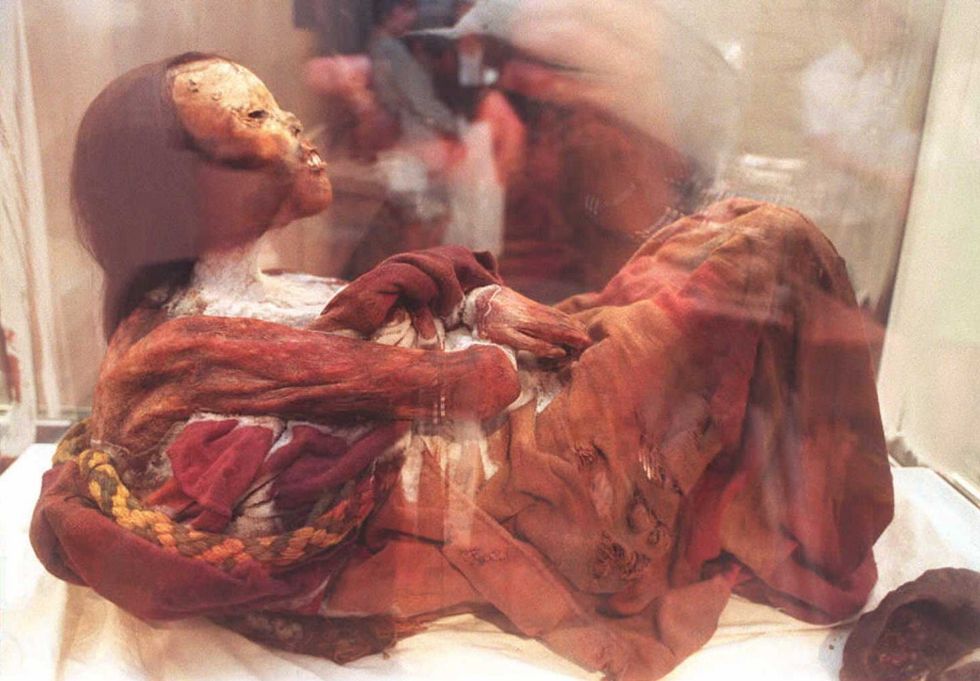
The Inca mummies were found remarkably well preserved
|GETTY
Three girls aged between six and 10-years-old were also unearthed.
It was long believed that the group had been left to die, but it appears they suffered a fatal head trauma before.
A “blunt force blow” brought an “instantaneous and violent” end to one of the girls.
Lady of Ampato was also found to have had more injuries than previously thought, with fractures in her pelvis and chest.
LATEST DEVELOPMENTS
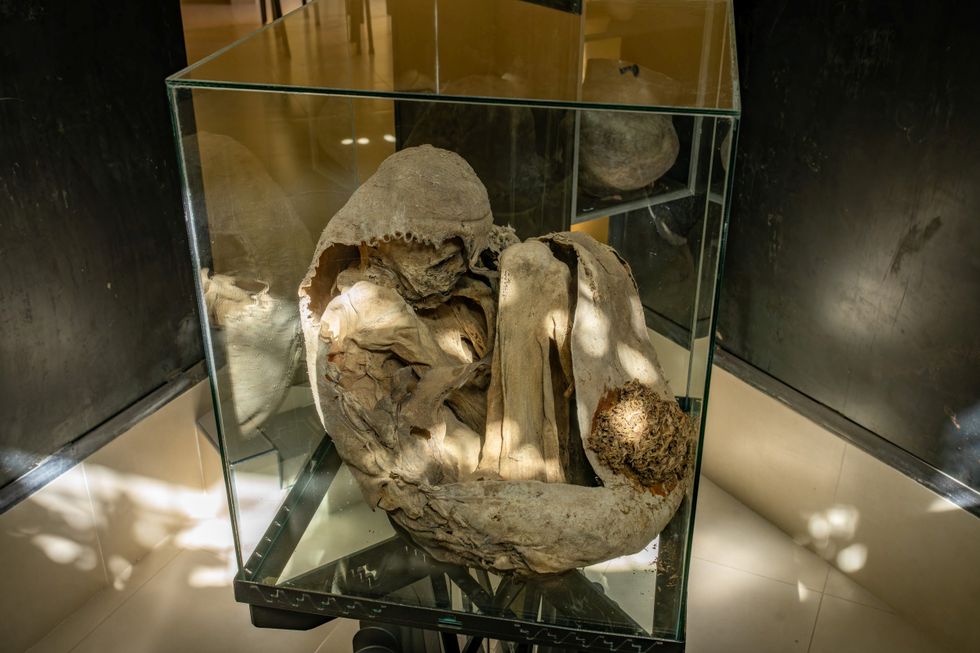
Experts were left baffled
|GETTY
Evidence of deliberate mummification was also spotted, leaving experts baffled.
They say one of the girls’ bodies was put through “post-mortem manipulation”, with missing bones and displaced skeletal elements.
Stones and fragments of textiles were also stuffed inside the belly and chest.
And despite the widely-held assumption that the children were in good health, clues revealed signs of illness in the eight-year-old girl.
“This may reflect the general living conditions within the Inca Empire, but it may also indicate that European chroniclers did not fully understand what the Incas themselves considered ideal,” archaeologist Dagmara Socha told Live Science.
The study was published in the Journal of Archaeological Science.