









The great parliamentarian Tony Benn would frequently insist that politics should be about “issues, not personalities”. He was right. In the modern media age, and with everything they say and do broadcast in high definition, it undeniably helps for a politician to be blessed with character and charm. But personal charisma is ultimately secondary to political substance.
If the policy and programme are wrong and run contrary to the interests of the majority of voters, all the wit and repartee in the world won’t bring electoral success.
That’s why the current frenzy over the Labour leadership carries nothing of the significance outside the SW1 bubble as it does inside it.
The identity of the person in the hot seat is, for ordinary voters, of little real importance. What matters is the decisions he or she makes while occupying it.
Don’t misunderstand me: the Lord Mandelson affair that has rocked the Keir Starmer leadership is a genuine scandal and deserves maximum exposure.
Moreover, Starmer himself was already crushingly unpopular, and that state of affairs is unlikely to change. He will almost certainly be gone by the summer.
But the Prime Minister’s Achilles heel is less his personality – wooden and detached though it is – and more the fact that Labour is falling well short of changing Britain in the way it pledged to do before winning power.
A year and a half into this government’s rule, and the economy is still flatlining, immigration numbers remain far too high, the small boats continue to arrive, NHS waiting lists are through the roof, and the general air of decline and social disintegration that pervades many of our communities is tangible.
The Government has unquestionably done some good – the introduction of the Employment Rights Act, renationalisation of the railways, and the lifting of the pernicious two-child benefit cap are particularly welcome to those of us on the Left – but the truth is that the “fundamentals” in our country remain distinctly unsound.
For many voters – even those who voted Labour at the general election – too little has changed. They are not experiencing the tangible improvements to their lives that they were promised, and they have little faith that they will begin to do so any time soon.
So the person who replaces Starmer would, if he or she is to revive Labour’s fortunes, have to do something radically different to what has gone before.
And therein lies the problem. Who in the party’s ranks stands out as a politician willing to break with the timid, technocratic, managerial approach of Starmer?
Who would be brave enough to challenge deeply-ingrained Treasury orthodoxy and fundamentally reorder the government’s economic priorities?
As far as I can see, none of the would-be contenders fits that bill. Andy Burnham has occasionally demonstrated flashes of the radicalism and boldness so desperately needed to set Labour on a new path, particularly when he recently argued – perfectly correctly – that politicians had to “get beyond this thing of being in hock to the bond markets”.
But thanks to the inexcusable decision to block his return to parliament, he won’t feature in any leadership contest. So we are left with a bunch of people who would offer more of the same, only perhaps with a smoother delivery. And that is nowhere near good enough.
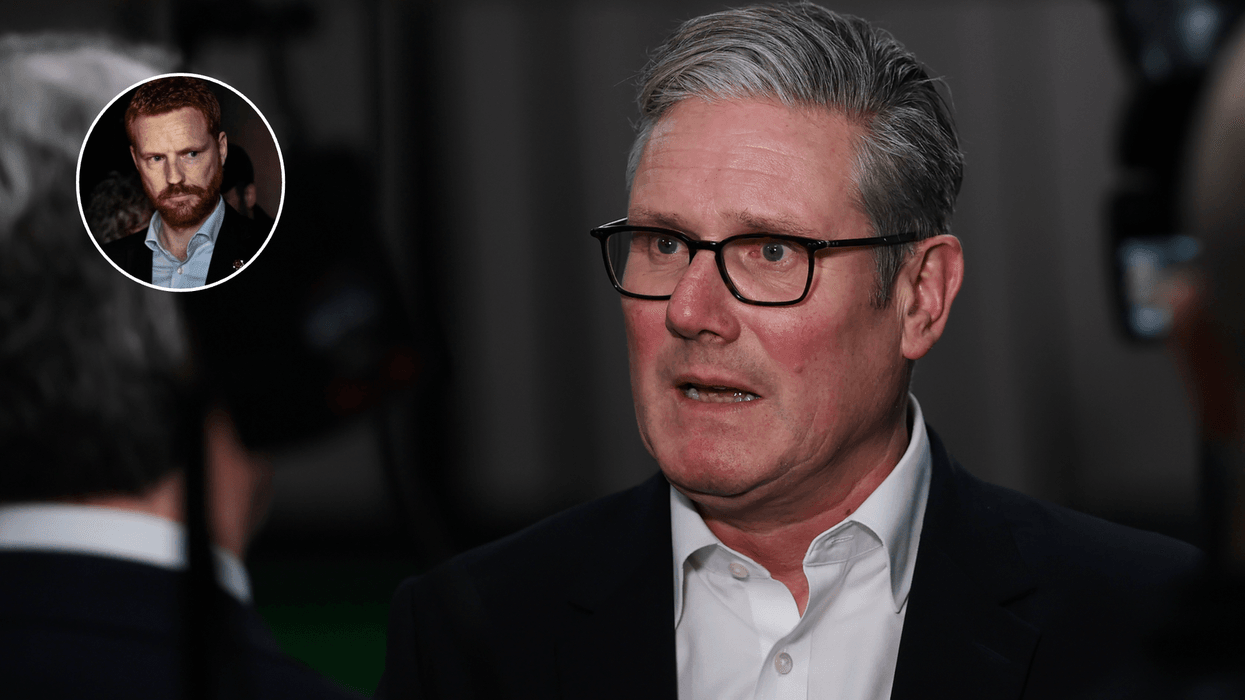
 Keir Starmer is about to learn the hard way that his Achilles heel was never Peter Mandelson - Paul Embery | Getty Images
The only way that Labour will stand a chance of winning the next election is for it to present itself as a decent and principled social democratic outfit which loves the country, cherishes its history, governs it competently, defends its borders, is unafraid of the bond vigilantes, and is willing to break free of the radical progressivism that now infects so much of our public life.
That means, in turn, the Government stepping up and using its massive fiscal capacity to generate growth and full employment, rather than sitting back and hoping they materialise out of thin air.
It also means jettisoning much of the divisive DEI-inspired thinking that has served to create divisions in our workplaces and communities and open up a chasm between Labour and its traditional working-class vote.
Labour needs to recognise that liberal globalisation, the creed that devastated our domestic industrial base and left so many communities behind, has failed. And, by extension, New Labour, the movement that acted as its midwife in this country, is dead.
Of course, nations must cooperate with each other to aid economic development and security. But the future will be one of greater respect for sovereignty, borders and the national economy.
There are a few signs that the Labour Party at large is anywhere near accepting these hard truths. Some in its ranks persist in their belief that the New Labour philosophy still charts the brightest future for the party and country.
Others recognise that that strategy is a dead end but seem to have no idea how to forge a different path. Until the party resolves that conundrum, it will continue to flounder in the polls.
And the question of who is to be its next leader will be an entirely academic one. It is, after all, the issues that matter, not the personalities.
Our Standards: The GB News Editorial Charter