










Growing evidence suggests the Mediterranean diet may significantly lower stroke risk, with experts now beginning to pinpoint the mechanisms behind its protective effects.
Registered Dietitian Nutritionist and Medical Advisor at Welzo, Kezia Joy, told GB News: "One of the most important ways in which the Mediterranean diet reduces stroke risk is through how it affects the health of your blood vessels."
Put simply, the diet brings down blood pressure, boosts the balance between good and bad cholesterol, and keeps blood sugar levels steady, which happen to be some of the most powerful risk factors for stroke that we can control.
What is more, the eating pattern naturally fights inflammation thanks to its abundance of plant-based foods, olive oil and fish.
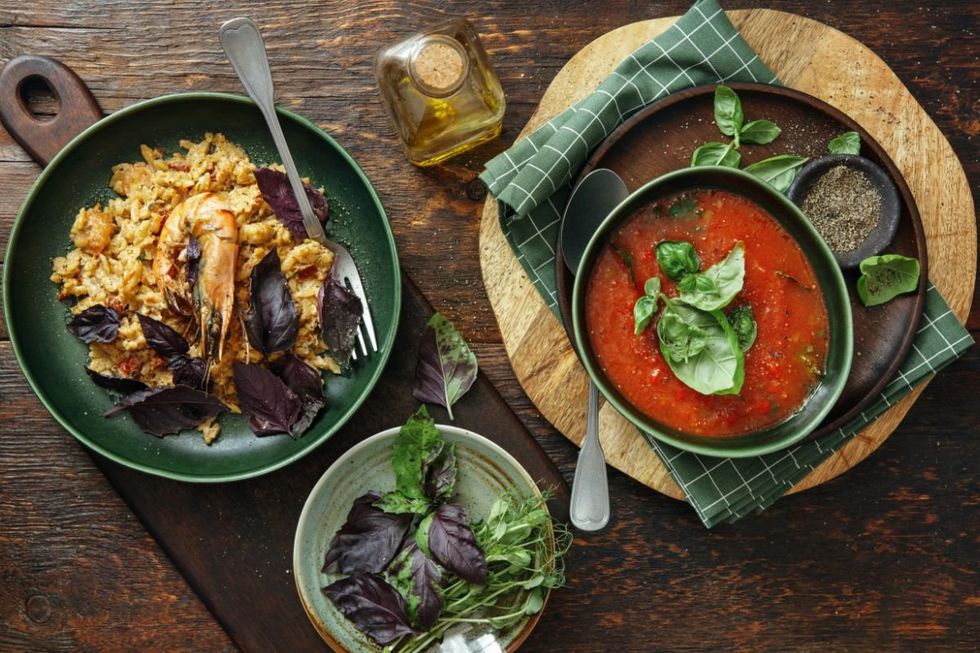
The Mediterranean diet naturally fights inflammation
|GETTY
Long-term inflammation gradually harms the arteries and raises the chances of blood clots forming.
By tackling this inflammation and improving how the blood vessel lining functions, the diet encourages smooth, healthy circulation.
A major new study published in Neurology Open Access can back this, after researchers tracked more than 105,000 women in California over an average of 21 years.
Women who closely followed the Mediterranean diet were 18 per cent less likely to suffer any type of stroke compared to those who barely followed it at all.
Even more remarkably, the risk of hemorrhagic stroke – caused by bleeding in the brain – dropped by as much as 25 per cent.
LATEST DEVELOPMENTS
Which foods offer the best protection?
Olive oil stands out as one of the most potent ingredients of the diet, and its monounsaturated fats and antioxidants work to lower LDL cholesterol, reduce triglycerides, bring down blood sugar and shield artery walls from damage.
There is also fatty fish, legumes, leafy green vegetables, nuts and whole grains, all of which contribute to lowering stroke risk thanks to their fibre content.
The study gave participants points for eating above-average amounts of wholegrain cereals, fruits, vegetables, legumes, olive oil and fish, while also consuming less red meat and dairy.
What is more, you do not need to follow the diet perfectly to see real benefits. Research shows even moderate adherence to Mediterranean eating patterns brings meaningful improvements to cardiovascular health markers.
 Major life events might influence changes in the brain | GETTY
Being consistent matters far more than being perfect for a short burst.
Kezia suggests eating more vegetables, switching from processed grains to whole grains, and aiming for fish at least twice a week.
These simple changes can deliver some of the diet's protective effects without overhauling everything you eat.
Ultimately, it is long-term food choices rather than strict rule-following that will bring the greatest and most lasting results.
Our Standards: The GB News Editorial Charter