







A top Scotland Yard officer has denied a "blame game" battle between the police and local stores after claiming retailers aren't doing enough to help officers catch shoplifters.
In as many as four in five shoplifting cases, vital CCTV footage has failed to be supplied to police, according to Chief Inspector Rav Pathania.
Mr Pathania, who leads the Metropolitan Police's business crime unit, told The Telegraph store managers were unable to provide security camera or body-worn video recordings of suspects in approximately 80 per cent of incidents reported last year.
The lack of evidence proves particularly frustrating given the force's success rate when footage is actually obtained.
TRENDING
Stories
Videos
Your Say
Officers can identify around 80 per cent of suspects when clear images are available, using crime databases and facial recognition software to match them against known offenders.
"We don't always get digital evidence back from the retailers," Mr Pathania explained.
The police chief rejected suggestions his remarks constituted a "blame game" following recent criticism from the retail sector.
Detection rates have nearly doubled under current efforts, whilst arrests of store thieves have risen by 44 per cent.
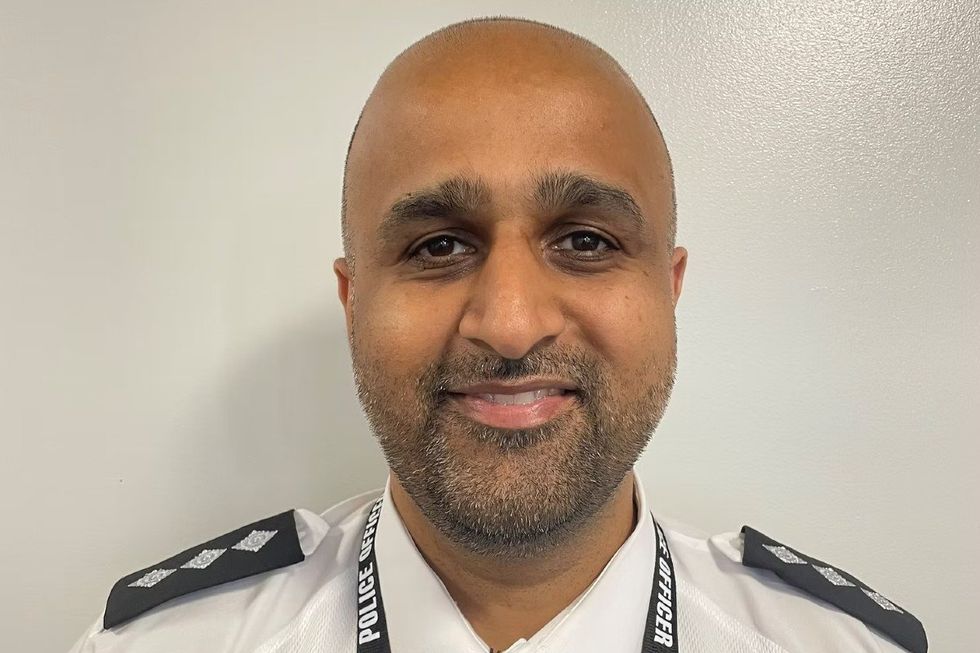
Chief Inspector Rav Pathania has denied a 'blame game' between police and local shops
|SAFER GREENWICH
London has also witnessed a 3.2 per cent reduction in shoplifting offences over the past year.
Mr Pathania acknowledged that post-pandemic priorities had centred on reducing violent crime, but stressed the force was now "pivoting" to tackle "acquisitive" offences such as shoplifting and mobile phone theft.
The rise in shop theft resulted from a "perfect storm" of factors, he argued, including the cost-of-living crisis, retailers moving away from detaining thieves, police prioritising violent crime, and improved home and vehicle security, making shops easier targets for both opportunistic criminals and organised gangs.
The retail sector currently lacks a unified system for sharing video evidence with police, with individual companies and even separate stores adopting different procedures for handling requests.
Access to security footage varies significantly between businesses, Mr Pathania continued to tell The Telegraph.
LATEST DEVELOPMENTS:
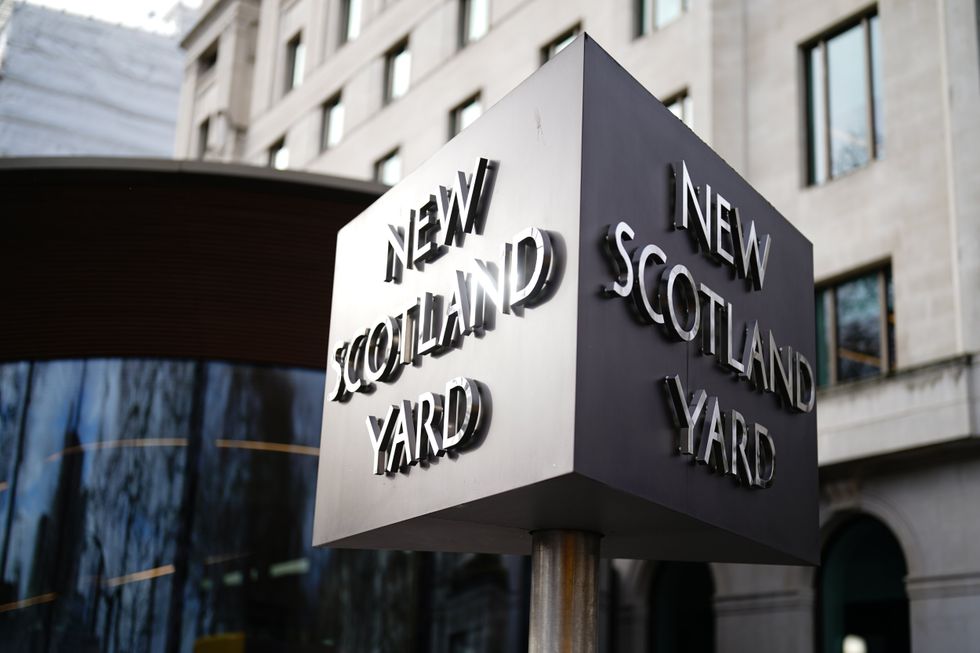
In as many as four in five shoplifting cases, vital CCTV footage has failed to be supplied to police, according to Chief Inspector Rav Pathania
|PA
While some retailers designate specific staff members to retrieve recordings, others struggle because part-time employees work limited hours, leaving little time to compile and submit evidence.
Certain companies impose "thresholds" before deciding whether to provide footage and witness statements to investigators.
Staff members often prove reluctant to appear in court proceedings, particularly as they receive no compensation for doing so.
Investigations sometimes must be abandoned when security camera quality proves so inadequate that officers cannot even observe the alleged offence taking place.
Mr Pathania acknowledged the expense of upgrading technology but highlighted how body-worn cameras could significantly improve evidence collection.
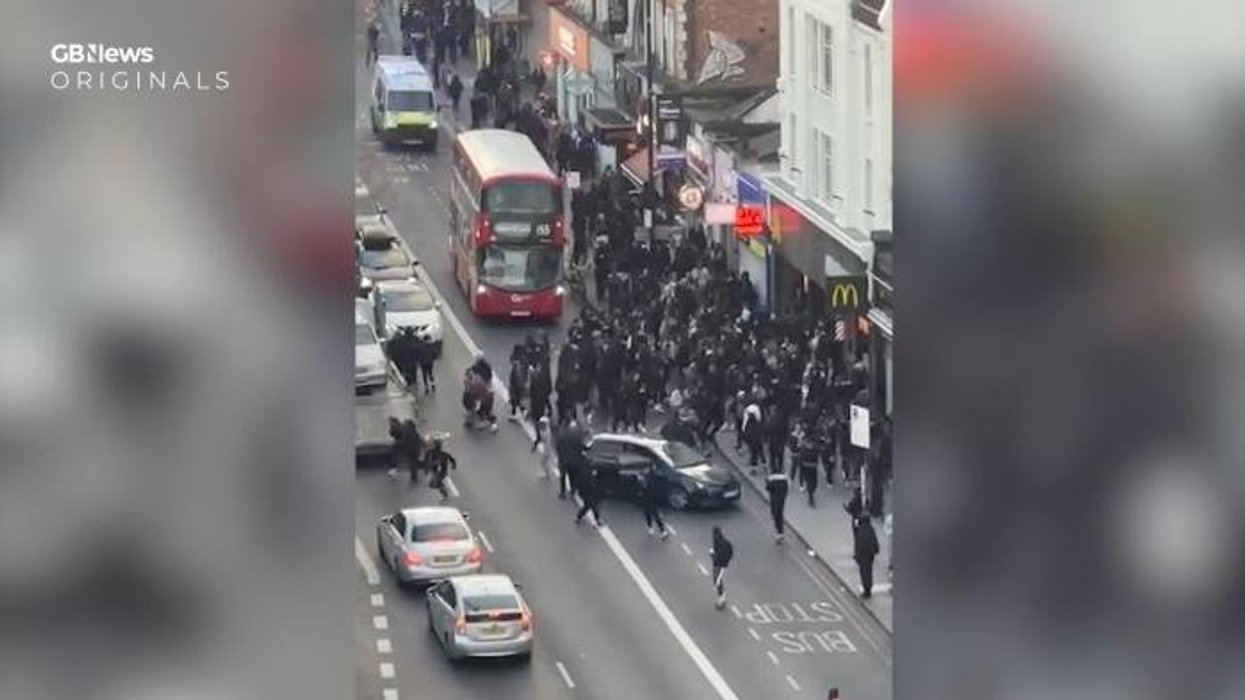
His comments come just days after crowds of young people terrorised the streets of an affluent London neighbourhood, forcing families to barricade themselves inside shops.
Some suggested teens were told to "link up" in the Lambeth neighbourhood via TikTok.
Eyewitnesses said officers have been turning away shoppers, with all stores in the area shut.
Then, in a remarkable intervention, high street giant Marks & Spencer called on the Government to crack down on crime, protect retail staff and grant police greater powers in a scathing takedown of Sir Sadiq Khan's London.
The retailer's director Thinus Keeve wrote on the company's website: "Without a Government seriously cracking down on crime and a Mayor that prioritises effective policing, we are powerless.
"We need a stronger, faster and more consistent police response, using tools that already exist to target repeat offenders and crime hotspots.
"And we need far greater transparency on crime so the true scale and impact is understood and can be used to target resources."