






A woman who was born and raised in London has found herself stranded in Spain after being caught out by new border rules for dual national citizens.
Natasha Cochrane De La Rosa, a 26-year-old British-Spanish national, was travelling on her Spanish passport when she attempted to fly back to the UK from Amsterdam on April 2.
However, the Islington-born woman was denied boarding onto her return flight.
She described feeling "utterly surprised" and had no idea of the new rules when she made the booking with her friends.
TRENDING
Stories
Videos
Your Say
The regulations implemented on February 25 mandate that individuals with dual citizenship must present documentation from either Britain or Ireland, or alternatively hold a digital entitlement certificate, when entering the country.
Before these measures took effect, Ms Cochrane De La Rosa had regularly flown using her Spanish travel documents.
Following the denial at Amsterdam's airport, she stayed for one more night in the Netherlands before making her way to Spain.
She is currently staying with relatives.
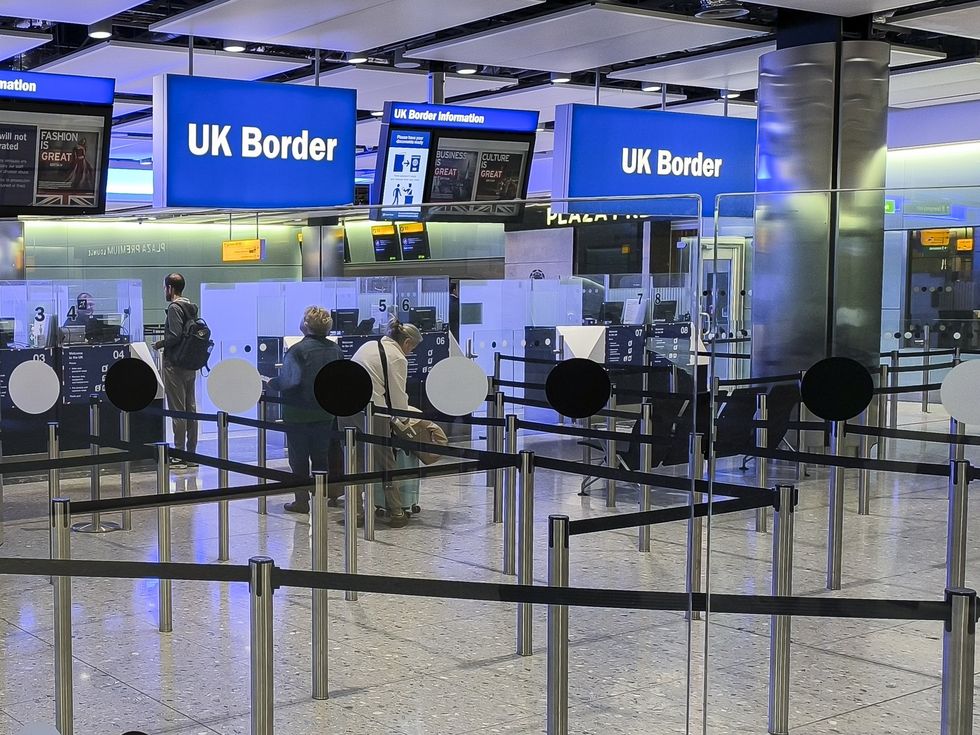
New border rules for dual nationals came into force in February
|GETTY
Her circumstances are particularly complicated by nationality legislation from the time of her birth.
Because her parents were not married when she arrived in 1999, her father's British citizenship could not be automatically transferred to her under the laws then in place.
She described her situation to the BBC as "nuanced", adding immigration lawyers have advised her that she occupies a legal "grey area" despite having fulfilled civic duties, including paying taxes and voting in elections.
Ms Cochrane De La Rosa has been advised she faces two options.
She can either submit an application for a full British passport, a process requiring approximately six weeks with potential for rejection given the circumstances of her birth, or she can purchase a digital entitlement certificate costing £589.
LATEST DEVELOPMENTS:
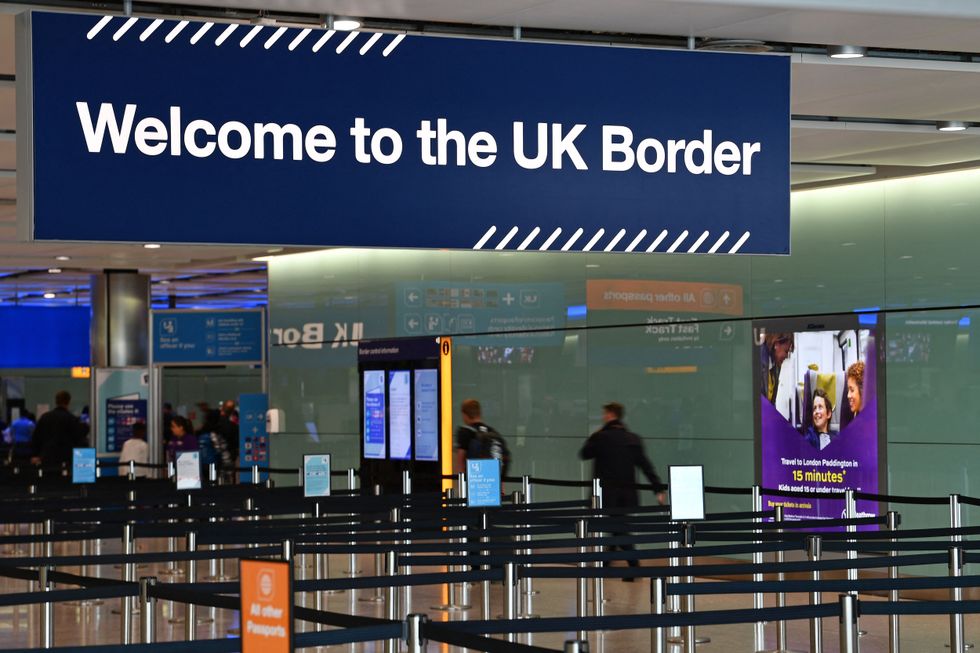
Individuals with dual citizenship must present documentation from either Britain or Ireland, or alternatively hold a digital entitlement certificate, when entering the country
| GETTYSpeaking about the ordeal, Ms Cochrane De La Rosa expressed deep anxiety about the potential impact on her employment.
"It's terrifying and I'm petrified," she said, adding she could be forced to remain outside of the UK for an extended period.
She questioned how authorities with access to all relevant documentation could have overlooked her situation.
"The country has a duty of care. I am 100 per cent a dual national," she said.
She claims that had the changes been properly publicised, she would have remained at home and "sorted out my paperwork from the comfort of my home" rather than travelling.
She went on to claim the lack of publicity meant the changes were "not amplified".
"No one has slept. My family have been up all night. My sisters and parents are distraught," she said.
Ms Cochrane De La Rosa emphasised broader implications for others who might lack "the same resources, connections, maybe even literacy, [and] financial security to be able to cope with these changes".
She insisted her case represents more than an individual predicament.
A Home Office representative defended the recent policy changes, saying it aligns Britain with nations such as the United States and Australia that mandate citizens use national travel documentation.
The spokesman confirmed that from 25 February, dual British nationals must show valid British passports or entitlement certificates when arriving in the UK.
Officials rejected suggestions of inadequate communication, pointing to what they termed a "substantive" campaign that has operated since 2023.
Specific guidance aimed at dual nationals has been accessible since October 2024, according to the department.
The spokesman added that passport applications from overseas can be completed within four weeks, whilst digital entitlement certificates require only a single application.