

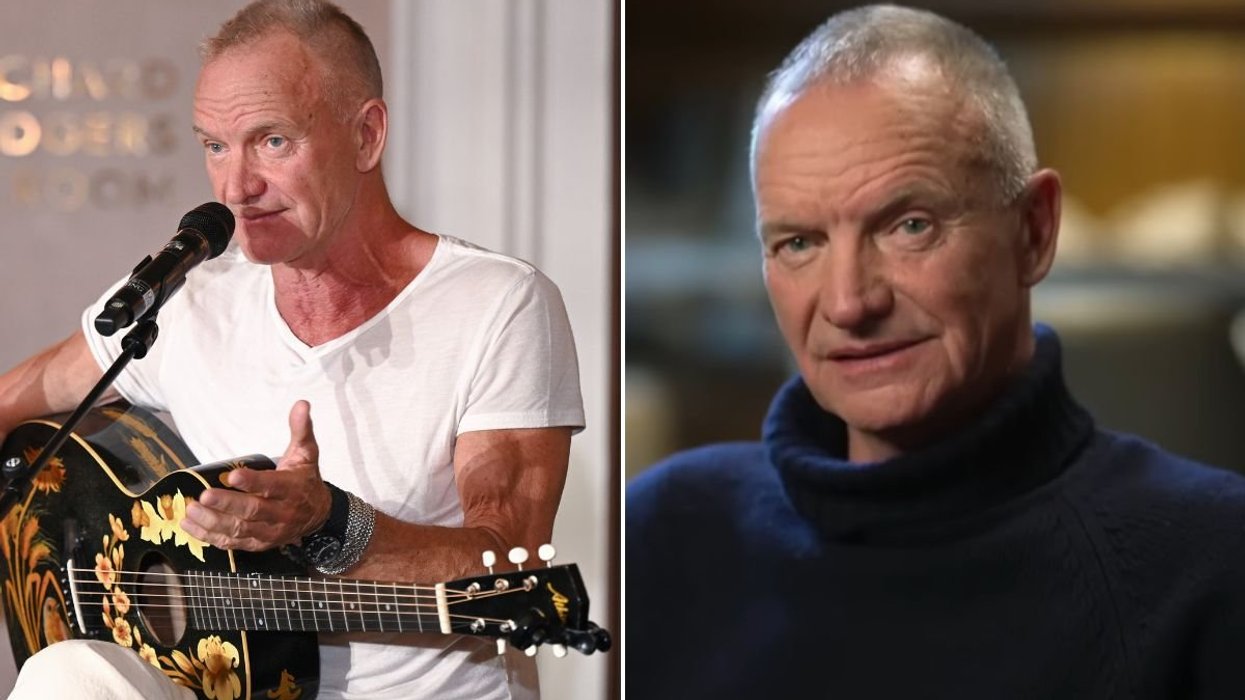








Sting has linked the disappearance of physical labour with the rise of harmful masculine behaviours as the singer reflected on toxic masculinity.
The 74-year-old musician opened up on the issue while discussing how his shipyard musical would be returning to London's West End this autumn.
Speaking to the Guardian, the musician suggested that deindustrialisation had robbed men of productive physical outlets.
"I work with my hands every day as a musician, and I'm lucky," he said. "It's a rare thing for modern men to actually use their hands and use their strengths to do anything. We've lost something there."
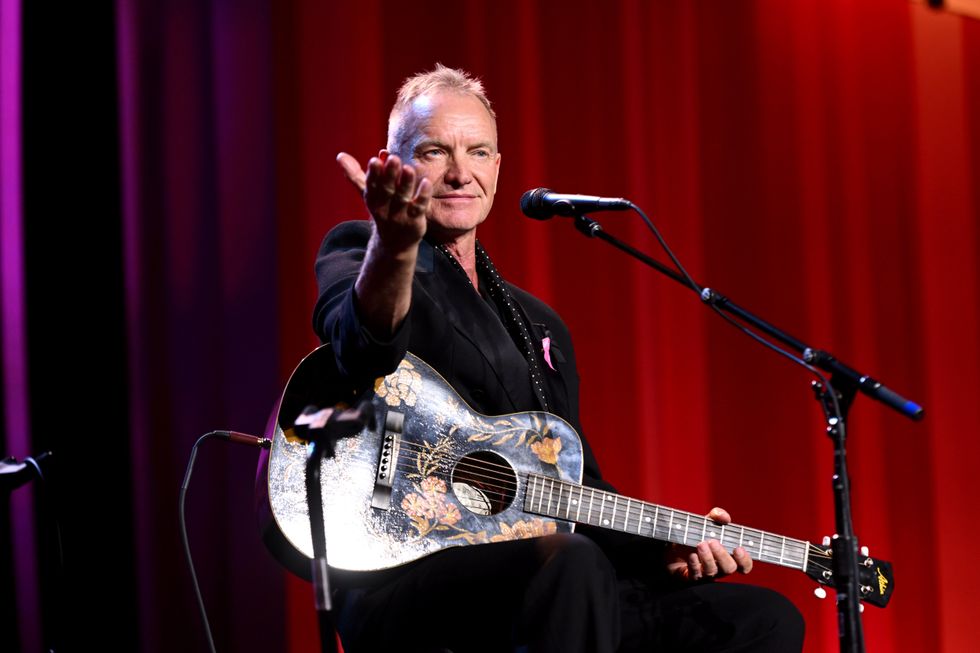
The musician suggested that deindustrialisation had robbed men of productive physical outlets
|GETTY
The singer acknowledged he lacked definitive answers but proposed that current societal toxicity might stem from misdirected male energy.
"Maybe the toxicity in society at the moment is [a result of the fact] that we've lost that direction for our energy, that male strength," he added.
The Last Ship, which first premiered in Chicago in 2014 before transferring to Broadway, tells the story of workers facing redundancy at a shipyard modelled on Swan Hunter's in Wallsend, where Sting spent his childhood.
The production will open at the Theatre Royal Drury Lane in September, with Sting himself taking a starring role alongside composing the score.
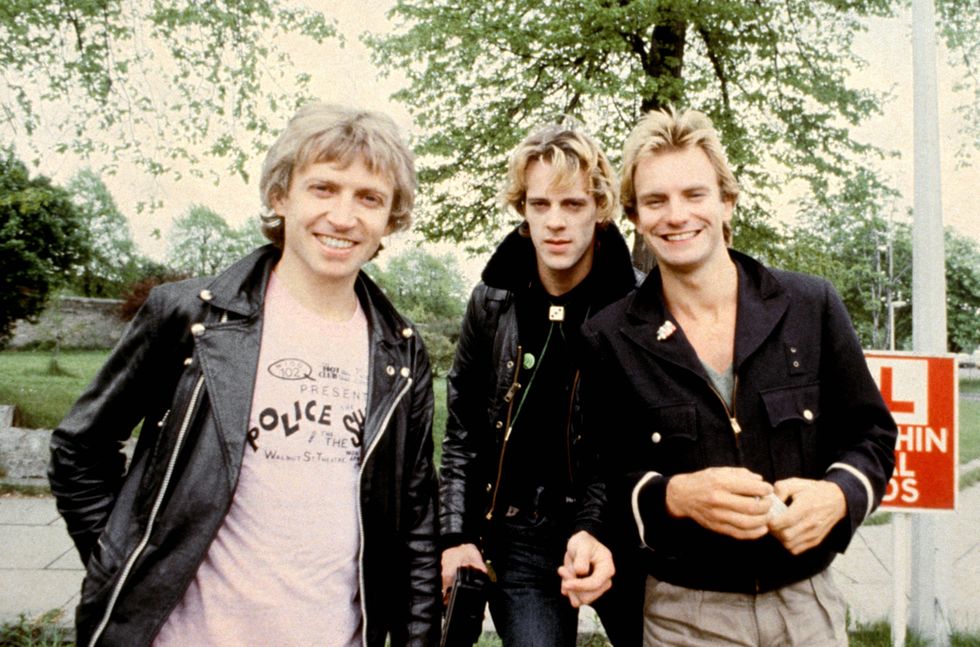
Andy Summers, Stewart Copeland and Sting formed Police
|GETTY
According to the musician, the shipyard closures during the 1970s and 80s marked the beginning of decades of governmental neglect towards northern England.
"Britain's wealth was created in the coalfields and the steel towns and the mill towns and the shipyards," he said.
"All of those skill sets were thrown on the scrapheap for Thatcher's dream of a service economy."
The musical's male characters grapple with existential crisis as their livelihoods vanish, with one asking: "For what are we men without a ship to complete?"
LATEST DEVELOPMENTS
However, Sting insisted the production avoids romanticising an industry plagued by hundreds of annual accidents and regular fatalities.
"I'm the guy who didn't want to work there and for good reason," he said. "They were working in asbestos, all kinds of toxic chemicals."
Despite this, the musician expressed longing for the tight-knit community of his upbringing.
"That environment was so rich with symbolism," he explained. "The town, although it was depressed a lot of the time, was extremely proud of the ships that were built there."
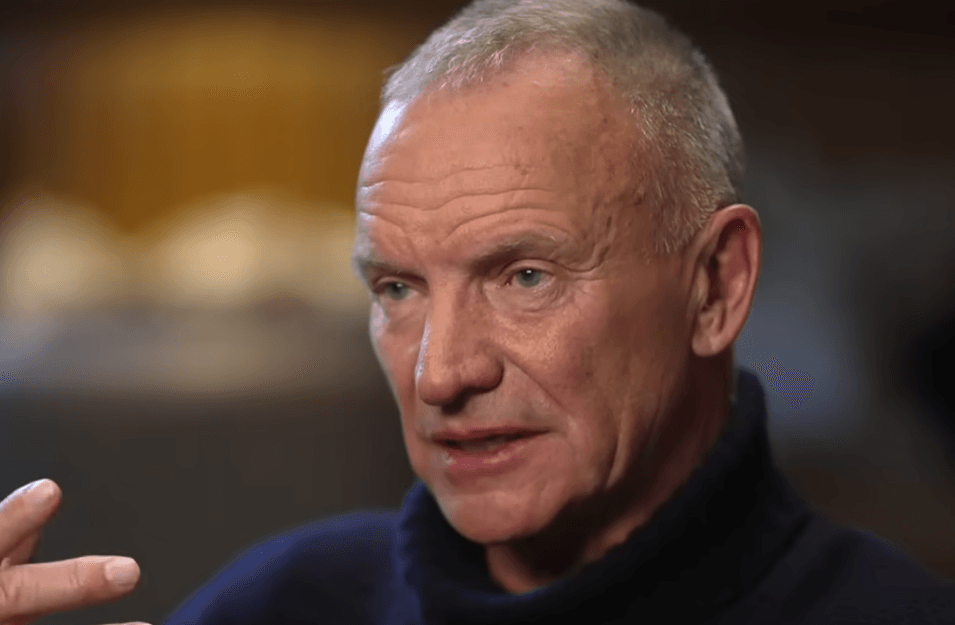
Sting reflected on his musical as he discussed toxic masculinity
|CBS
Workers endured gruelling, hazardous conditions yet derived immense satisfaction from their creations, he noted, describing the civic pride as "massive".
The Broadway production received a mixed critical response and failed to replicate the commercial success of other regionally-rooted British musicals such as Billy Elliot and Kinky Boots.
Since then, the show has undergone significant revisions, including character cuts and a fresh book penned by Barney Norris, while touring internationally.
Sting reflected that opting for an entirely original work rather than adapting existing material or creating a jukebox musical from his catalogue proved challenging but ultimately rewarding.
"It's been incredibly difficult and challenging, but also the most rewarding exploit of my life," he said.
Meanwhile, the musician remains locked in a High Court dispute over alleged unpaid royalties with his former Police bandmates Stewart Copeland and Andy Summers, having reportedly paid more than £500,000 since legal proceedings began.