










A controversial Covid vaccine remained in use despite thousands of reports of heart conditions to the UK drug regulator, confidential files reveal.
The jab was widely hailed as a “triumph for British science” by then-Prime Minister Boris Johnson in 2020 and became the cornerstone of the UK’s early vaccine rollout.
However, increasing fears grew around the AstraZeneca (AZ) vaccine after it was released in January 2021 following reports linking it to potentially deadly heart defects and blood clots. It has since been withdrawn.
Previously unseen documents, obtained through Freedom of Information (FOI) requests, reveal the scale of reported adverse events associated with the AZ jab. At the same time, internal discussions were taking place within the UK drug regulator, the Medicines and Healthcare products Regulatory Agency (MHRA), about emerging safety data.
TRENDING
Stories
Videos
Your Say
The confidential files show that in 2021 alone, the MHRA received 48,472 reports of heart disorders linked to the vaccine.
Last night, the MHRA dismissed these figures and said the true number of spontaneous heart problems reported linked to the vaccine was almost four times lower at a total of 13,010.
A spokesman could not explain the difference. He said: “We are currently reviewing previously released figures in more detail to identify any potential discrepancies.”
The AZ jab was plagued with concerns throughout its use.
Separate FOI requests also show a special Government-backed task force, set up to examine the risks of Covid vaccines, discussed concerns linking the jab to dangerous blood clots at a meeting in April 2021.
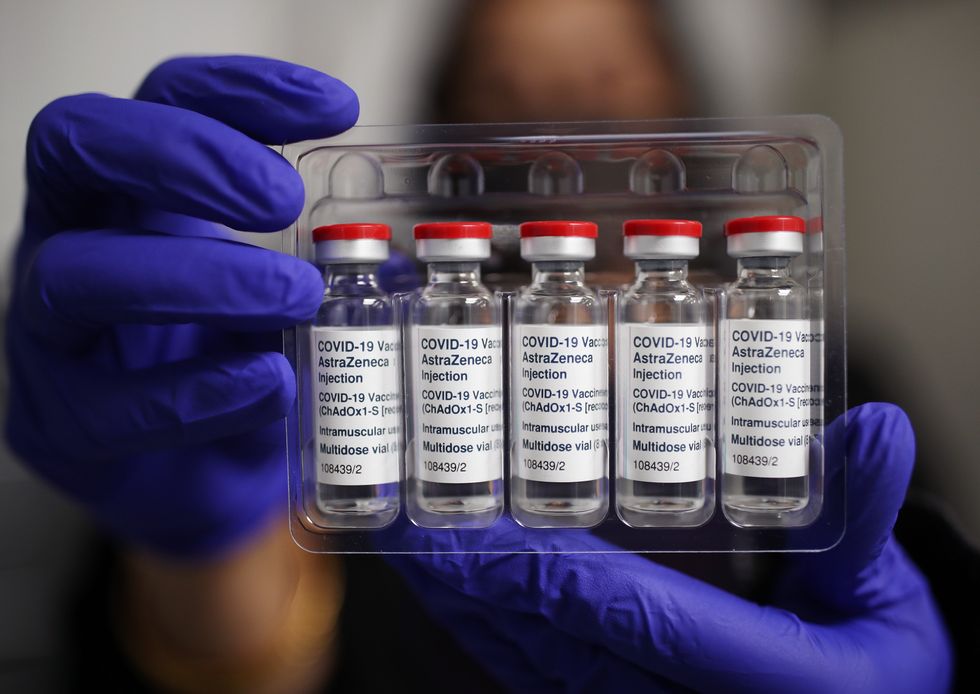
Confidential files show that in 2021, the MHRA received 48,472 reports of heart disorders linked to the vaccine which the MHRA has dismissed
| PAMinutes from the Commission on Human Medicines (CHM) Covid-19 Vaccines Benefit-Risk Expert Working Group, which were published in 2024, show that while these concerns had been acknowledged, the group concluded the evidence was not sufficient at that stage to issue a public alert.
The minutes also record concerns that public alarm over the vaccine could make it harder to vaccinate the population by increasing “vaccine hesitancy”.
Despite this, by March 2021, many countries had suspended use of the AstraZeneca jab amid these blood-clotting concerns. These included Sweden, France, The Netherlands, Denmark, Germany, Italy, Spain, Cyprus, Luxembourg, Cyprus, and Portugal.
On April 7, 2021, the vaccine advisory group, the Joint Committee on Vaccination and Immunisation (JCVI), advised that adults under 30 should be offered an alternative vaccine.
The data has been analysed by Oxford researchers Dr Tom Jefferson and Professor Carl Heneghan and highlighted in their Substack, Trust the Evidence. They argue regulators were aware of safety signals beyond those communicated publicly and question whether earlier action should have been taken.
LATEST DEVELOPMENTS:
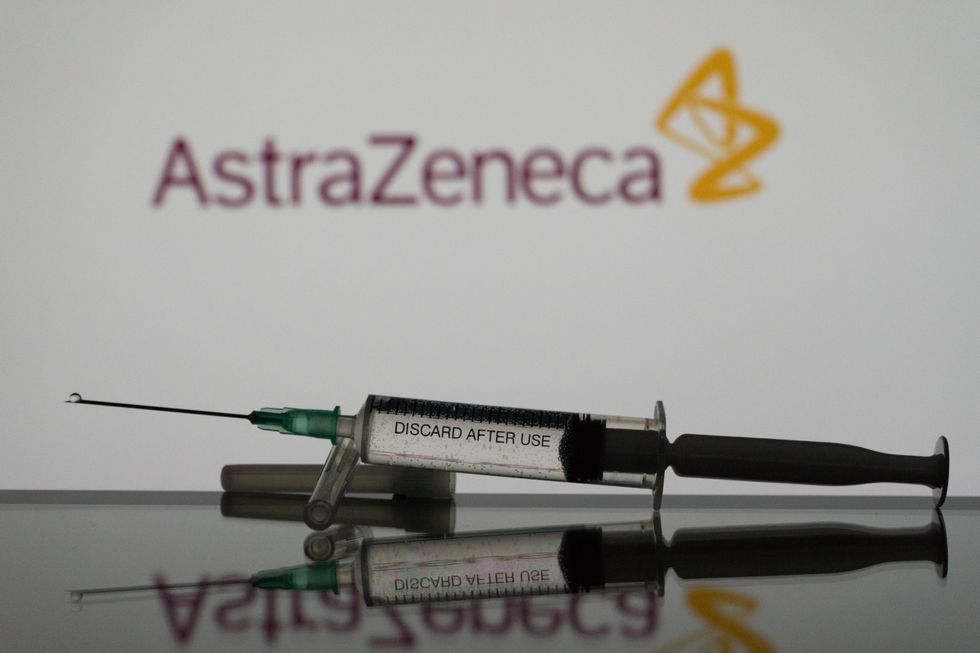
The Oxford-AstraZeneca Covid vaccine was withdrawn worldwide in 2023
| GettyThe scientists also asked regulators to disclose how many doses of the AZ jab were administered in the UK.
However, the UK Health Security Agency, which oversees public health measures, refused, stating the information is “commercially sensitive” and that releasing it is “not in the public interest”.
Although the MHRA has repeatedly stressed that serious side effects from the AstraZeneca jab are “extremely rare”, Dr Jefferson said the regulator’s response to the volume of reports raises questions about transparency and oversight.
He said: “The explosion in reports despite the heavy Government propaganda and virtual coercion to be vaccinated should have been investigated and worried regulators.”
He added: “People are losing faith with bodies who serve the interests of politicians and drug companies rather than the people.
“You cannot continue to dictate a programme and expect high vaccine coverage if you ignore the risks and keep people in the dark.”
The researchers are now calling for the full release of safety data relating to the AZ jab and for the MHRA’s internal minutes to be published, “not left to gather dust in obscure government PDFs”.
In May last year, AstraZeneca voluntarily withdrew its marketing authorisation for the vaccine, citing “commercial reasons”, after admitting in UK court documents in February 2024 that the jab can, in “very rare cases”, cause blood clots. This admission is now central to a growing class action lawsuit brought by individuals who say they suffered life-changing injuries.
In February 2023, MPs from the All-Party Parliamentary Group (APPG) on Pandemic Response and Recovery wrote to the Health Select Committee alleging that the MHRA identified patterns of heart and clotting reports as early as February 2021 but did not disclose them in full.
An inquiry into the MHRA’s handling of vaccine safety has since been described by MPs as “very likely”.
The MHRA continues to defend its actions, maintaining that vaccines used in the UK are “safe and effective”.
It says the Yellow Card system is designed to detect “very rare” side effects rather than establish direct causation, and insists the benefits of vaccination outweigh the risks of Covid-19.
More From GB News