






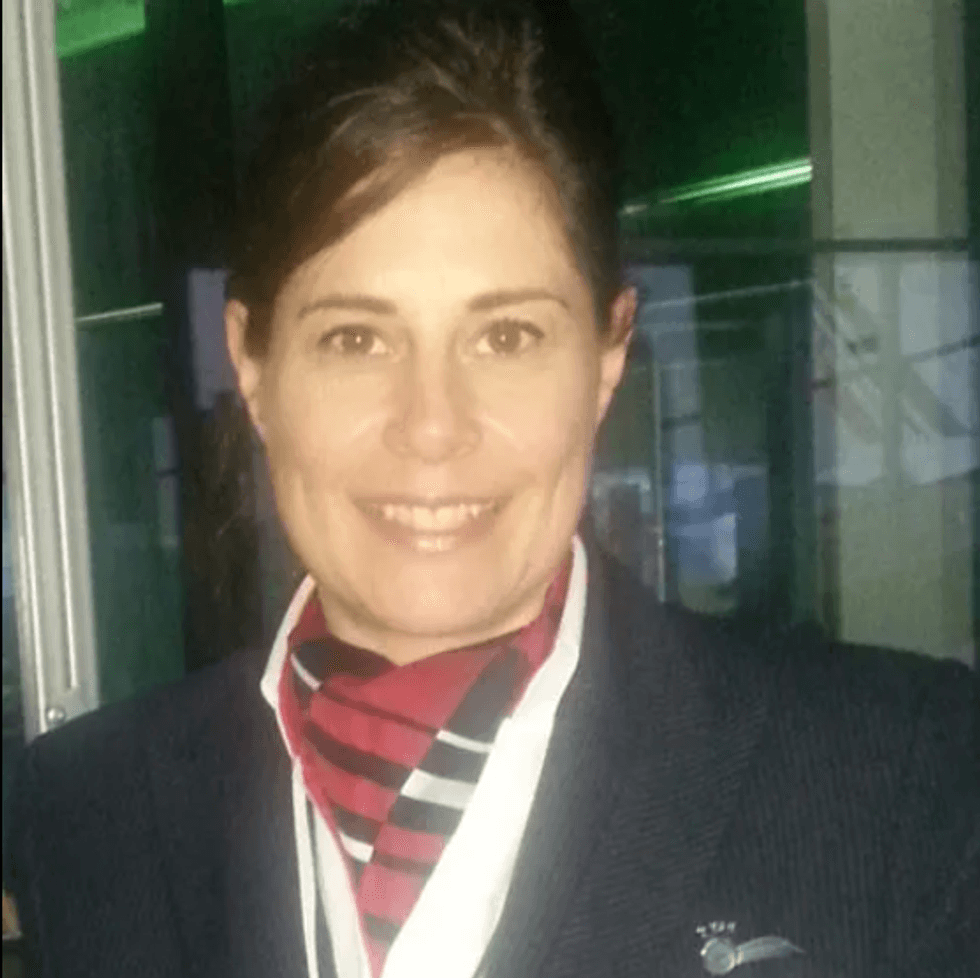
A British Airways cabin crew member is suing the airline, seeking £72,500 in damages after sustaining serious injuries during a turbulent flight approaching Mumbai in June 2019.
Laura Lanigan, 56, from Richmond, southwest London, claims the pilot of the Boeing 777 she was working on flew too close to a storm cloud, placing the aircraft "in the danger zone".
The experienced stewardess, who served with BA for nearly three decades, suffered a fractured knee and dislocated shoulder when the plane experienced what she described as a "sudden and severe" bout of turbulence during the final stages of the nine-hour journey from London Heathrow.
The case is currently being heard before Judge David Saunders at Central London County Court.
Mrs Lanigan was working in the aircraft's galley as the plane prepared for landing when it suddenly rose and dropped violently, throwing her into the air before she crashed back down onto the floor.
The impact caused her to twist her left knee badly, while her shoulder struck galley furniture during the fall.
An unsecured water canister then toppled onto her as she lay injured.
Giving evidence, she told the court the conditions had been too rough to serve hot drinks during the breakfast service, though the severe jolt that caused her injuries came without warning.
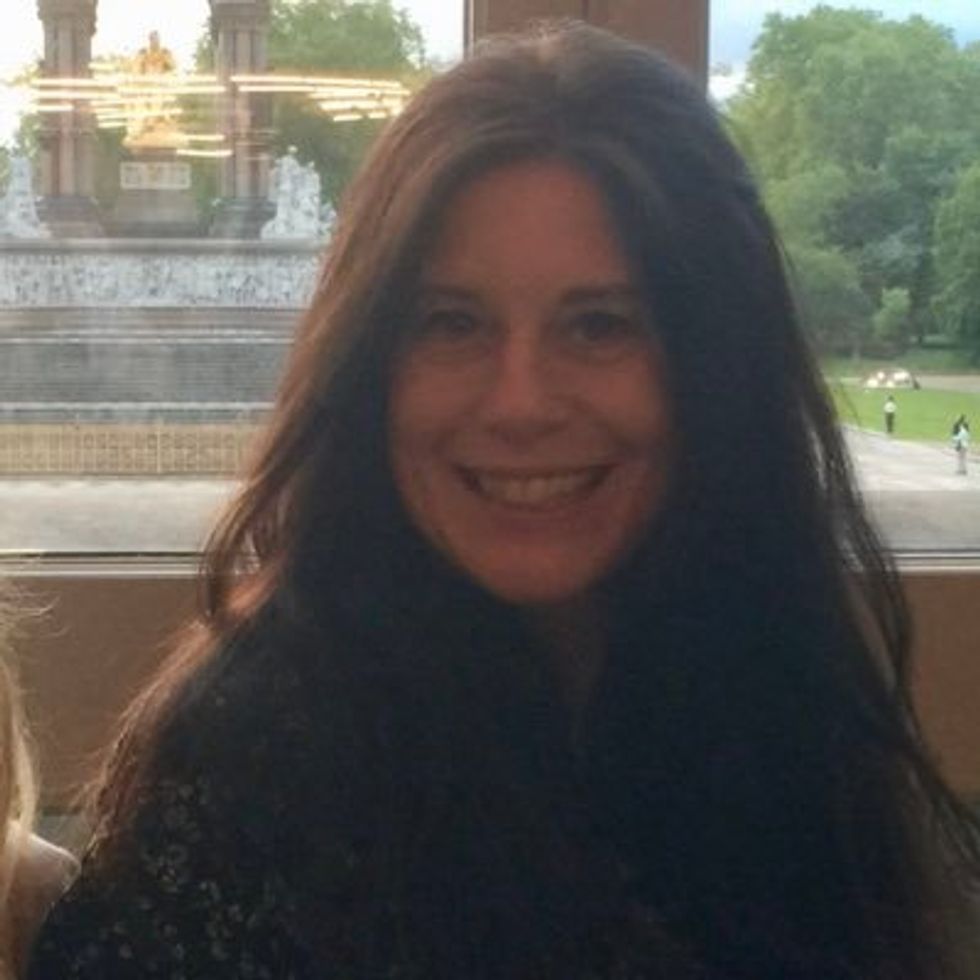
Laura Lanigan told the court the conditions had been too rough to serve hot drinks during the breakfast service
|"I remember trying to move. It felt like forever," she said, explaining that ongoing turbulence prevented her from reaching a seat as the aircraft continued its descent.
She was ultimately removed from the plane in a wheelchair.
Mrs Lanigan's barrister, Sinclair Cramsie, argued that the pilot failed to identify and avoid a cumulonimbus cloud, described as a large, dark storm formation.
According to aviation protocol, aircraft should maintain a distance of at least 20 miles from such clouds, but the flight path brought the plane within this prohibited zone, he claimed.
LATEST DEVELOPMENTS
She was ultimately removed from the plane in a wheelchair
|X
"We say that the path that was being taken was sufficiently proximate to the cumulonimbus cloud that it was within the danger zone," Mr Cramsie told the court.
He noted that his client described the incident as the worst turbulence she had encountered in approximately 30 years of flying.
Expert meteorological evidence presented to the court suggested the turbulence was likely thermal in nature, caused by nearby cumulonimbus clouds given the low altitude at which it occurred.
British Airways is contesting the claim, with barrister Peter Savory telling the court that pilots made proper observations and detected nothing suggesting a cumulonimbus cloud.
"The defendant's case is quite simply that the pilot made proper observations. Whatever they saw, the pilots say it wasn't a cumulonimbus," Mr Savory said.
An operating officer on the flight deck reported seeing only "fluffy white clouds" in the sky, while the aircraft's weather radar showed no indication of storm activity.
The airline's legal team emphasised that crew members received briefings about potential weather conditions before departure, including warnings about a cyclone that was subsequently avoided.
Mrs Lanigan was also alerted to possible rough conditions two hours before landing, with seatbelt signs illuminated approximately 40 to 45 minutes before the incident.
The trial continues.
More From GB News