








Labour is preparing plans which may increase energy bills for households and businesses to help finance a £1billion support package for the struggling manufacturing sector.
Officials at the Department for Business and Trade have held discussions with energy suppliers in recent weeks regarding the rollout of the British Industrial Competitiveness Scheme, which Sir Keir Starmer unveiled last year as a central pillar of Labour’s industrial strategy.
Sources with knowledge of the negotiations have indicated there is a "working assumption" the scheme will be funded through charges passed directly to consumers via their energy bills.
Such an approach would contradict previous Labour assurances that the funding would instead come from savings made elsewhere within the energy system.
TRENDING
Stories
Videos
Your Say
The British Industrial Competitiveness Scheme is expected to provide support to approximately 7,000 energy-intensive businesses across the UK.
Companies expected to benefit include manufacturers operating in sectors such as automotive production, aerospace engineering and chemical manufacturing.
Under the proposals, these businesses would see their discount on electricity network charges rise significantly from 60 per cent to 90 per cent.
Qualifying firms would also be exempt from paying several energy levies, including the renewables obligation, the feed-in tariff and capacity market charges.
The support package is being introduced at a time when British manufacturers face some of the highest industrial electricity prices in the developed world.
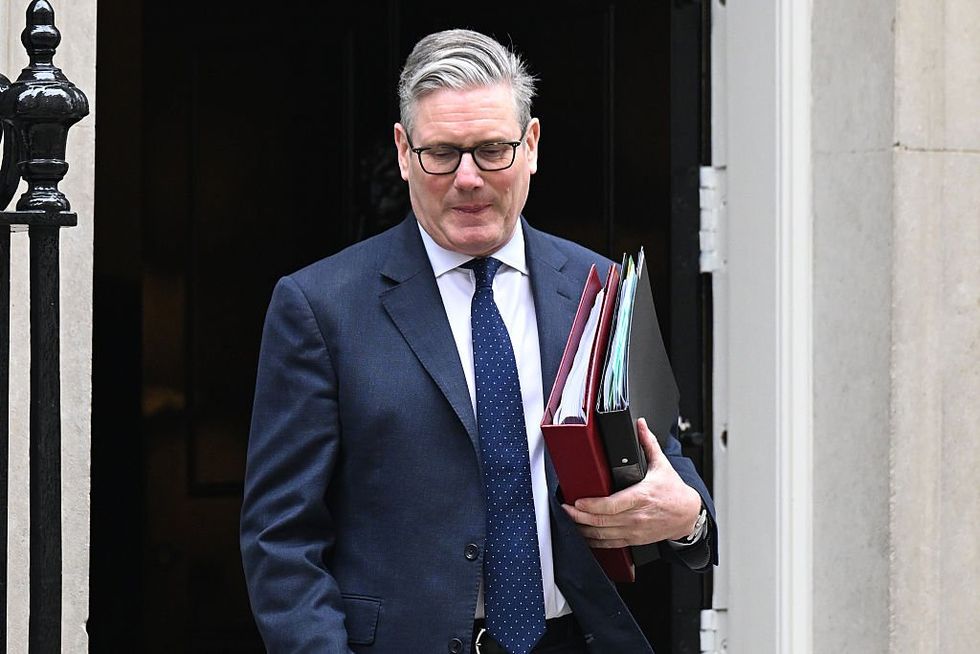
Households and businesses may face higher charges as Government explores new funding model
|GETTY
Industry groups have repeatedly warned high energy costs are placing considerable pressure on operations and investment across the sector.
Manufacturing body MakeUK has estimated the annual cost of the scheme will total approximately £1billion.
Some of the funding is expected to come from reforms to subsidies currently paid to wind and solar farm operators.
However, discussions between officials and suppliers suggest that additional costs could still be passed on to consumers through energy bills.
LATEST DEVELOPMENTS

The proposal levy could add a minimum of £5 per year to bills
| GETTYEnergy industry representatives have raised concerns about the growing number of additional charges that have been attached to bills over recent years.
These so-called non-commodity costs now account for a significant portion of what households and businesses ultimately pay for energy.
Adam Berman, head of policy at Energy UK, which represents suppliers, said: "The Government has repeatedly offered assurances that the BICS scheme will not be funded through energy bills."
He added: "There will be deep frustration in the sector if this is not the case, and that yet another levy is being added to energy bills pushing up costs for homes and businesses across the country."
Mr Berman said support for energy-intensive industries remains important but warned that it should not place additional pressure on other parts of the economy.
Those familiar with the discussions have indicated the proposed levy could add a minimum of £5 per year to the energy bills of a typical household.
Such an increase would further reduce the £150 cut to bills that ministers had previously promised for the spring.
That reduction has already been scaled back to £117 following increases in electricity network charges.
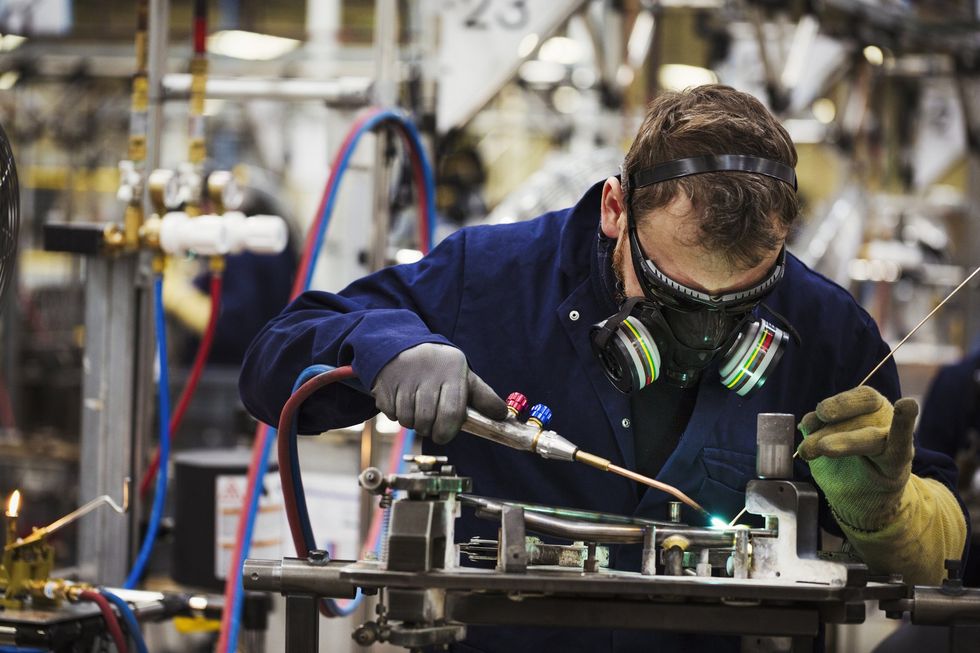
British manufacturers face some of the highest industrial electricity prices in the developed world.
|GETTY
One source close to the talks described the funding approach as "raising Peter's levies to lower Paul's", adding the proposal would coincide with expected increases in costs from generator and network companies.
The discussions come during a period of volatility in global energy markets following tensions involving Iran, which have contributed to rising oil and gas prices.
Analysts have suggested that average household energy bills could reach £2,500 per year if wholesale prices continue to climb.
A Government spokesman declined to deny the claims when approached on Friday, adding further details about the scheme would be published in due course.
Our Standards: The GB News Editorial Charter
More From GB News