










The number of people living with glaucoma in the UK is set to surge dramatically over the coming decades, with new research from UCL and Moorfields Eye Hospital predicting cases will jump by 60 per cent by 2060.
This is a significant increase from roughly 1.1 million people today to around 1.6 million.
The institution's latest study, which appears in the British Journal of Ophthalmology, draws on recent census figures alongside population forecasts from the Office for National Statistics.
Currently, approximately three per cent of Britons over 40 are affected by the eye condition, which can lead to blindness without proper treatment.
TRENDING
Stories
Videos
Your Say
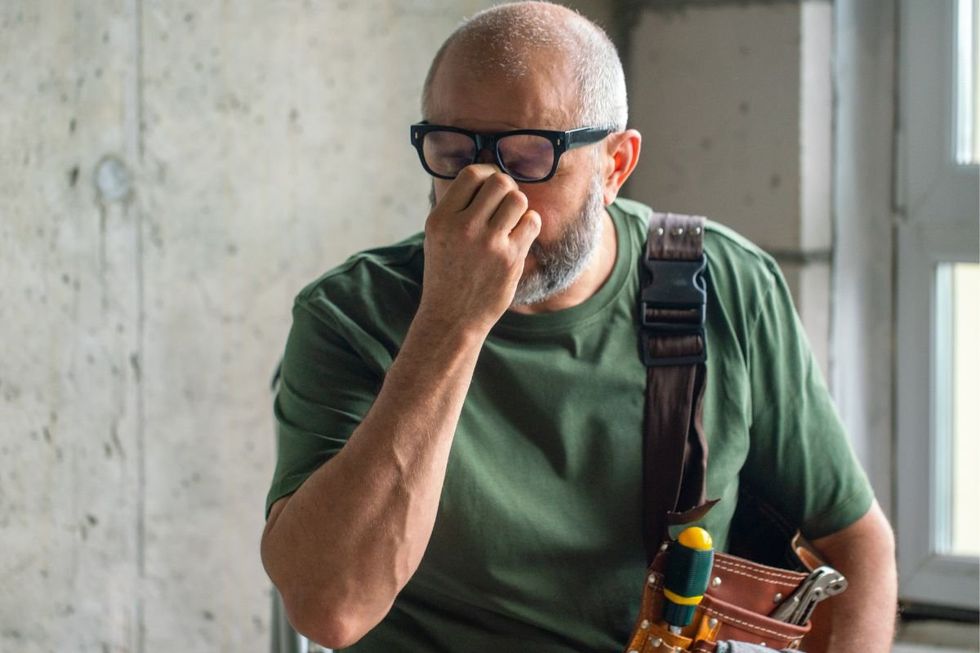
Regular eye check-ups matter for catching glaucoma
|GETTY
The findings really hammer home why regular eye check-ups matter so much for catching glaucoma before it's too late.
What is glaucoma?
Clinical adviser at The College of Optometrists, Denise Voon, describes glaucoma as "a group of diseases in which the optic nerve is damaged by pressure of the fluid inside the eye".
Ultimately, this can affect "one or both of your eyes and can lead to sight loss if not treated".
There are several varieties of condition, but the most common in the UK is chronic glaucoma, which creeps up gradually over time.
"Chronic glaucoma develops slowly and is the most common form in the UK, while acute glaucoma (also referred to as acute angle-closure glaucoma) is caused by a rapid increase in pressure," explained Denise.
Who's most at risk?
While anyone can develop chronic glaucoma, certain factors bump up the risk considerably.
"The risks increase if you're over 40, are very short-sighted, are of African or Caribbean origin, or have a close relative (first degree relative, a brother, sister, parent) of someone with chronic glaucoma, if you're known to have raised pressure in your eyes, if you're diabetic, and if you have high blood pressure," noted Denise.
LATEST DEVELOPMENTS
The picture looks a bit different for acute glaucoma, though, as women face greater susceptibility to this form, and being over 40 remains a key factor.
The risk is also greater if you're East Asian or South Asian, if you've got a family history of close-angle glaucoma, or if you're long-sighted because your eyes are a little bit smaller.
Acute glaucoma tends to announce itself with clear warning signs like eye pain, blurred vision, and halos appearing around lights.
The NHS also flags redness, tenderness, nausea, and headaches as symptoms worth noting.
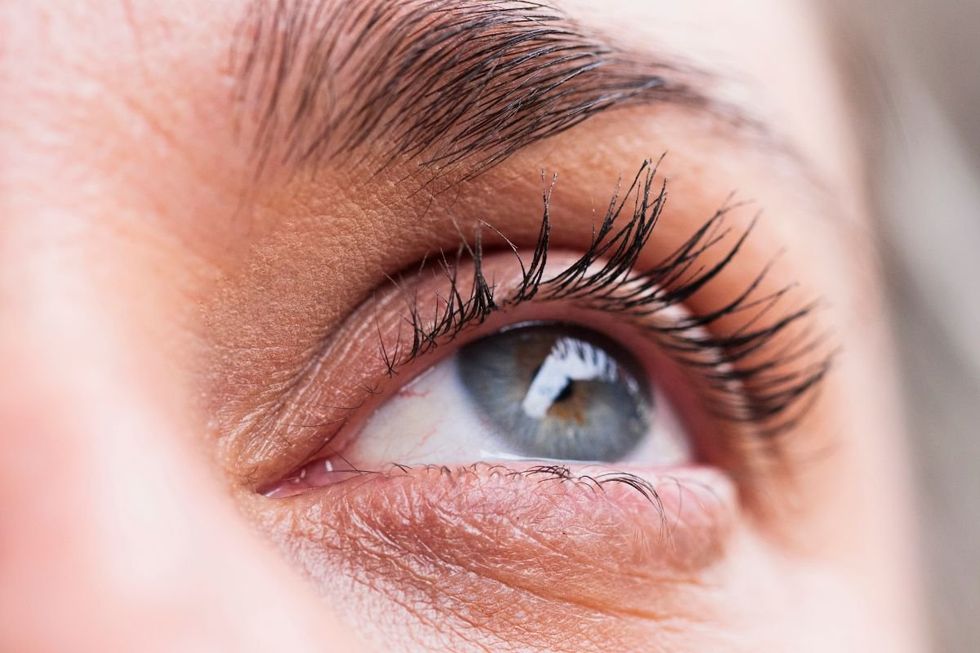
Cases of glaucoma could jump by 60 per cent by 2060
|GETTY
"However, with chronic glaucoma, there aren't any symptoms in the early stages, and the only real way to pick it up is to go and see your optometrist regularly," explained Denise.
"In the very late stages of untreated glaucoma, you'll notice tunnel vision.
"So, your peripheral vision will slowly decrease more and more until you get to a point where you only retain that central part of your vision."
Our Standards: The GB News Editorial Charter