





Labour's pension minister has confirmed it will keep automatic enrolment thresholds frozen for the 2026/27 tax year, a move that could see more of workers’ pay diverted into pension saving as wages rise.
While the decision provides stability for employers, experts warn it could quietly put pressure on take-home pay for millions, particularly lower earners.
Pensions Minister Torsten Bell completed the annual statutory review of the thresholds, keeping the earnings trigger at £10,000 and the qualifying earnings band between £6,240 and £50,270.
The announcement came as Mr Bell addressed Parliament, outlining that the primary objective of this year's review was to maintain stability for both employers and individuals while the revived Pensions Commission carries out its work.
TRENDING
Stories
Videos
Your Say
The earnings trigger determines when workers are automatically enrolled into a workplace pension scheme, whilst the qualifying earnings band sets the portion of salary on which minimum contributions are calculated.
By holding these figures steady rather than adjusting them in line with inflation or wage growth, a greater share of any pay rise will automatically attract pension contributions.
Jon Greer, head of retirement policy at Quilter, warned that keeping thresholds frozen should not be confused with inaction.
"As wages rise and the lower earnings limit of the qualifying earnings band remains at £6,240, more of peoples earnings will be brought into automatic enrolment and a greater proportion of earnings will be subject to pension contributions," he said.
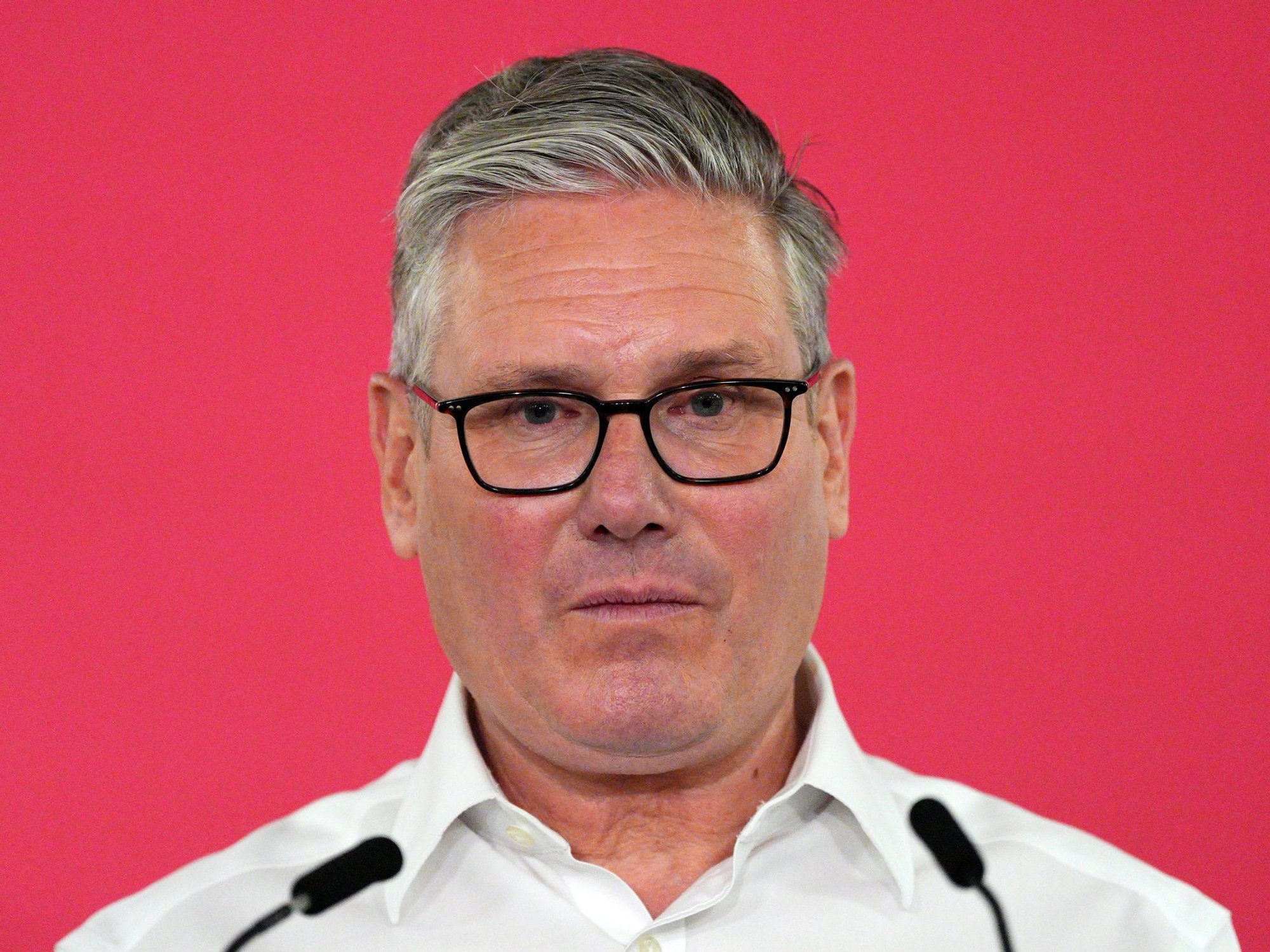
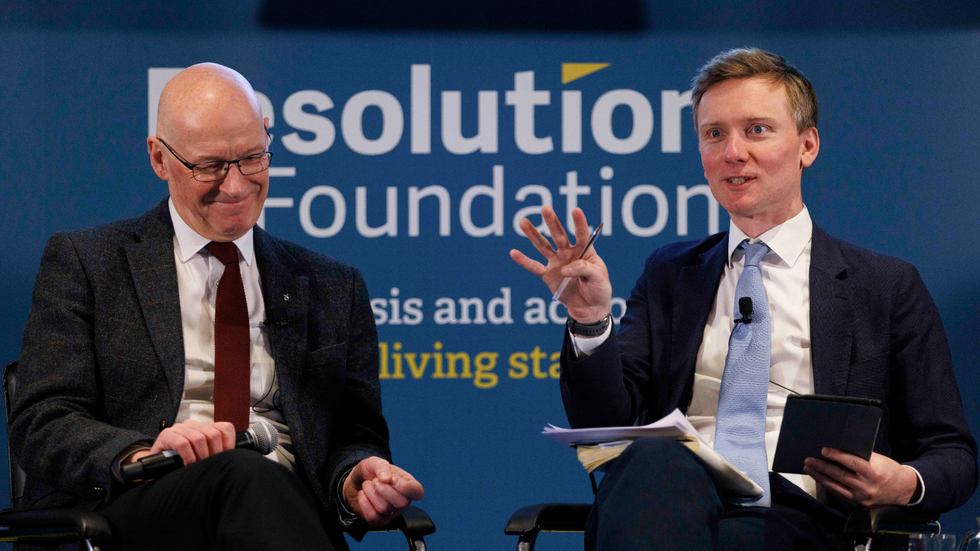 Treasury minister Torsten Bell (pictured right with Scottish First Minister John Swinney) is the former chief executive of the Resolution Foundation | GETTY
Mr Greer described this as a form of "pensions fiscal drag" where contribution levels effectively increase by default rather than through deliberate policy choices.
"For workers, particularly those on lower incomes, this can feel like a squeeze on take-home pay," he added.
Kelly Parsons, Head of DC Proposition at financial services consultancy Broadstone, echoed these concerns warning that increasing rates could push lower earners to opt out entirely as households grapple with competing financial demands.
The Government has justified its approach by pointing to the ongoing work of the Pensions Commission, which Mr Bell said was revived to "finish the job we started 20 years ago".
LATEST DEVELOPMENTS
The pensions minister confirms pension move that could leave millions of Britons with less take-home pay
| GETTYMinisters acknowledge that despite automatic enrolment transforming workplace pension saving for millions, a significant number of people remain at risk of not putting enough aside for retirement.
The Commission has been tasked with examining why future pensioners are on course to be worse off than current retirees and will make recommendations for reform.
Mr Bell emphasised that those on the lowest incomes and at greatest risk of poverty or undersaving would be a particular focus.
Ms Parsons echoed these concerns about the threshold freeze creating a passive but powerful mechanism.
"Holding the auto-enrolment thresholds steady has a quietly powerful effect, akin to fiscal drag in taxation," she said.
With the trigger fixed at £10,000 and the qualifying earnings band unchanged, Ms Parsons noted that wage increases naturally draw more employees into pension saving and boost contributions without any adjustment to headline rates.
She described the decision to maintain current levels as "largely a formality" that had been widely anticipated across the industry.

Improving retirement outcomes would ultimately require higher contribution rates
| GETTYDespite the benefits of stability, Ms Parsons highlighted that improving retirement outcomes would ultimately require higher contribution rates over time, though this presents its own difficulties.
She warned that increasing rates could push lower earners to opt out entirely as households grapple with competing financial demands, while boosting contributions at the lower end of the pay scale often yields only modest improvements to pension pots.
"A credible long-term plan is needed one that balances gradual contribution increases with clearer policy intent across the different pillars of pension provision," Ms Parsons said, adding that without such a strategy, larger problems would simply be stored up for future retirees.
More From GB News