








Time is running out for millions of self-employed workers and higher earners to file their online tax returns before the January 31 deadline, with those who miss it facing an immediate £100 penalty from HM Revenue and Customs (HMRC).
Mike Ambery, the retirement savings Director at Standard Life, part of Phoenix Group, warned: "The deadline for Self-Assessment is just two weeks away, and many self-employed and higher earners will be feeling under pressure to act."
He added: "While tax returns certainly aren't known for being fun, not doing them on time can be surprisingly costly, with HMRC charging a £100 fine for those who miss the initial deadline alone."
Those required to submit include sole traders, business partners, and individuals earning above £150,000 annually. The recent Autumn Budget provided no respite from frozen tax thresholds, meaning rising wages are pushing more households into self-assessment territory for the first time.

Britons face a £100 tax fine if they miss a looming HMRC deadline
|GETTY
Analysts note that families claiming child benefit face particular risk, as the £60,000 threshold for HMRC's high-income child benefit Charge remains unchanged by the Government.
Mr Ambery explained: "This is particularly relevant for families claiming child benefit, where even a small increase in income can leave individuals and households subject to the HICBC and create the obligation to submit a return."
Anyone who earned above £60,000 during the 2024/25 tax year while receiving child benefit must declare this on their return or risk a penalty.
Where one partner exceeds the threshold but the other does not, responsibility for declaring the benefit falls to the higher earner.

Families at risk of losing extra tax relief
| GETTYFor those earning above £50,271 annually, filing a self-assessment presents an opportunity to reclaim money rather than simply meeting obligations.
While all pension savers automatically receive 20 per cent tax relief on contributions, higher rate taxpayers are entitled to an additional 20 per cent that must be actively claimed.
Mr Ambery noted: "Unless you're using salary sacrifice to make pension contributions, higher rate taxpayers might need to claim the extra 20 per cent of tax relief they are entitled to."
This additional relief can be returned through a tax rebate, an adjusted tax code reducing future payments, or a reduction in the current year's bill.
LATEST DEVELOPMENTS
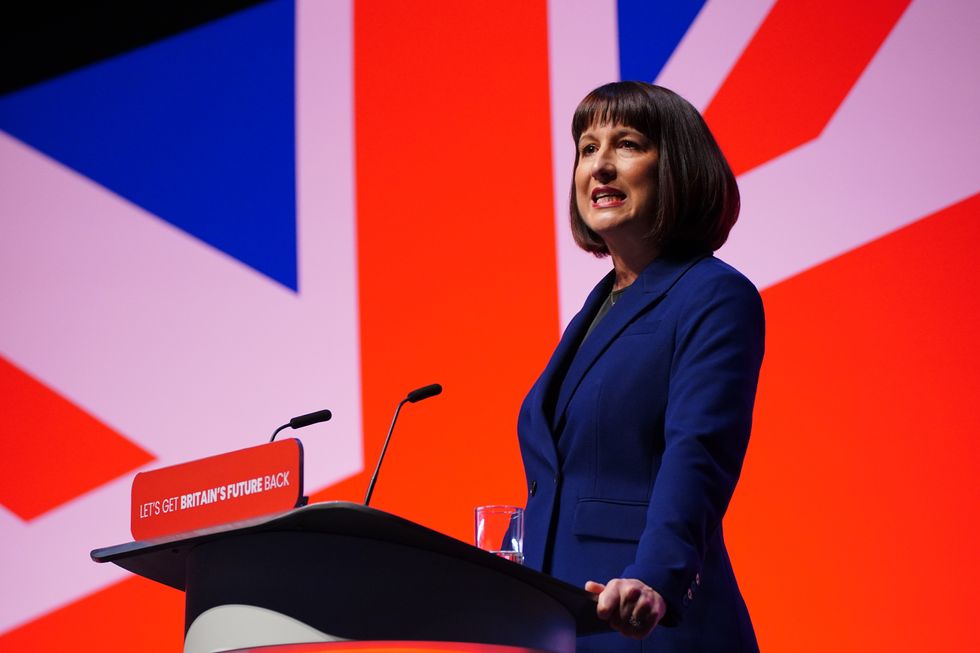
The Chancellor has come under fire for her tax decisions
| PAThose who have paid higher rate tax but never submitted returns may have accumulated unclaimed relief stretching back years, with claims permitted for up to four previous tax years.
HMRC requires Self-Assessment submissions from anyone who worked as a sole trader and earned more than £1,000 before deductions, as well as business partnership members and those who paid capital gains tax (CGT) on asset sales.
Individuals with savings interest, investment income or dividends exceeding £10,000 must also file, along with those receiving more than £1,000 from property or land.
Mr Ambery highlighted that salary sacrifice arrangements offer an effective strategy for reducing taxable income, as workers can exchange part of their wages for pension contributions.
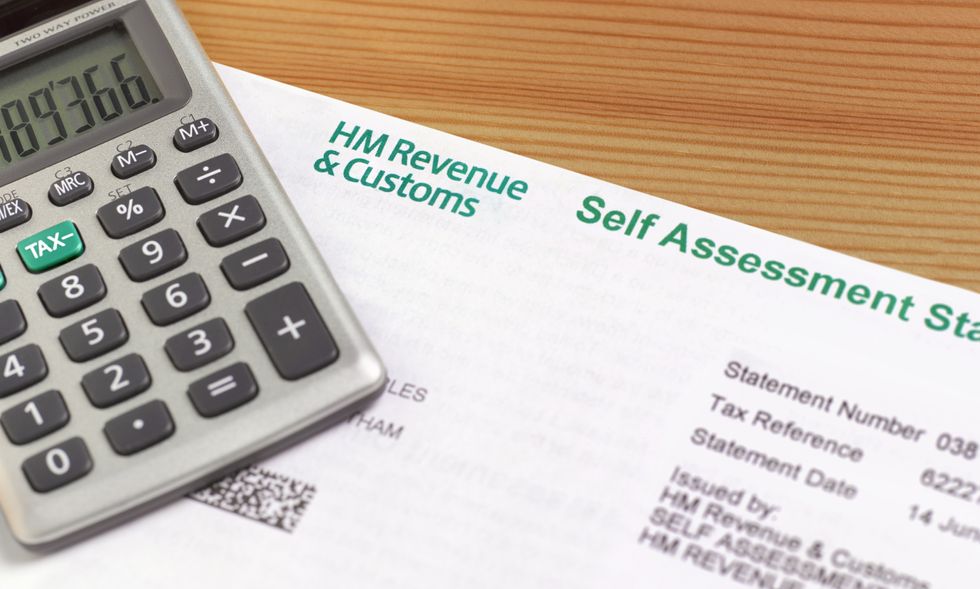 Self-employed individuals need to file their tax returns | GETTY
On the looming Self-Assessment deadline, TotallyMoney CEO Alastair Douglas urged British taxpayers to act as soon as possible to avoid long waiting times when dealing with the tax authority.
He said: "Millions of taxpayers will need to complete their self-assessment returns before the end of the month. And, as we edge closer to the deadline, more, and more people will be picking up the phone to call the HMRC helpdesk.
"Lines are likely to be at their busiest nearer to the end of the month, and during the middle and latter parts of the day. So, if you need help with your return, it’s best to get it sooner, rather than later.
"Cracking on with your tax return might not only save you time, but also money. That’s because the taxman will start handing out £100 fines to anybody who files their return up to three months late and will charge a late payment interest rate of 7.75 per cent per year."
More From GB News