








The UK could receive an £11billion boost to gross domestic product (GDP) if the Labour Government tackles "rising female unemployment, especially young women", economists claim.
Britain's economy is losing billions of pounds due to growing female joblessness and a rising number of young women excluded from the workforce, according to the latest PwC Women in Work Index.
The annual report reveals that unemployment among women surged to 4.2 per cent in 2024, a significant increase from 3.5 per cent the previous year. The situation is particularly stark for younger women, with joblessness in this group climbing to 11.8 per cent from 9.5 per cent.
These figures point to fundamental weaknesses in the UK labour market, with the consultancy warning that an unequal workforce is emerging.

The Government is being urged to tackle 'rising female unemployment'
|GETTY
The surge in young women classified as Neet poses a substantial threat to economic growth, with PwC estimating that lowering this rate to 3.6 per cent could boost national output by as much as £11billion.
Official statistics from last week showed that Neets aged 16 to 24 reached 957,000 between October and December, rising from 946,000 in the preceding quarter.
Carol Stubbings, UK and EMEA managing partner at PwC, said: "Rising female unemployment, especially among young women, points to underlying weaknesses in our labour market at a time when AI is reshaping the economy and the skills needed.
"Reducing the number of young women who are Neet is not only a social imperative it is an economic one, with billions in potential gross domestic (GDP) product at stake."
 PwC are expected to be appointed as administrator | PA
LATEST DEVELOPMENTS
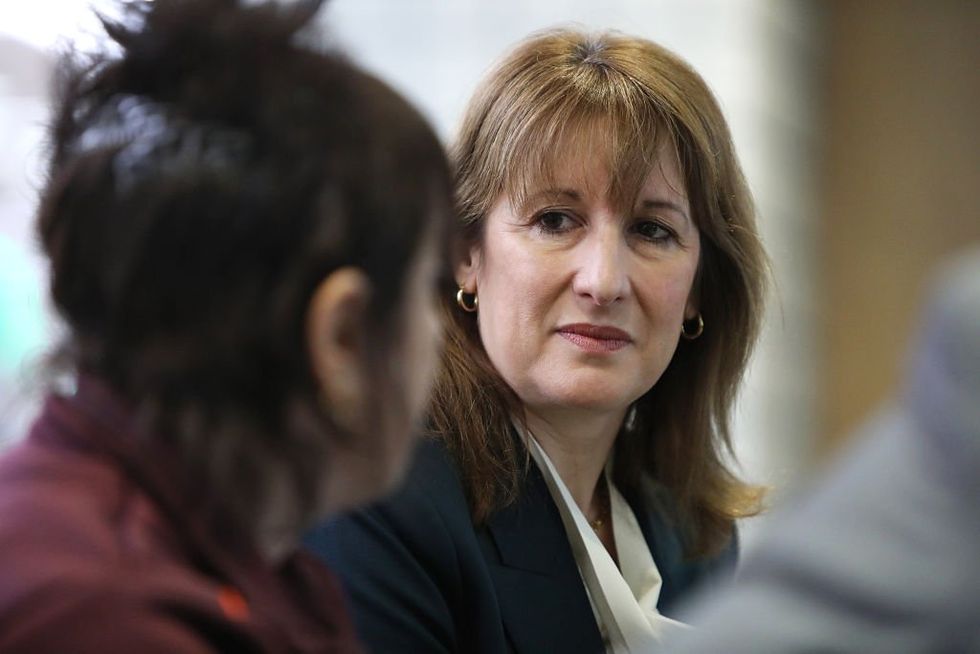 Rachel Reeves has made economic growth central her her agenda | GETTY
The report highlights that educational attainment plays a crucial role in determining outcomes, with young women who achieve poor GCSE grades facing a one in four probability of becoming Neet, compared to one in five for their male counterparts.
Health issues compound these challenges dramatically, with young women experiencing health conditions being more than four times as likely to fall into the Neet category, facing a 48 per cent chance versus 12 per cent for the average young woman.
Alia Qamar, senior economist at PwC UK, said: "This combined effect shows that the roots of inequality begin long before young women reach the jobs market, and why early support in school is so critical."
“Countries performing better than the UK demonstrate what’s achievable and how closing that gap would deliver meaningful gains."
 Unemployment among men hits highest level in over a decade: 'This is very worrying'
The UK secured 17th position in this year's index, a slight drop from 16th place in 2025, though it retained its status as the top-performing G7 nation.
However, PwC noted this ranking was largely attributable to other countries declining rather than British improvement.
Now in its 15th year, the index measures female workplace progress across 33 OECD member states, examining pay, participation, unemployment and full-time employment rates.
Across the OECD as a whole, advancement for women has decelerated to its slowest pace since the pandemic, driven by increased part-time working and rising unemployment among women.
More From GB News