








An urgent warning has been issued to taxpayers who need to report capital gains on their Self-Assessment returns this year, by accountancy firm BDO.
With the filing deadline now just three weeks away, the firm has highlighted a significant complication arising from mid-year changes to capital gains tax (CGT) rates.
The issue stems from HM Revenue and Customs (HMRC) online Self-Assessment software, which cannot automatically calculate the correct tax liability following rate adjustments introduced during the 2024/25 tax year.
As a result, taxpayers face an increased risk of submitting inaccurate returns and potentially incurring penalties if the correct figures are not entered manually.
TRENDING
Stories
Videos
Your Say
Anyone who sold assets during the tax year may need to carry out additional calculations themselves to ensure they pay the correct amount of tax.
The capital gains tax rate changes took effect from October 30 2024, the date of the Autumn Budget.
For basic rate taxpayers, the rate on most asset disposals increased from 10 per cent to 18 per cent. Higher-rate taxpayers saw their rate rise from 20 per cent to 24 per cent.
These revised rates apply to all assets except residential property and carried interest, which continue to be taxed under separate rules.
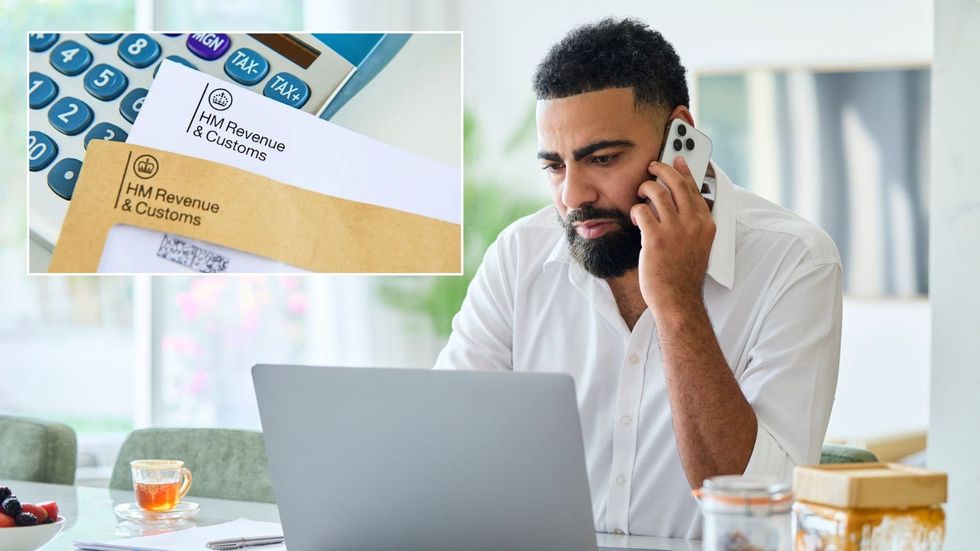
Taxpayers will need to take extra care reporting capital gains this year
|GETTY
The fact that the changes were introduced partway through the tax year creates added complexity for individuals who disposed of assets both before and after the Budget date.
In these cases, taxpayers must split their capital gains based on when each disposal occurred to determine which rate applies.
To maximise available relief, any capital losses and the annual exemption should be set against gains made on or after October 30.
HMRC’s self-assessment system continues to calculate Capital Gains Tax using only the pre-Budget rates, meaning taxpayers must override the figures produced by the software.
To do this correctly, filers are required to use adjustment box 51 on their self-assessment return to amend the calculated tax liability.
They must also include a clear explanation of how the figures were worked out in box 54.
HMRC has published a dedicated adjustment calculator designed to help taxpayers calculate the correct amount of Capital Gains Tax due.
There is an additional consideration for individuals who entered into unconditional contracts before October 30 2024 but completed the transaction at a later date.
In such cases, taxpayers may need to make a specific disclosure in their return to reflect the timing of the contract and disposal.
LATEST DEVELOPMENTS
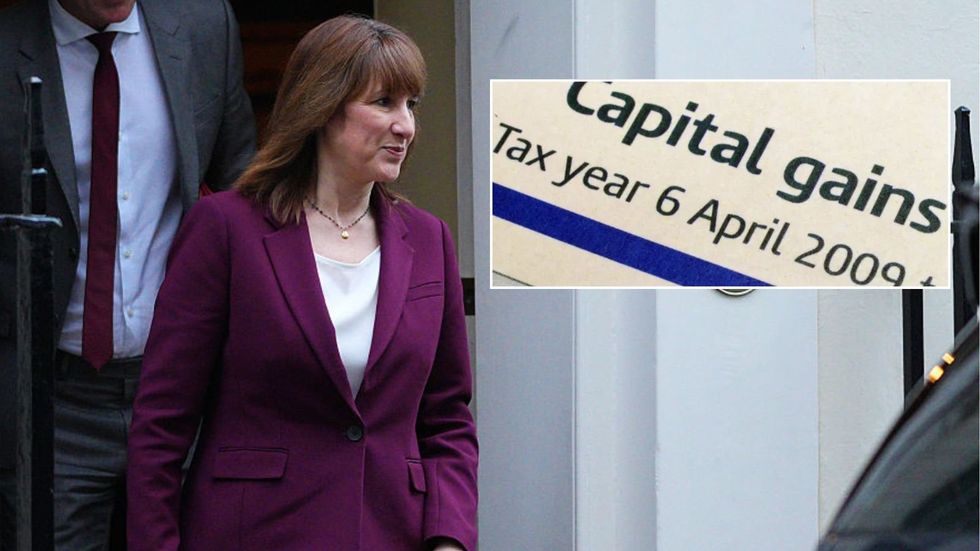
Capital gains tax (CGT) is a tax on the profit you make when you sell (or "dispose of") an asset that has increased in value
|GETTY
BDO warned that failing to take these extra steps is likely to result in errors that could prompt enquiries or penalties from HMRC.
Elsa Littlewood, private wealth tax partner at BDO, said the changes could easily catch taxpayers out.
"Changing the CGT rates part way through the year has the potential to be a real banana skin for those completing the form and can be particularly tricky for those doing so without professional help."
She said there was a risk that people unfamiliar with the changes could enter incorrect information because the self-assessment form does not automatically calculate the correct Capital Gains Tax liability.
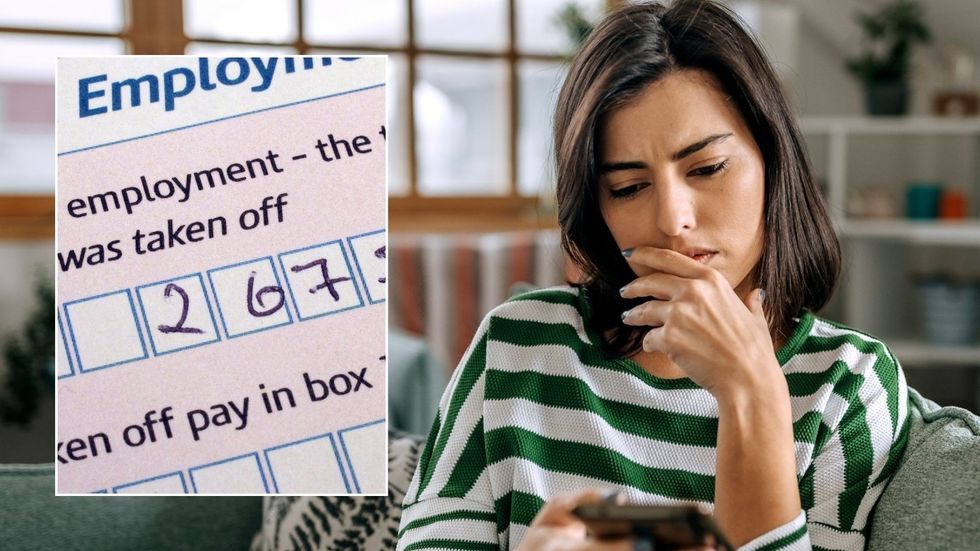 The Self Assessment deadline is fast approaching | GETTY/PA
 Ms Littlewood acknowledged that HMRC’s adjustment calculator was useful but said it would have been preferable for the functionality to be built directly into the self-assessment system.
"We would hope that HMRC would not charge penalties if tax returns submitted using HMRC’s software are incorrect and the amount unpaid is minor."
She added that a risk remained of mistakes being made, which could lead to disputes with HMRC at a later date.
She also warned that taxpayers who have already submitted their self-assessment return may wish to review it to ensure the correct capital gains tax has been paid.
More From GB News