









Grocery price inflation fell to four per cent in January, marking its lowest level since April.
The inflation rate declined from 4.3 per cent in December, easing pressure on household budgets after months of elevated costs as shoppers swapped branded products for store-brand goods.
The figures from market research firm Worldpanel show consumers are continuing to adapt their shopping habits in response to the cost of living, with value remaining a central consideration for many households.
Supermarket own-label products accounted for a record 52.2 per cent of total grocery spending, meaning more than half of all grocery sales were directed towards store-brand items rather than branded products.
Spending on promotional items rose by 10.9 per cent compared with the same period last year, representing the fastest rate of growth since October 2024.
By contrast, sales of full-price grocery products increased by just 1.7 per cent over the same four-week period.
Worldpanel said the data highlights the continued importance of price promotions and discounts for shoppers navigating ongoing financial pressures.
Fraser McKevitt, head of retail and consumer insight, said: "For most shoppers, January is all about resetting household budgets, and this year was no exception.
"While grocery sales continue to grow and inflation eased to its lowest level in months, value remained front of mind for many, with own-label hitting a record high, accounting for more than half of all grocery spend."
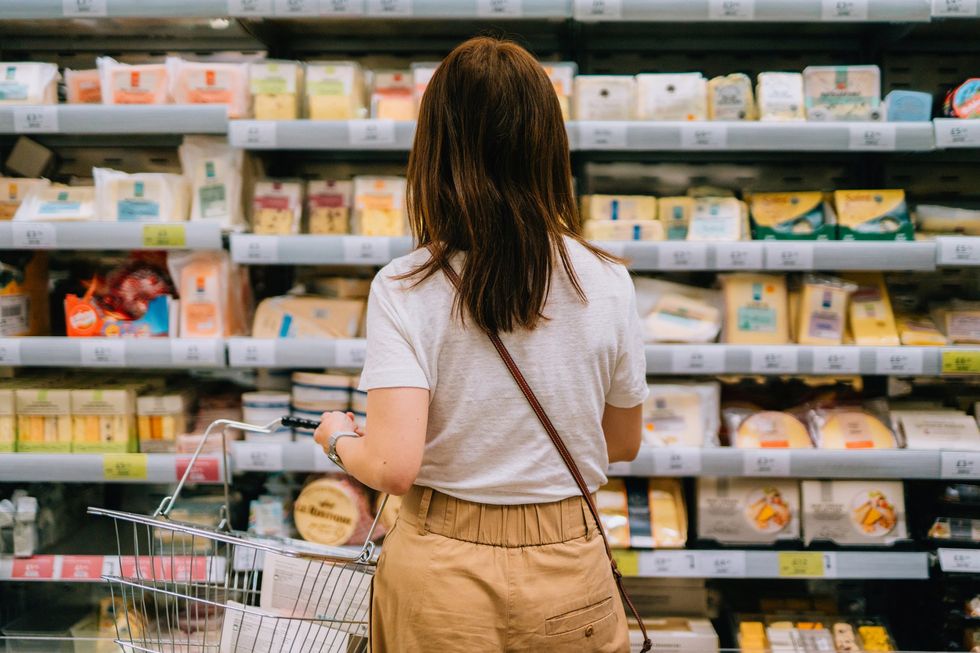
Grocery price inflation fell to its lowest level since April
|GETTY
Health-focused purchasing patterns were also evident in January as shoppers responded to seasonal wellness trends.
Cottage cheese recorded a 50 per cent increase in sales compared with last year, with 2.8 million households purchasing the product, an increase of around 600,000 households year on year.
Nearly a quarter of shoppers bought high-protein food products during the period, while 26 per cent sought out high-fibre options.
Fresh fruit and dried pulses both recorded sales growth of six per cent, while fresh fish sales rose by five per cent.
LATEST DEVELOPMENTS
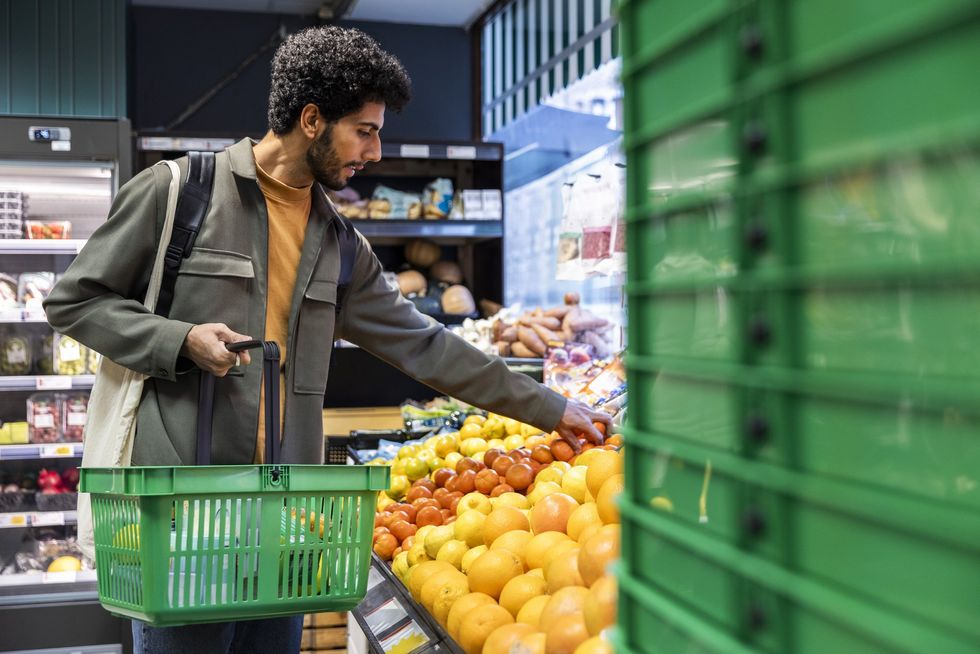
Health-focused purchasing patterns were particularly evident
|GETTY
Poultry sales increased by three per cent, and chilled yoghurt sales grew by four per cent over the same period.
Functional drinks, which are marketed with benefits such as energy, gut health or mood enhancement, were purchased by 11 per cent of households.
Mr McKevitt said: "In a month when consumers typically look to rein in spending, it is notable how many are still willing to pay a premium for wellness, with functional drinks costing nearly four times as much as typical soft drinks at £4.69 per litre."
Supermarket performance varied across retailers during the period.
Lidl recorded the strongest growth among physical retailers, with sales increasing by 10.1 per cent over the 12 weeks to January 25 compared with the same period last year.
Asda and Co-op were two of the only retailers to fail to show growth
| ASDAOnline grocer Ocado saw sales rise by 14.1 per cent, increasing its market share to 2.1 per cent.
Sainsbury’s reported sales growth of 5.3 per cent over the same period.
Tesco’s sales rose by 4.4 per cent, allowing it to retain the UK’s largest grocery market share at 28.7 per cent.
M&S grocery sales increased by 6.9 per cent, while Waitrose recorded the largest rise in average spend per trip, although its market share remained unchanged at 4.7 per cent.
Not all retailers saw growth though, with Asda’s sales falling by 3.7 per cent year on year after a difficult period.
Co-op also recorded a decline, with sales down by 1.6 per cent compared with the same period last year.
Our Standards: The GB News Editorial Charter