










British households are set to face an average annual welfare bill of more than £12,200 by 2031, according to DWP projections outlining the financial impact of recent decisions by Chancellor Rachel Reeves.
The estimates show each household’s implied contribution to welfare spending will rise sharply following the Chancellor’s decision to abandon planned reductions to disability benefits and lift the two-child benefit cap.
Departmental forecasts indicate that welfare spending allocated across the UK’s roughly 29 million households will amount to £12,266 per household within five years.
This represents an increase of almost £2,300 compared with 2023 levels, highlighting the pace at which welfare costs are rising.
TRENDING
Stories
Videos
Your Say
The calculations are based on total welfare expenditure, including payments for state pension, divided across the total number of households in Britain.
According to the DWP figures, decisions taken by the Chancellor this year alone have added £426 to each household’s share of welfare spending.
Total welfare expenditure is projected to increase by £35billion over the next five years, reaching £368billion at current prices by the end of the forecast period.
For Treasury analysts, the figures also show that household contributions are now expected to be around £600 higher than forecast before November’s Budget.
Officials said the divergence reflects the financial consequences of policy changes on disability benefits and the removal of the two-child limit.
A Government spokesman defended the approach, saying: "We are reforming the broken welfare system we inherited, making it fairer for the taxpayer while supporting more sick or disabled people to move off benefits and into work."
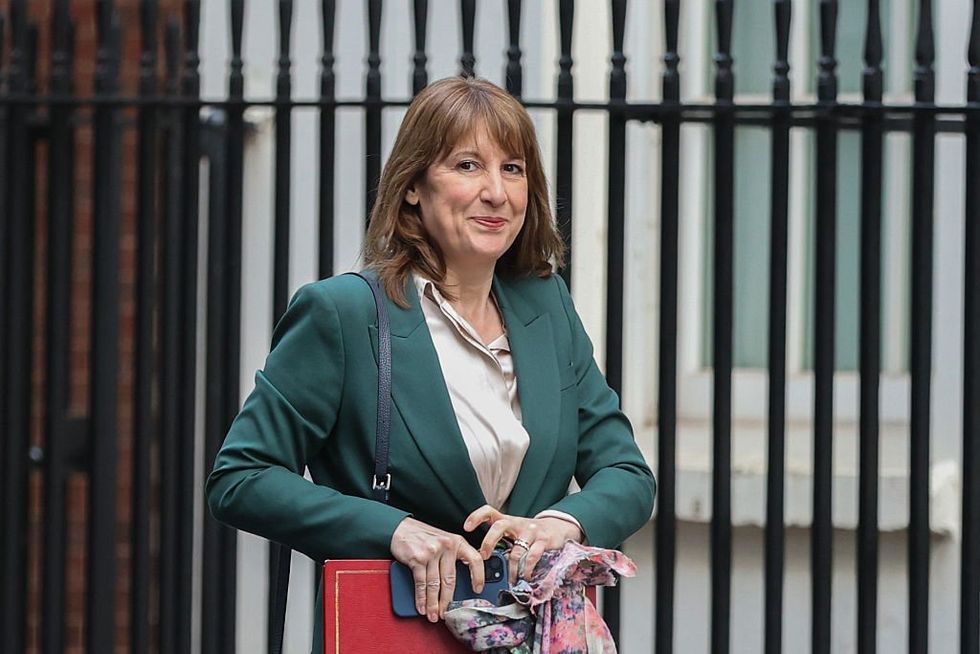
Official projections highlight rising costs after benefit policy reversals by the Chancellor
|GETTY
The Work and Pensions Secretary, Pat McFadden, has commissioned a series of reviews aimed at examining different elements of the benefits system as ministers seek to manage rising expenditure.
One of the reviews is being led by disability minister Sir Stephen Timms, who is preparing a report into possible reforms to personal independence payments.
Sir Stephen’s findings are expected to be published in the autumn, following months of analysis by officials.
The review was launched after Labour ministers dropped £5billion of planned disability benefit savings last summer following pressure from backbench MPs.
The Government spokesman said: "Our approach is about renewing the social contract, spreading opportunity, reducing poverty, and helping people build brighter futures through dignity and good work."
LATEST DEVELOPMENTS:
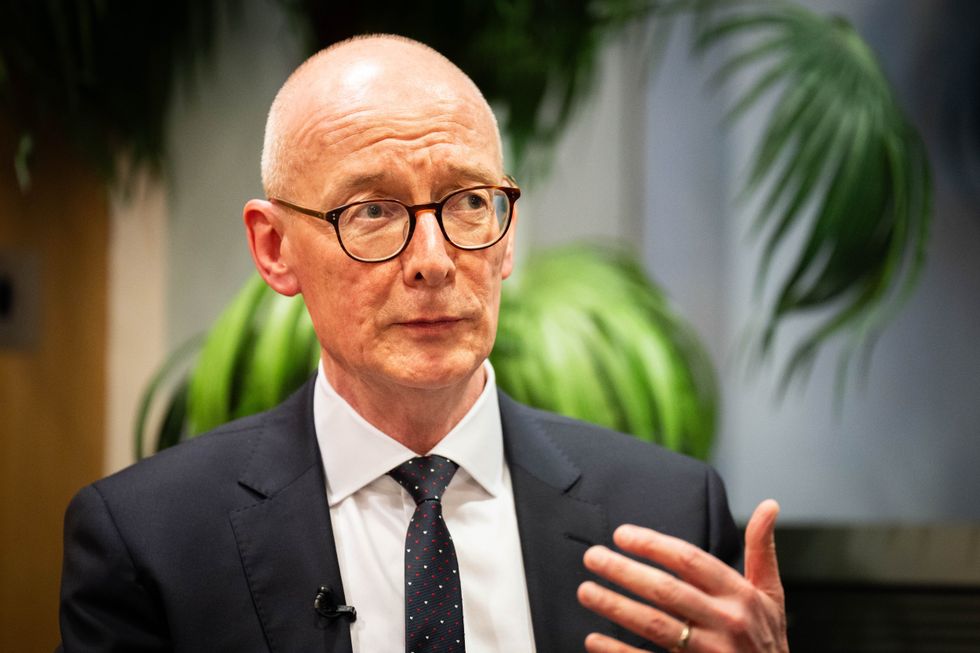
Pat McFadden has commissioned a series of reviews aimed at examining different elements of the benefits system
| PASome analysts have noted the Timms review is required to operate within existing spending forecasts produced by the Budget watchdog.
This has raised questions among critics about the scope for significant reductions in welfare spending under current constraints.
Separate DWP projections show disability benefit claims continuing to rise sharply over the rest of the decade.
The number of people receiving personal independence payments is expected to increase by around three million between the pandemic and 2030, reaching an estimated 5.4 million claimants.
This growth rate is equivalent to an average of 836 successful new claims being added each day over a ten-year period.
Ministers are also awaiting the conclusions of a separate review led by former health secretary Alan Milburn.
Mr Milburn is examining the nearly one million young people who are not in employment, education or training.
His review, which is due to report in the spring, is expected to recommend changes to how young people access welfare support.
He said: "There is a phenomenon of more and more young people with mental health issues and a growing issue around neurodivergence.
"We’ve got to understand what is going on there, why it is happening and what can be done about it."
Research by the Centre for Social Justice (CSJ) has estimated that scrapping the two-child benefit cap will cost around £3billion a year.
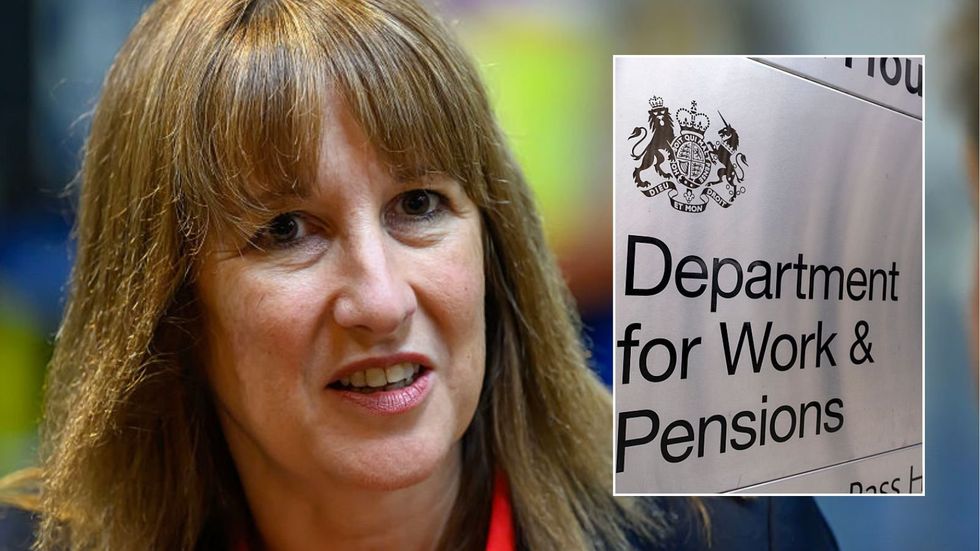
The Chancellor has confirmed plans to remove the cap
| GETTYThe Chancellor has confirmed plans to remove the cap, with the cost being met through frozen income tax thresholds.
Those threshold freezes increase tax receipts by drawing more earners into higher bands over time.
The CSJ has said ministers must address the underlying drivers of welfare dependency by reducing the number of workless households.
Its analysis found that the number of children living with jobless parents rose by 180,000 last year to reach 1.5 million.
More From GB News