










British taxpayers could face annual costs of up to £500million to keep Britain's last remaining blast furnaces operating, according to new projections from industry body UK Steel.
The warning centres on the Scunthorpe steelworks, which is now under Government ownership and faces rising costs linked to the UK’s planned Carbon Border Adjustment Mechanism.
Industry representatives have cautioned that changes to Treasury policy could leave the plant commercially unviable once existing protections against carbon charges are withdrawn.
UK Steel has urged the Chancellor Rachel Reeves to review the implementation of the scheme, warning that it risks accelerating the decline of domestic steelmaking capacity.
TRENDING
Stories
Videos
Your Say
Frank Aaskov, director at UK Steel, said current arrangements have historically shielded steelmakers from the full cost of carbon emissions through free allocations.
He said: "That means a traditional blast furnace in the UK like the one in Scunthorpe must increasingly buy almost all of its carbon allowances on the open market."
Analysis by UK Steel, based on historical emissions data, suggests carbon costs will rise sharply once the phase-out of free allowances begins.
"When the UK CBAM comes into effect, such a plant could face carbon costs of over £100million annually, rising to almost £250million in 2031, and nearly £500million by 2035."
The trade body said such cost increases would significantly raise the level of Government subsidy required to keep the nationalised Scunthorpe operation running.
British Steel was taken into state ownership in April last year after the Government intervened using emergency powers to remove Chinese owner Jingye.

UK Steel warns carbon costs could make Scunthorpe blast furnaces unviable
|GETTY
Since the takeover, taxpayer support has increased substantially, according to figures cited by the industry.
Over the first seven months of public ownership, funding totalled £274million, equivalent to more than £1million a day.
That compares with estimated daily losses of around £700,000 during the period when the company was owned by Jingye.
The rising cost of state support has prompted questions about the long-term viability of maintaining blast furnace operations at Scunthorpe as the carbon levy regime approaches.
Industry figures have also pointed to the UK’s relatively high energy prices, which they say continue to place domestic steel producers at a cost disadvantage compared with overseas rivals.
UK Steel has warned = the revised CBAM framework could intensify competitive pressures from imports.
LATEST DEVELOPMENTS
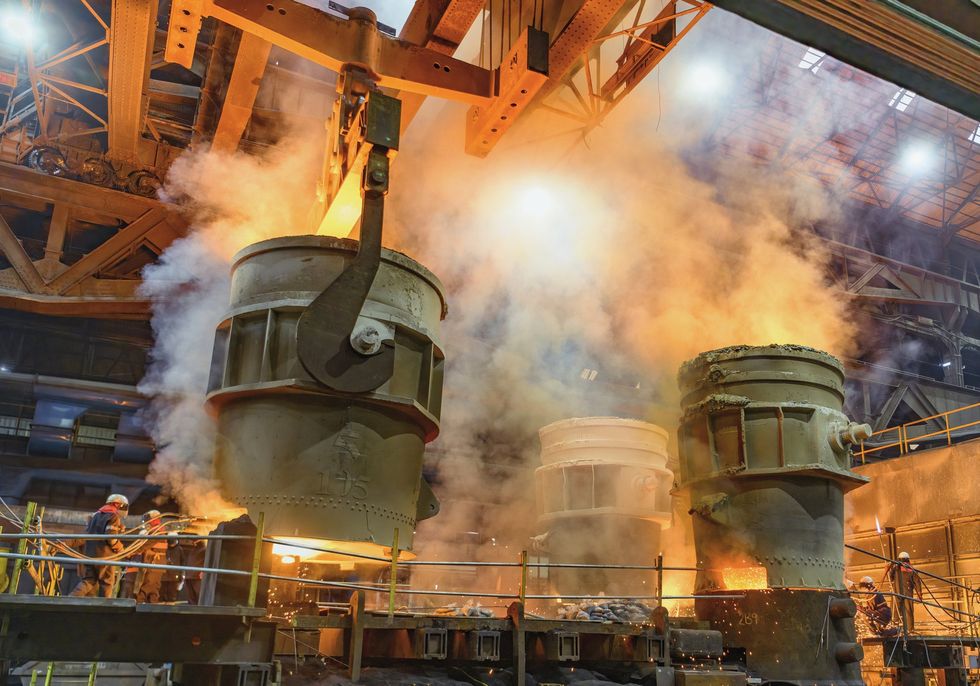
The warning centres on the Scunthorpe steelworks, which is now under Government ownership
|GETTY
Under current proposals, imported steel from countries such as China would be assessed using global average default values for carbon emissions rather than plant-specific data.
Industry representatives argue these default values are likely to be less stringent than the standards applied to UK producers operating under the emissions trading scheme.
They say this could allow imported steel to enter the UK market at lower prices, increasing competitive pressure on domestic manufacturers.
Mr Aaskov said: "High emission foreign steel will still enter the UK at a large discount, undercutting domestic producers who are paying full UK emissions trading scheme costs."
He added: "UK producers will pay the full carbon bill. Many importers will likely not. That’s the gap we urgently need Government to fix."
Concerns have also been raised by senior figures within the steel sector about the broader effectiveness of green taxation policies.
Sir Andrew Cook said the impact of such measures on global emissions would be limited given the scale of production in other countries.
"The only benefit of these green taxes is to give a warm feeling to a small section of the British public that something is being done to avert the threat of climate change."
Sir Andrew said eliminating UK emissions alone would have little effect on global output, noting China remains the world’s largest steel producer using high-carbon methods.
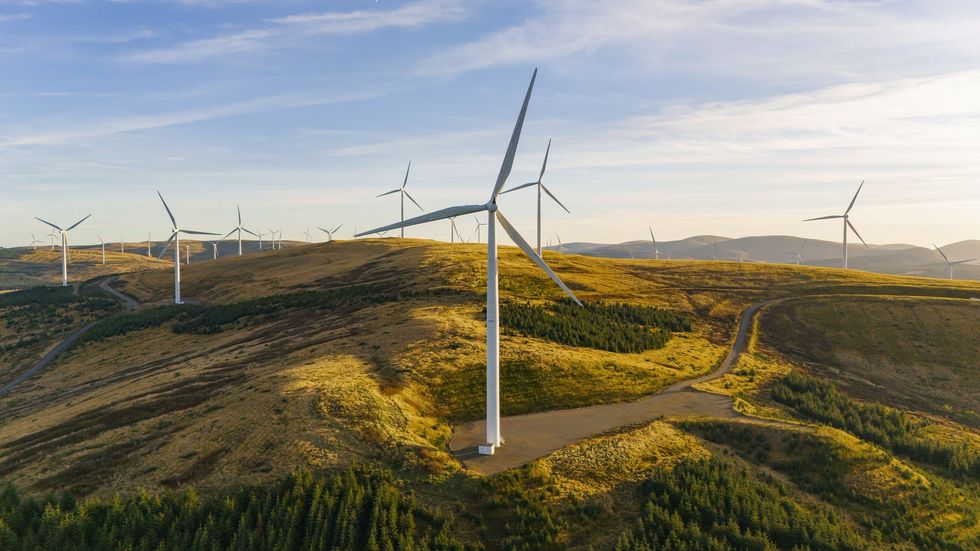
The Net Zero Teesside gas power station, which is funded by taxpayers, is set to use 7,000 tons of Chinese steel worth £5million
|GETTY
He argued restricting access to the UK market for Chinese steel would address both environmental and industrial concerns.
The debate has intensified amid scrutiny of procurement decisions on major infrastructure projects.
The Net Zero Teesside gas power station, which is funded by taxpayers, is set to use 7,000 tons of Chinese steel worth £5million.
British Steel submitted a bid for the contract but was unsuccessful, according to industry sources.
UK Steel said the situation illustrates the challenges facing domestic producers as new carbon costs are introduced alongside continued competition from overseas imports.
Our Standards: The GB News Editorial Charter
More From GB News