










Weight loss has long revolved around heavy workouts and dietary restriction. But scientists are now exploring how tweaking the nutritional profile of a diet, as opposed to eating less, can offer the same results.
In a recent development, researchers at the University of Southern Denmark have discovered that mice fed a diet low in two specific amino acids – methionine and cysteine – experienced a remarkable 20 per cent boost in their heat-generating calorie burn.
Interestingly, the mice didn't eat any less food, and they weren't running on tiny treadmills more than usual.
They produced more heat naturally, shedding weight in the process - an effect nearly as powerful as keeping the animals in near-freezing temperatures around the clock.
TRENDING
Stories
Videos
Your Say
The extra calorie burning happened in the fat tissue found just beneath the skin
|GETTY
The extra calorie burning happened in beige fat; a type of fat tissue found just beneath the skin in both mice and humans. It's the same fat that kicks into action when you're exposed to cold.
"The mice that burned the most energy ate the same amount of food as the others, and they didn't move more or less. We saw a 20 per cent increase in their thermogenesis.
"They lost more weight, and it was not because they ate less or exercised more; they simply generated more heat," explained Jan-Wilhelm Kornfeld, a professor at the university.
"This tells us that beige fat doesn't care whether the burning is triggered by cold or by diet," said Philip Ruppert, who worked on the study and is now at Cornell University.
Where are the amino acids found?
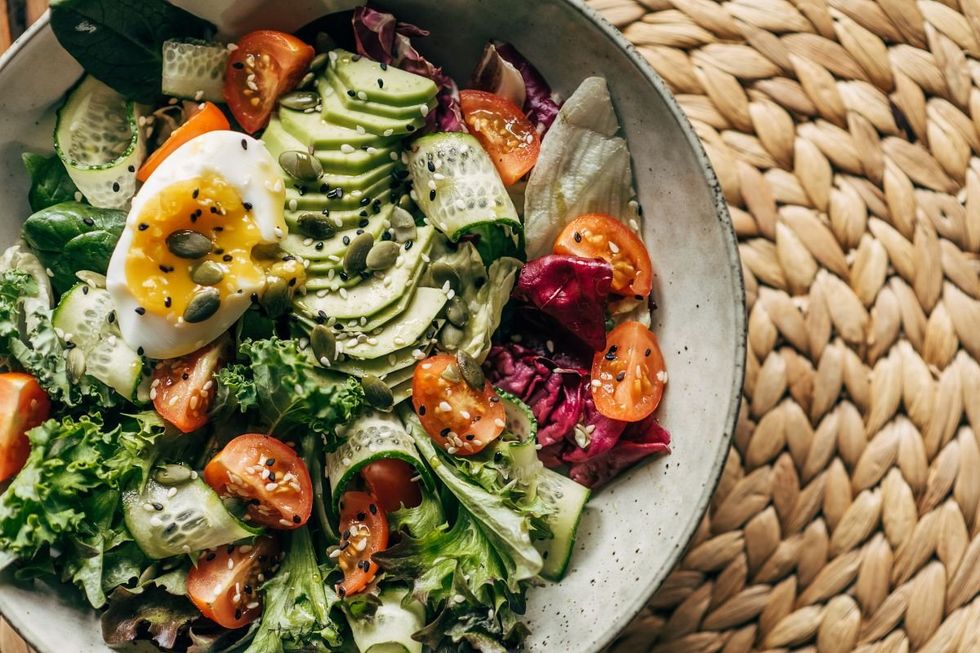
Methionine and cysteine are packed into animal-based proteins such as meat, eggs, and dairy products.
Plant foods tell a different story, as vegetables, nuts, and legumes contain much lower amounts of these compounds, and these foods are linked to healthy ageing.
LATEST DEVELOPMENTS
This means vegetarians and vegans naturally take in less methionine and cysteine than people who regularly tuck into meat.
The researchers haven't yet tested this restricted diet in humans, only mice, so they can't say for certain the same effect would happen in people, but it's a strong possibility.
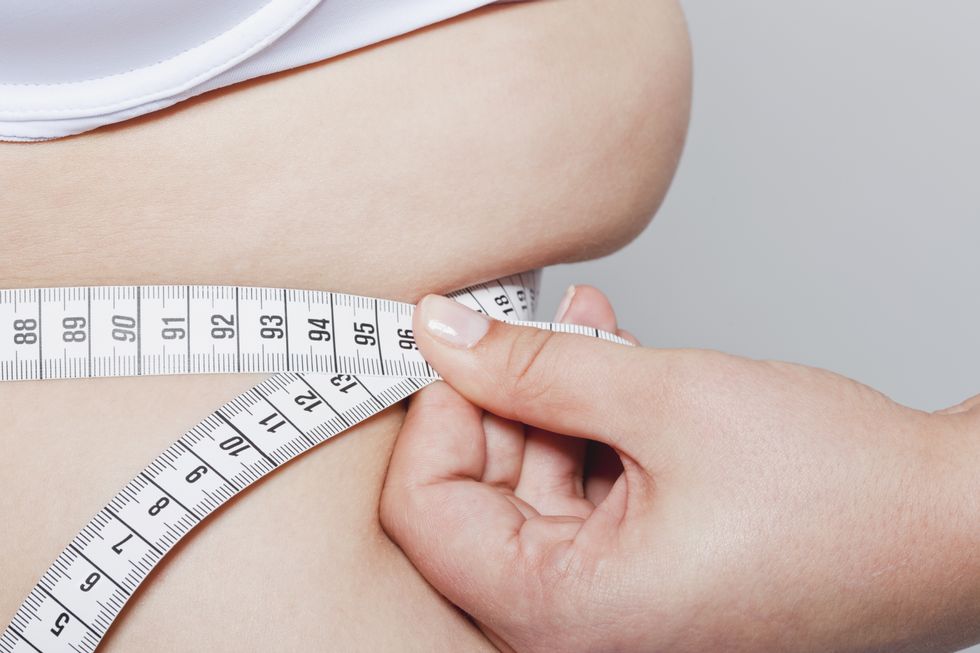
The findings could open doors to new obesity treatments that boost energy expenditure
| GETTYThe team believes this discovery could open doors to new obesity treatments that boost energy expenditure without demanding major lifestyle overhauls from patients.
They're also keen to develop functional foods that are naturally low in methionine and cysteine.
"It would also be interesting to study whether Wegovy patients experience additional weight loss if they switch to a diet without the amino acids methionine and cysteine – in other words, a diet free of animal proteins," says Kornfeld.
"We know from other studies that vegetarians and vegans are, in several respects, healthier than meat-eaters," adds Ruppert.
Our Standards: The GB News Editorial Charter