










The old saying about breakfast being the most important meal might be especially true for those looking to shed a few pounds, a new study has revealed.
Published in the British Journal of Nutrition, the latest findings show that people who are overweight or obese who consume nearly half their daily calories at breakfast and just a fifth in the evening managed to lose weight.
This suggests that when you eat may matter just as much as what you eat for maintaining your weight, adding to growing evidence that eating later in the day is linked to weight gain.
The trial recruited 19 volunteers, mostly men, with an average age of around 57 and BMIs ranging from overweight to severely obese.
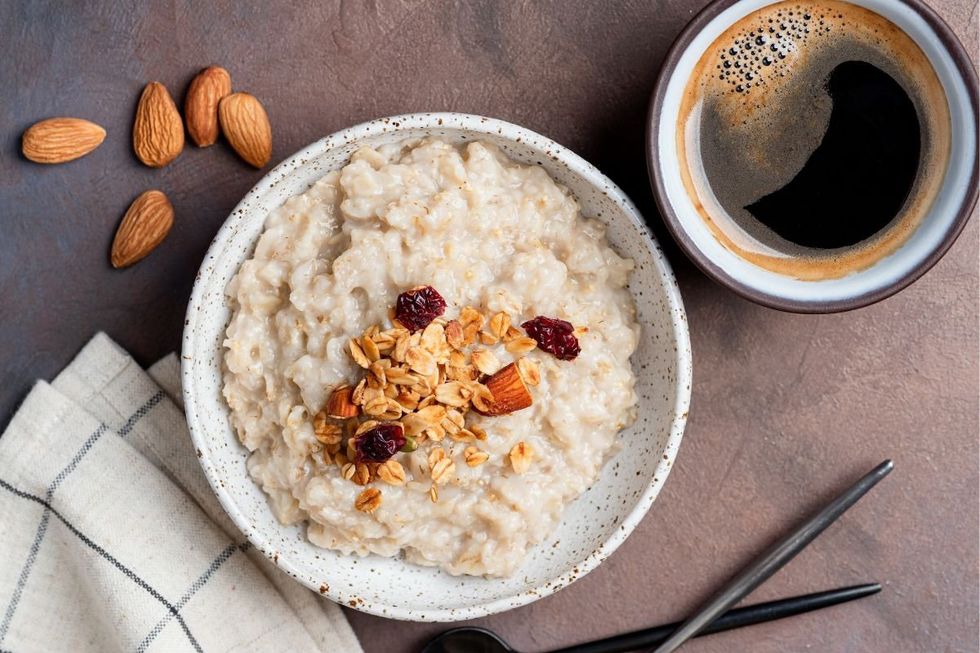
A fibre-rich breakfast will boost gut microbiome diversity
|GETTY
Researchers measured each person's resting energy needs and then created personalised eating plans based on those figures.
Participants were randomly assigned to follow one of two big breakfast approaches for 28 days: either a high-protein plan with 30 per cent protein and minimal fibre, or a high-fibre option with at least 30 grams of fibre daily.
Both diets allocated 45 per cent of calories to breakfast and just 20 per cent to the evening meal, with lunch making up the remaining 35 per cent.
After completing one plan, participants switched to the other for another 28 days, and both groups lost weight during the study period.
Those following the high-fibre approach lost slightly more weight, dropping 4.87 kilograms compared to 3.87 kilograms on the high-protein plan. Both diets also brought down blood pressure and blood lipid levels.
The fibre-rich breakfast boosted gut microbiome diversity and increased bacteria that produce butyrate, which is optimal for intestinal health.
The high-protein diet had the opposite effect on gut bacteria, reducing diversity, but it did a better job of keeping hunger at bay.
LATEST DEVELOPMENTS
Alex Johnstone, the study's principal investigator from the University of Aberdeen's Rowett Institute, explained: "Not one diet fits all people. A diet with high protein was good for appetite control, and high fibre was good for gut health."
Thomas M. Holland, a physician-scientist at RUSH University who wasn't involved in the research, explained why eating earlier might help with weight control.

A protein-rich breakfast is best for keeping hunger at bay
| GETTY"Energy metabolism follows circadian rhythms, meaning insulin sensitivity, glucose handling, and diet-induced thermogenesis are generally higher earlier in the day," he told Medical News Today.
He noted that consuming calories in the morning means the body is more likely to use them for energy rather than storing them as fat.
For those wanting the best of both worlds, Holland suggested combining protein and fibre at breakfast.
"Greek yoghurt, eggs, or cottage cheese paired with oats, lentils, chia seeds, or berries provides both high-quality protein and fermentable fibres," he recommended, adding that this approach could support both appetite control and gut health at the same time.
Our Standards: The GB News Editorial Charter