







Motorists are being warned of new rules introduced this month that could see them save when filling up, or blocked from driving in certain areas.
Many changes have been introduced in February in a bid to help cut petrol and diesel prices, improve air quality and crack down on dangerous drivers.
GB News has rounded up the most important driving law changes introduced over the last month that you may have missed.
TRENDING
Stories
Videos
Your Say
Fuel Finder
Petrol and diesel drivers have been backed with new measures to help slash fuel prices across the UK by boosting competition.
Forecourts across the UK are now required to report prices and the unavailability of fuel within 30 minutes of a change, allowing motorists to see the cheapest fuel in their local areas.
The service is currently provided to motorists through a large spreadsheet, although work is being done to provide the data through apps or other map-based software.
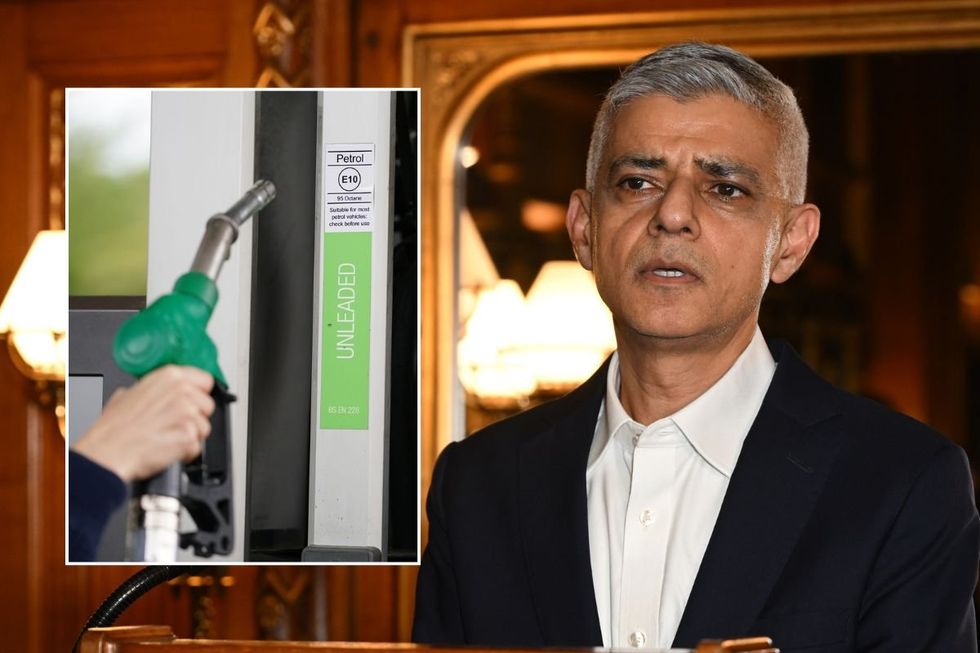
In February, new fuel rules were rolled out, while Sadiq Khan approved the pedestrianisation of Oxford Street
|GETTY/PA
Initial teething problems were identified as the data showed some forecourts selling petrol or diesel for a fraction of a penny, while others claimed to sell fuel for £15 per litre.
Many of these issues have since been rectified, although some still remain. Forecourts have also failed to provide additional information, including opening times.
The latest data from Fuel Finder shows that forecourts in Liverpool, Ballynahinch, Bootle, and Leeds are all selling E10 petrol for less than £1.20 a litre.
Fuel Finder is based on the success of the Consumer Council's Fuel Price Checker in Northern Ireland, which helps drivers save between six and nine pence per litre compared to the rest of the UK.
LATEST DEVELOPMENTS
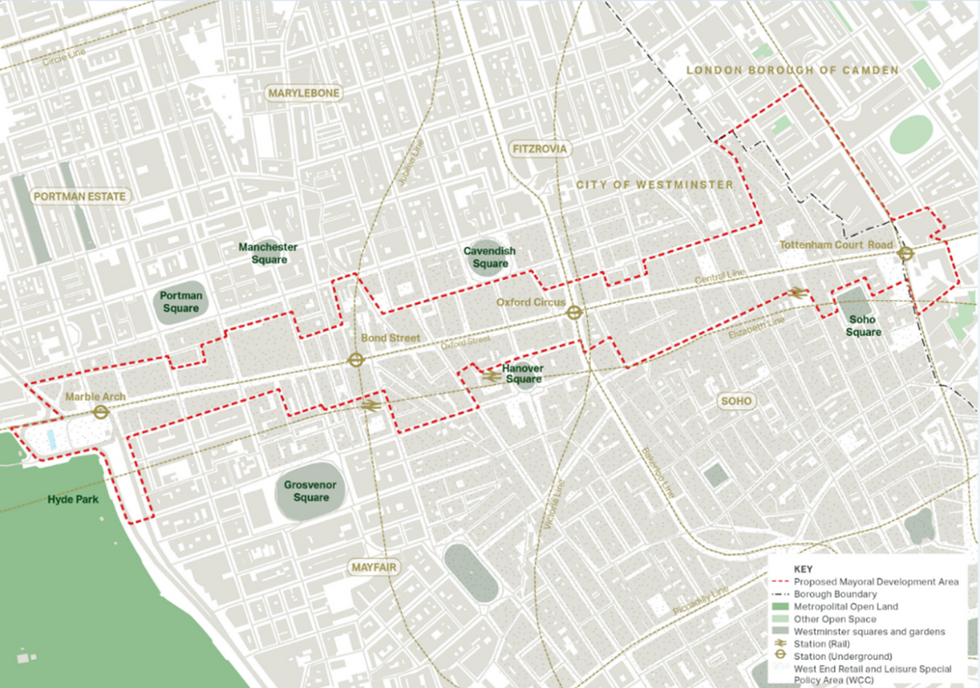 Map of the proposed pedestrianised route along Oxford Street | TFL
Oxford Street
Sir Sadiq Khan has confirmed that the pedestrianisation of Europe's busiest shopping street will take place this year and into 2027.
Oxford Street will be closed to private motorised vehicles, buses, taxis and private hire vehicles, cycles, scooters and pedicabs.
The proposals follow a consultation that found thousands of Londoners supported the new measures to pedestrianise the road between Great Portland Street and Orchard Street.
Commenting on the decision, Sir Sadiq Khan said: "I am delighted to be moving forward with my bold vision to transform Oxford Street into a world-leading urban space for shopping, leisure and outdoor events.
"Following TfL's detailed consultation, I've today made the decision to move ahead with these exciting changes to the nation’s high street."
He stated that Transport for London and the Greater London Authority would provide further details on the project in the coming days.
The plans were also praised by Alex Williams, chief customer and strategy officer at TfL, who said it was "great to hear" that the plans had been confirmed.
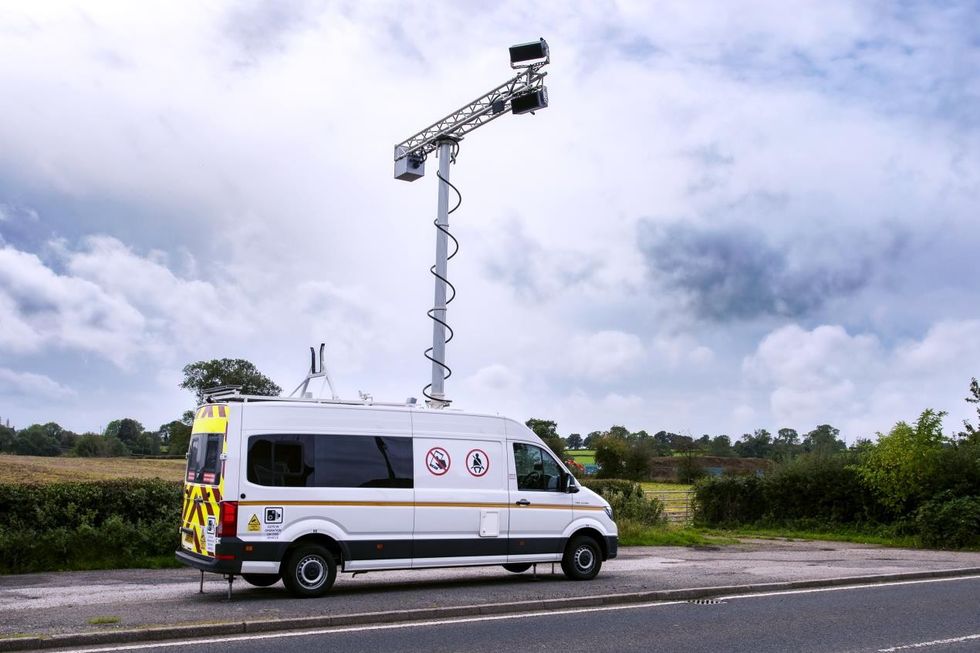 AI speed cameras have become more common around the UK in recent years | TRANSPORT FOR GREATER MANCHESTER
AI speed cameras
New traffic cameras powered by artificial intelligence have been installed on Gdynia Way near the Cattedown Roundabout in Plymouth in a bid to crack down on dangerous motorists.
The AI cameras are able to capture front-facing and overhead images to see inside vehicles and monitor whether drivers are committing mobile phone and seatbelt offences.
Any offences captured by the cameras are detected by AI, with all images being reviewed by a human, before a driver is sent a notice of intended prosecution if they have breached road rules.