









While shedding pounds may be synonymous with abstinence, it does not necessarily require eating less food, according to nutrition experts.
Registered Dietitian Kirsten Swantee from JM Nutrition has revealed that weight loss fundamentally depends on consuming fewer calories than the body expends, yet the volume of food consumed can actually increase.
"Yes, it is possible to eat more food and still lose weight," Swantee told GB News, noting that the key lies in understanding that different foods contain vastly different calorie densities for equivalent portions.
"About 300 calories from cookies might be just five or six cookies, whereas 300 calories from vegetables would be a very large portion—more than ten cups of broccoli!"
TRENDING
Stories
Videos
Your Say
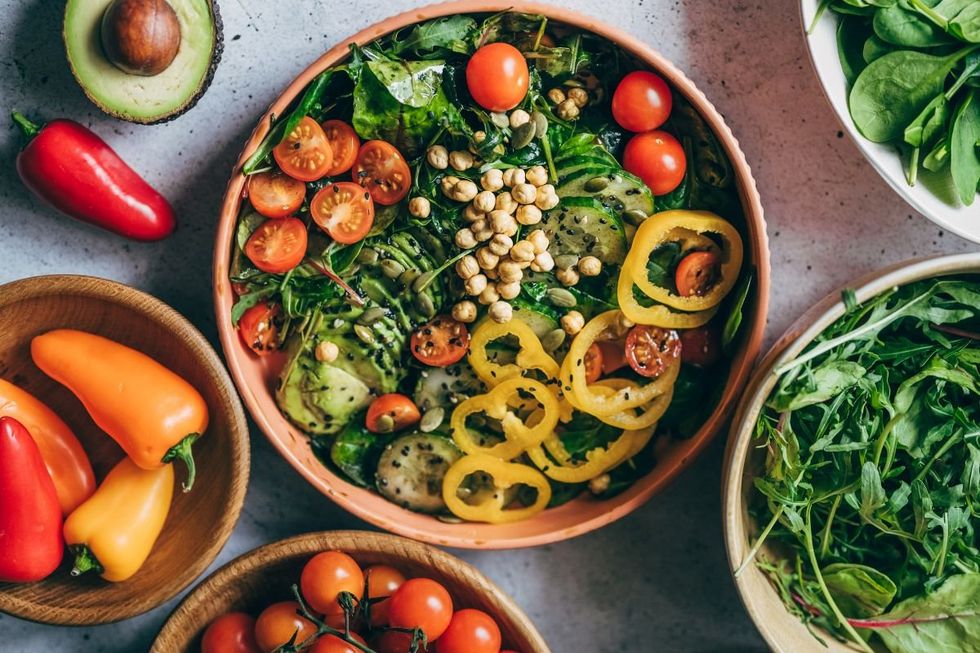
Vegetables offer substantial fibre that decelerates digestion
|GETTY
By selecting foods with lower calorie density but greater volume, individuals can consume larger portions while still achieving a calorie deficit.
Vegetables stand out as particularly effective for those who want to eat generously while maintaining a calorie deficit.
Swantee highlighted numerous options, including cucumber, celery, lettuce, courgette, radishes, spinach, cauliflower, broccoli, cabbage, asparagus, and peppers, as naturally low in calories relative to their size.
Beyond their modest calorie content, these vegetables offer substantial fibre, which decelerates digestion and sustains feelings of fullness long after meals conclude.
For those with a sweet tooth, fruit provides an excellent alternative. Berries such as strawberries and raspberries, along with melons including watermelon, cantaloupe, and honeydew, deliver natural sweetness combined with water and fibre, promoting satiety without excessive caloric intake.
Lean protein sources, while containing more calories than fruits and vegetables, play a crucial role in managing appetite and supporting weight loss efforts.
LATEST DEVELOPMENTS
"Lean protein sources help control hunger and may reduce overall calorie intake throughout the day," Swantee noted.
The dietitian recommended white fish, chicken breast, turkey mince, prawns, and egg whites as optimal choices for those seeking to feel satisfied without consuming excessive calories.
Protein also serves an essential function in preserving muscle mass during weight loss, helping maintain metabolic rate.
By constructing meals around vegetables, fruits, and lean protein, individuals can enjoy substantial portions while remaining in a calorie deficit, which allows for greater satisfaction at mealtimes without compromising weight loss objectives.
Despite adopting healthier eating habits, many individuals find their weight loss stalling due to several common pitfalls.
Calorie-dense foods such as nuts, peanut butter, avocado, and olive oil, while nutritious, can quickly accumulate excessive calories when consumed liberally.
"Even healthy foods can add up to too many calories," Swantee cautioned.
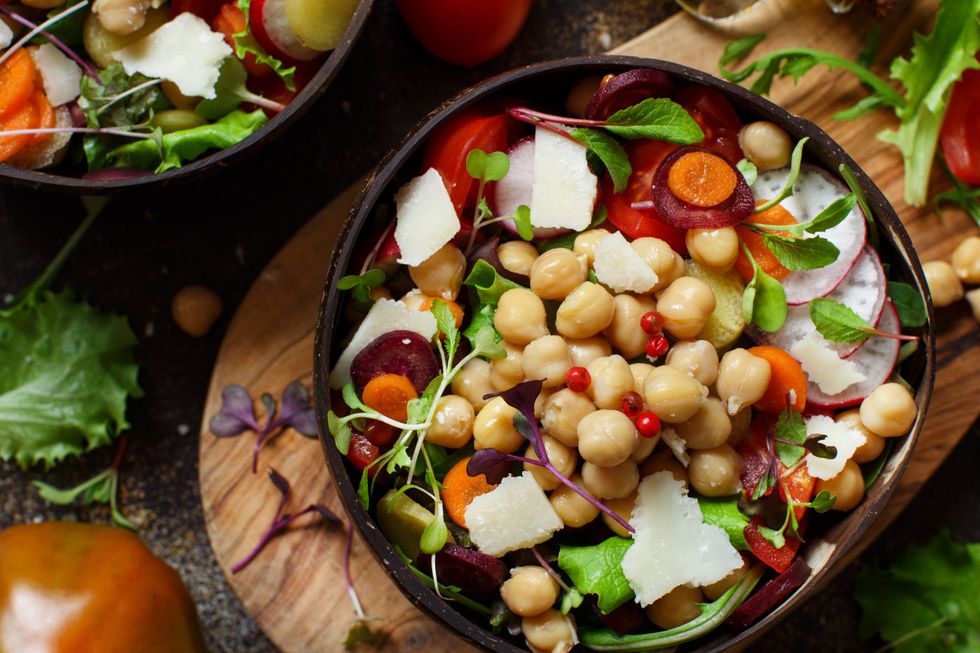
'Even healthy foods can add up to too many calories'
|GETTY
Portion control presents another frequent stumbling block, with people routinely underestimating their intake.
Weekend behaviour often undermines weekday discipline, as restaurant meals, alcohol, and additional snacks offset earlier efforts.
Insufficient protein consumption poses particular problems, as the body may break down muscle tissue, subsequently slowing metabolism.
Perhaps counterintuitively, skipping meals frequently backfires.
"Some try to eat very little during the day, only to feel starving by nighttime," Swantee observed, noting this pattern typically results in evening overeating
Our Standards: The GB News Editorial Charter