










While collagen supplements may give your skin a boost, don't expect them to banish your wrinkles, scientists have warned.
The alert follows a major new scientific review from Anglia Ruskin University, which has examined the evidence from 113 trials involving close to 8,000 people.
Findings showed that taking collagen pills or powder daily can genuinely improve skin elasticity and moisture levels over time. The researchers are keen to point out, however, that these supplements aren't a miracle cure.
The experts say they're highly confident that consistent use delivers "some legitimate" benefits for your skin, though it's definitely not a quick fix.
TRENDING
Stories
Videos
Your Say
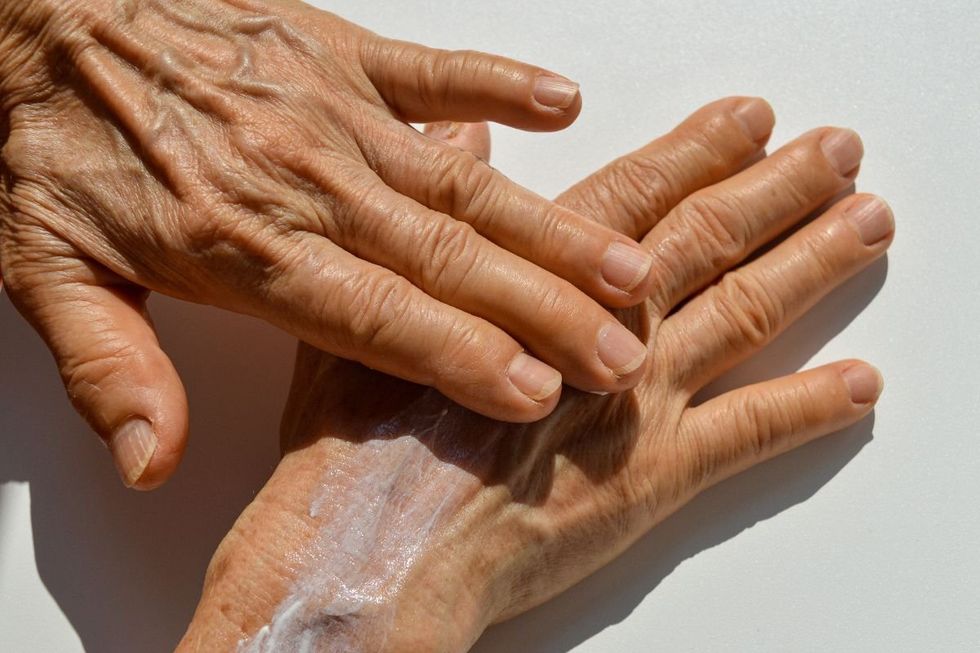
Collagen is a protein your body produces naturally
|GETTY
What is collagen?
Collagen is a protein your body produces naturally, and it's essential for keeping skin, nails, bones and connective tissues strong and healthy.
From early adulthood onwards, however, your body starts making less of it while breaking down existing collagen a bit faster. Smoking and sun exposure speed up this process even more.
Women face an additional challenge around menopause, losing roughly a third of their skin's collagen during this time.
But the review suggests that supplements may also help ease joint pain and stiffness linked to arthritis.
Prof Lee Smith, one of the lead investigators, said: "Collagen is not a cure-all, but it does have credible benefits when used consistently over time, particularly for skin and osteoarthritis."
The researchers are upfront about some important caveats, though, stressing that many previous collagen studies have been funded by the supplement industry itself.
This particular review had no industry funding behind it, however.
LATEST DEVELOPMENTS
One thing the analysis couldn't determine was whether certain types of collagen – marine, bovine or vegan – work better than others.
The team suggests collagen is probably best thought of as a tool for holistic maintenance of ageing and sun-damaged skin, rather than a wrinkle-busting treatment.
Prof Smith added: "If we define anti-ageing as a product or technique designed to prevent the appearance of getting older, then I believe our findings do support this claim for some parameters.
"For example, an improvement in skin tone and moisture is associated with a more youthful-looking appearance."
Nutrition scientist at the British Nutrition Foundation, Bridget Benelam, points out that what you eat matters too.
"Vitamin C helps with collagen formation, and so ensuring you get enough from foods such as citrus fruits, berries, green vegetables, peppers and tomatoes may help," she said.
Zinc is another key nutrient, found in meat, poultry, cheese, shellfish, nuts, seeds and wholegrains.
The body can produce its own collagen from amino acids in protein sources
|GETTY
For those following a plant-based diet, the body can produce its own collagen from amino acids in protein sources like beans and lentils, and vegan supplements are available.
Dr Tamara Griffiths, president of the British Association of Dermatologists, welcomed the research but called for more work.
"Further data with targeted, robust dermatological studies are required to build on the promise raised by this systematic review," she said.
Our Standards: The GB News Editorial Charter