







The skin barrier is the only thing that stands between the body and the outside world, making it far more than just a passive outer layer.
Dermatologist Dr Dilpreet Hoonjan explains that when something works for you around the clock, repairing it should be an essential step in every skin care regimen.
She explains that the stratum corneum, as it's technically known, is "an incredibly intelligent shield" that performs three crucial roles every single day.
"Firstly, it prevents water loss," Dr Hoonjan told GB News. "Our skin naturally loses water throughout the day; this is something called transepidermal water loss."
When the protective layer functions properly, skin stays hydrated and looks supple.
TRENDING
Stories
Videos
Your Say
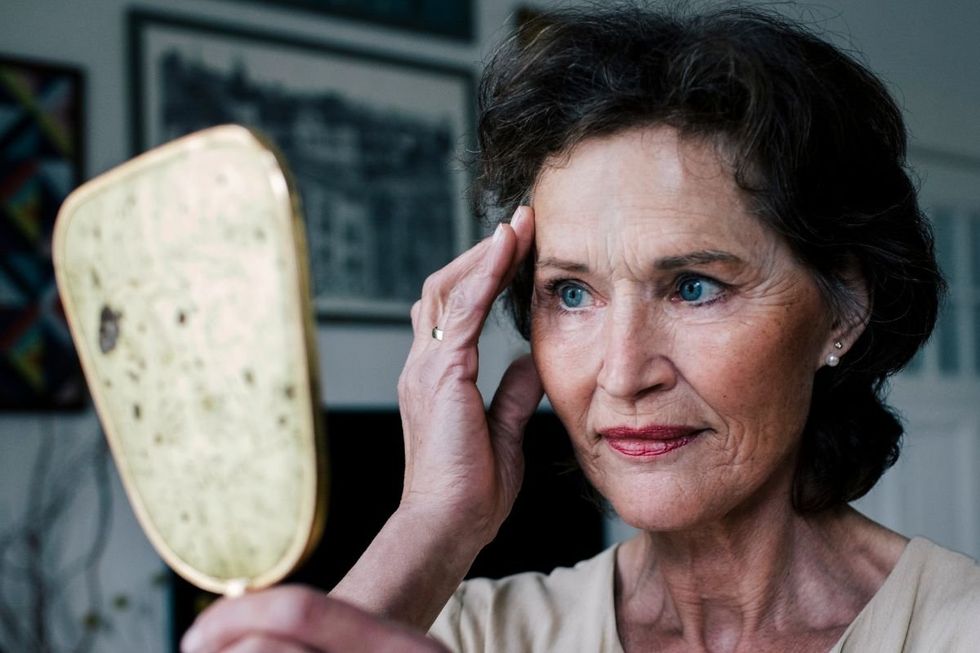
The skin barrier protects from pollution and bacteria
|GETTT
The barrier also shields the body from pollution, bacteria, allergens and harsh weather conditions, stopping these irritants from penetrating too deeply.
In addition to all this, it supports the skin's microbiome, that delicate ecosystem keeping inflammation in check.
Dr Hoonjan likens a weak skin barrier to one that is "leaky", meaning it simply can't hold onto moisture or keep irritants at bay anymore.
"The first thing most people notice is increased water loss. Their skin feels dry, tight, flaky or rough, even if they're using products," she explained.
"Products that were previously well tolerated may suddenly sting or burn," Dr Hoonjan said. "That's because the protective layer isn't doing its job properly anymore."
Redness, irritation and flare-ups become more common, and some people even experience more breakouts as their skin overproduces oil trying to compensate for the dryness.
Recovery from even minor irritation may also take longer, affecting the skin's overall resilience.
LATEST DEVELOPMENTS
What damages our skin barriers?
Dr Hoonjan sees several culprits regularly in her practice. Over-exfoliating tops the list – using acids, scrubs or retinoids too frequently strips away those protective lipids.
"Cleansing multiple times a day, especially with harsh ingredients, disrupts the skin's natural oils," she noted.
There's also a tendency now to pile on too many active ingredients at once – vitamin C, retinoids, AHAs and BHAs can overwhelm skin when used excessively.
Even hot showers are surprisingly problematic because they increase water loss from the skin.
Lifestyle factors, such as chronic stress and poor sleep, are also worth keeping an eye on, because they raise cortisol levels, which impair barrier repair and trigger inflammation.
What causes premature ageing?
When it comes to preventing premature ageing, a robust skin barrier is your best friend.
"When we talk about premature ageing, we often focus on wrinkles, but really, it's about cumulative inflammation and water loss over time," Dr Hoonjan explained.
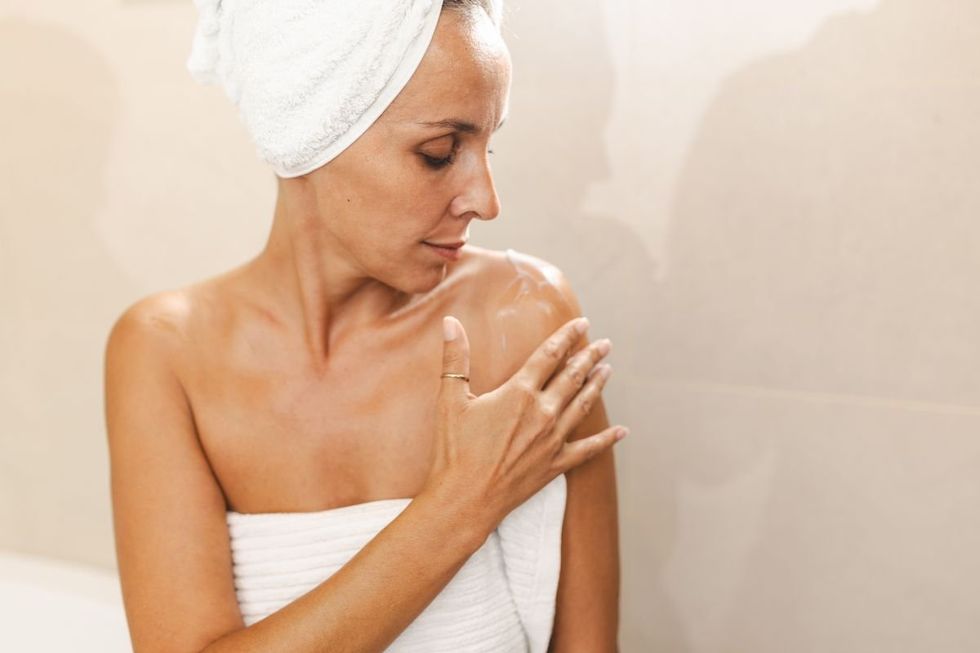
A healthy barrier helps protect collagen from breaking down
|GETTY
A healthy barrier helps protect collagen from breaking down, since chronic inflammation speeds up this process.
Properly hydrated skin also appears plumper and smoother, naturally softening those fine lines we all worry about.
"Balanced lipid levels improve elasticity, helping the skin retain its suppleness," Dr Hoonjan added.
Perhaps most importantly, when your barrier is in good shape, it can handle anti-ageing products much better.
"That means you can use beneficial anti-ageing ingredients long-term without constant irritation, which ultimately gives you better results," Dr Hoonjan said.
Our Standards: The GB News Editorial Charter