







Experts have called for new measures to crack down on dangerous drivers, including regular eye checks for elderly motorists to ensure all road users are kept safe.
The fresh calls for new interventions come following the Government's introduction of the Road Safety Strategy, which is the first significant overhaul in more than a decade.
Labour set out ambitious plans to slash the number of deaths and serious injuries on Britain's roads by 65 per cent by 2035, with a stretch target of 70 per cent for children under 16.
Five consultations have launched the hear feedback about proposals set out to improve road safety and crack down on dangerous drivers.
TRENDING
Stories
Videos
Your Say
These include toughening motoring offences, introducing a minimum learning period for learner drivers, introducing mandatory eye tests for older people, improving motorcycle training and mandating new vehicle safety technologies.
One of the most controversial proposals was for elderly drivers to face mandatory eye tests at regular intervals to ensure they are fit to remain behind the wheel.
Elderly motorists need to renew their driving licence every three years, compared to every 10 years for younger age groups.
There are currently no mechanisms in place that prevent an elderly person from driving, unless they have their licence revoked, with motorists expected to self-report.
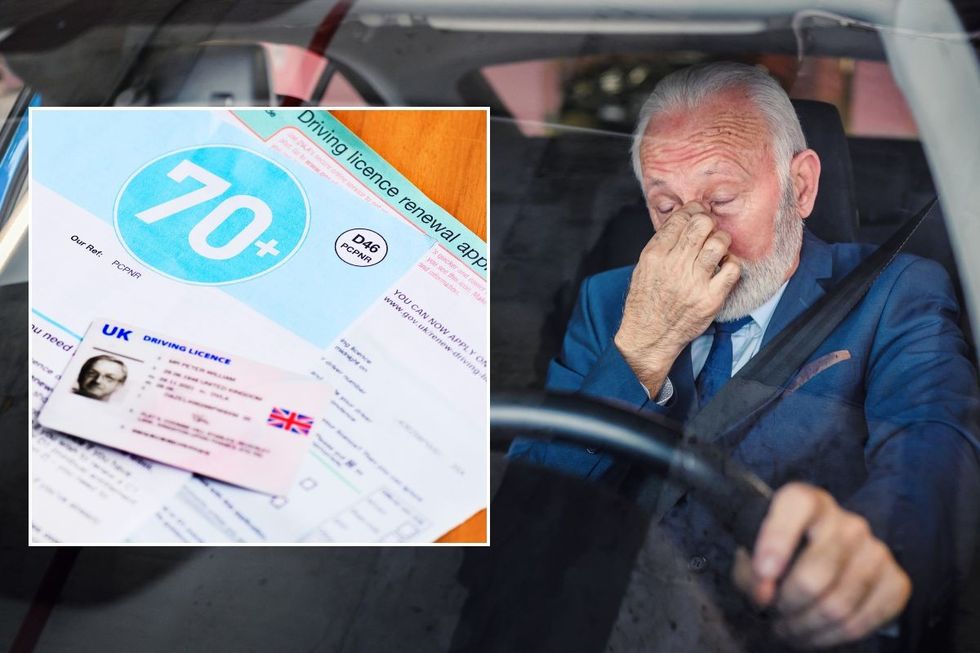
Elderly drivers could soon face mandatory eyesight tests to keep their licences
| GETTYJames Luckhurst, head of road safety at GEM, stated that "progress has stalled" across the country in relation to improving safety on roads.
He said: "In the months ahead, GEM will champion regular eyesight testing and appropriate medical self‑reporting, through resources for older drivers, families and health professionals.
"We are looking forward to bringing practitioners and policymakers together in our capacity as headline sponsor of a mature road user conference in Birmingham this April, to share best practice on safer driving for longer."
Data from the Department for Transport shows that 1,224 older drivers were killed or seriously injured, a concerning seven per cent increase compared to 10 years prior.
LATEST DEVELOPMENTS
Mr Luckhurst highlighted that regular, professional eye tests for drivers of all ages would help the Government achieve its 2035 target to cut the number of deaths and serious injuries on roads.
However, he highlighted that any new approach to improving road safety must "avoid increasing social isolation or reducing mobility in later life".
The UK's approach to self-certification of medical issues has been criticised by experts in recent years, especially as accidents become more common.
The senior coroner for Lancashire, Dr James Adeley, described the UK's system as among the "laxest in Europe" and "ineffective".
 Adults are recommended to get an eye test every two years | GETTY
It followed his report into the deaths of four people who were killed by motorists with failing eyesight, with the drivers all deemed to have vision that fell below minimum standards.
Motorists must be able to read a number plate from 20 metres away, and have a visual acuity of at least decimal 0.5 (6/12) measured on the Snellen scale.
Commenting on the new Road Safety Strategy, Transport Secretary Heidi Alexander said: "Every life lost on our roads is a tragedy that devastates families and communities. For too long, progress on road safety has stalled. This strategy marks a turning point.
"We are taking decisive action to make our roads safer for everyone, from new drivers taking their first lessons to older motorists wanting to maintain their independence."